Battery Storage Enables India’s 47% Emissions Cut — SkimNews

Get the Energy newsletter
Daily energy & climate — solar, EVs, oil, the policy fights and tech bets shaping the transition. Free.
- India updated its carbon emissions targets, aiming for a 47% reduction in emissions intensity by 2035, 60% non‑fossil electricity capacity by 2035, and net‑zero by 2070.
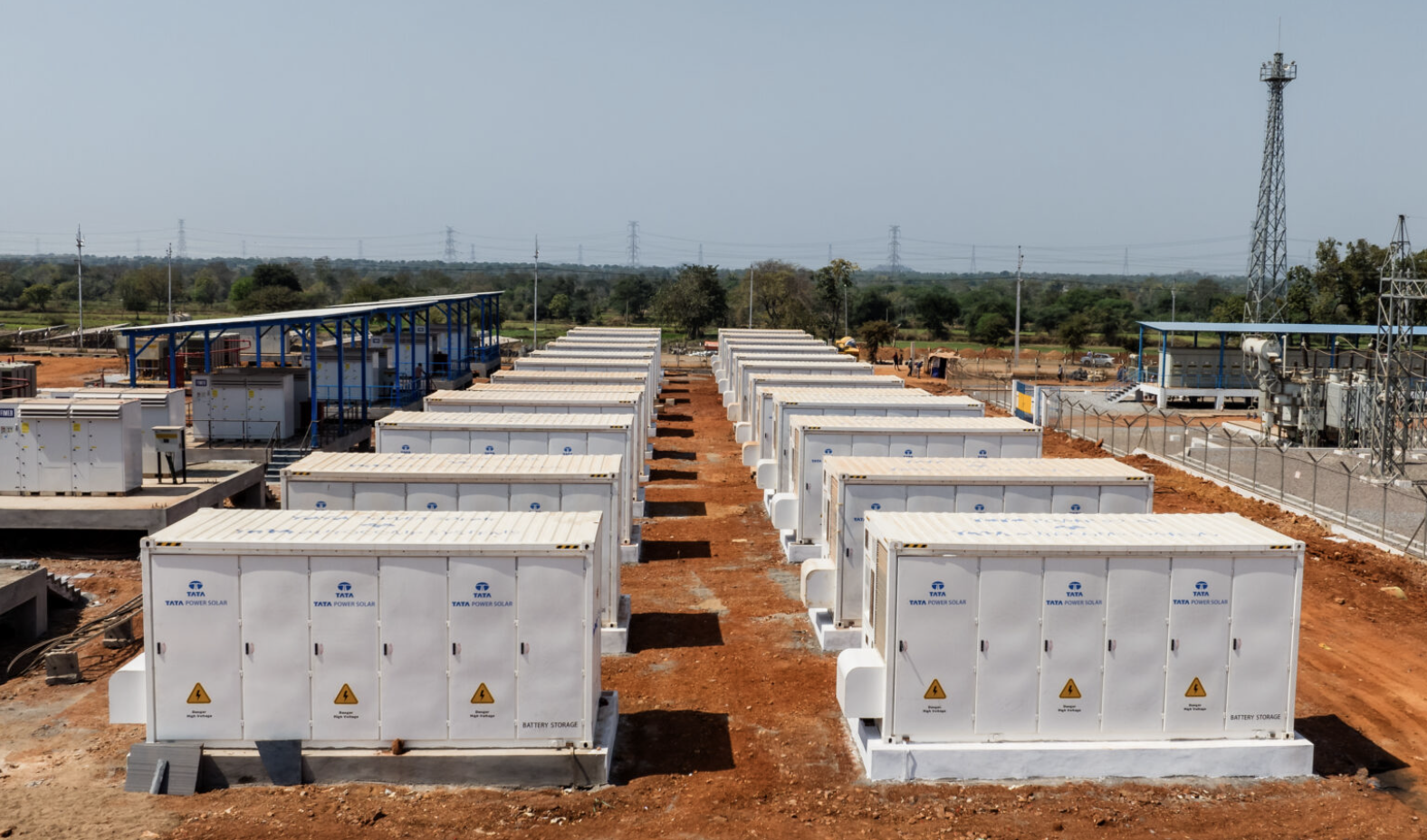
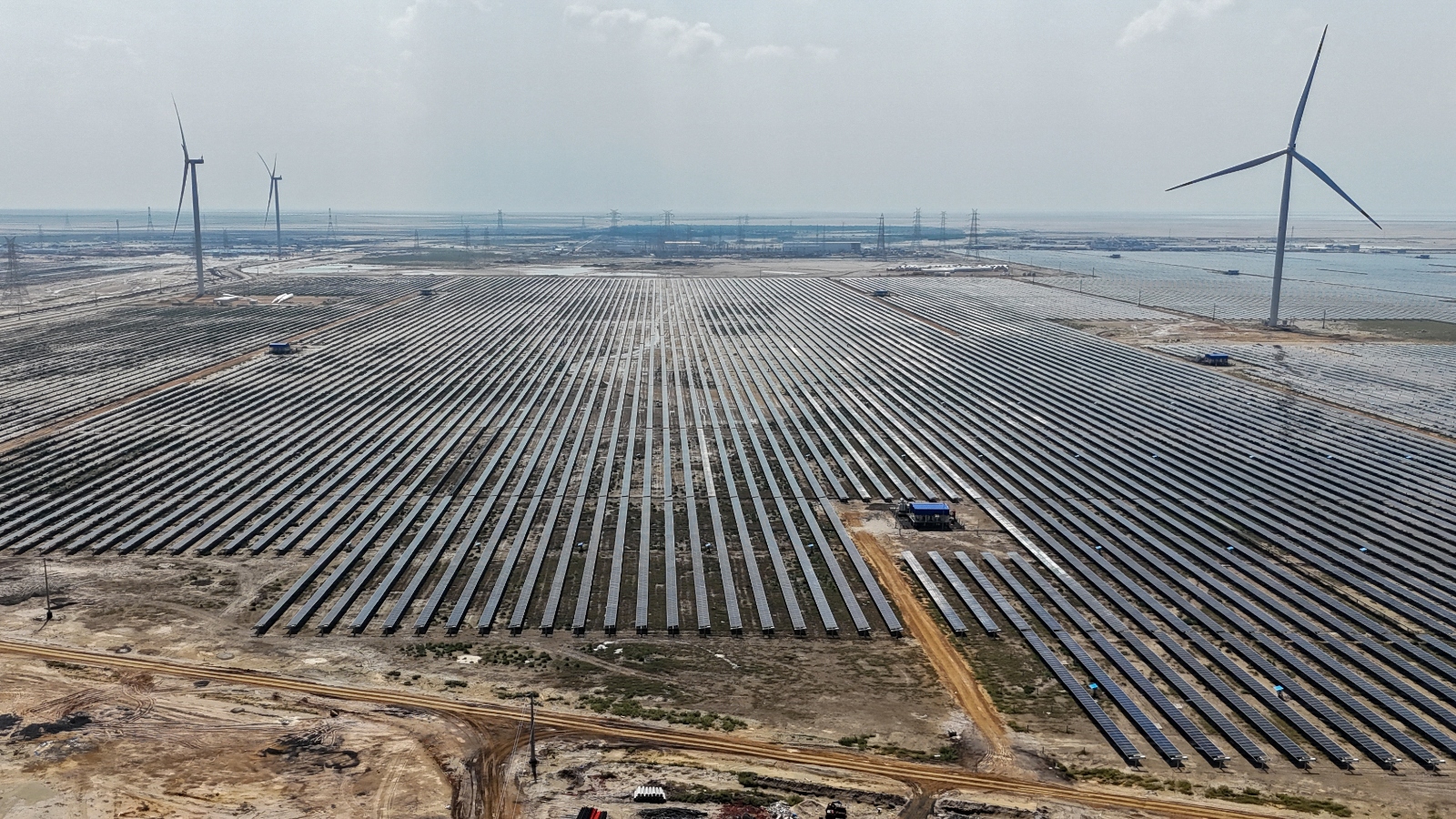
- Ember reports that solar plus battery storage can meet up to 90% of India’s electricity demand at a competitive cost of INR 5.06 /kWh ($56/MWh), lower than average state power purchase prices.
- Kostantsa Rangelova of Ember says the rapid drop in battery costs provides the “missing piece” for reliable day‑and‑night solar power, making India a potential global solar superpower.
- IEEFA warns that achieving India’s 500 GW renewable goal by 2030 hinges on debt‑finance structures, noting that clean‑energy assets now enjoy stronger margins and better access to international capital than thermal assets.
- Bill McKibben highlights California’s March 29 2026 grid data, where batteries supplied 42.8% of demand (12.3 GW) at 7 pm and stayed above 20% of demand for four hours, illustrating the scale of modern battery fleets.
- UAE is building a solar‑plus‑battery plant designed to deliver at least 1 GW of power continuously, aiming for 24/7 renewable electricity.
- Chile operates 9 GW of battery storage and has 27 GW in the pipeline to curb curtailment of solar and wind generation, which wasted 19 % of output in 2024.
Why it matters: India’s power generators and clean‑energy investors stand to gain from lower LCOE and stronger financing, while fossil‑fuel utilities face tighter margins and reduced access to capital as battery costs plunge and credit markets favor renewables. The shift also reduces India’s exposure to volatile imported oil and gas prices, cushioning the economy against geopolitical shocks.
Ask SkimNews