Japan Cabinet Allows Arms Exports to 17 Allies — SkimNews

Get the Geopolitics newsletter
Daily geopolitics — wars, elections, sanctions, the diplomatic moves that move markets. Free.
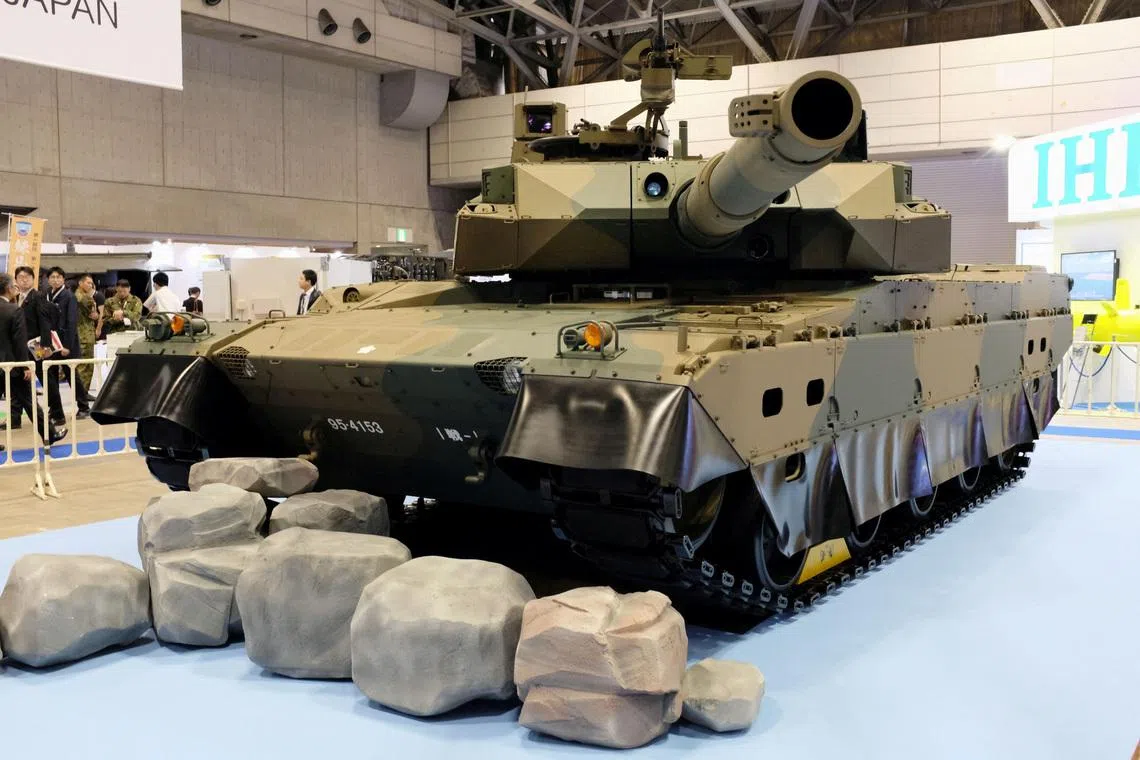
- Japan Cabinet approved a revision of the “Three Principles” that now permits Japanese firms to export defense equipment to 17 partner countries, including the United States, with plans to expand to 20.
- National Security Council will review each export sale and the Diet will be notified after a decision, while the ban on shipments to nations in active combat remains, except for compelling national security reasons.
- Prime Minister Takaichi Sanae justified the policy shift as a response to an “increasingly challenging security environment” and emphasized that Japan’s commitment to its peaceful post‑war path remains unchanged.
- China’s Foreign Ministry spokesman condemned the change as evidence of “new militarism,” accusing Japan of betraying its peaceful identity.
- Andrew Oros noted that former Prime Minister Shinzo Abe framed Japan’s expanding military role as “proactive pacifism,” a term that masks the country’s gradual shift toward a more assertive security stance.
- Asahi poll shows 67% of Japanese citizens oppose the export of lethal equipment, reflecting an anti‑militarist sentiment despite policy changes.
Why it matters: Japanese defense firms gain new markets while the government retains oversight through the National Security Council, but the policy provokes Chinese criticism and runs counter to a 67% public opposition to lethal exports, highlighting a tension between strategic security needs and domestic anti‑militarist sentiment.
Ask SkimNews