Exchanges Race to End After-Hours Broker Manipulation — SkimNews
Get the Finance newsletter
Daily finance — markets, central banks, M&A, the prints that move money. Free.
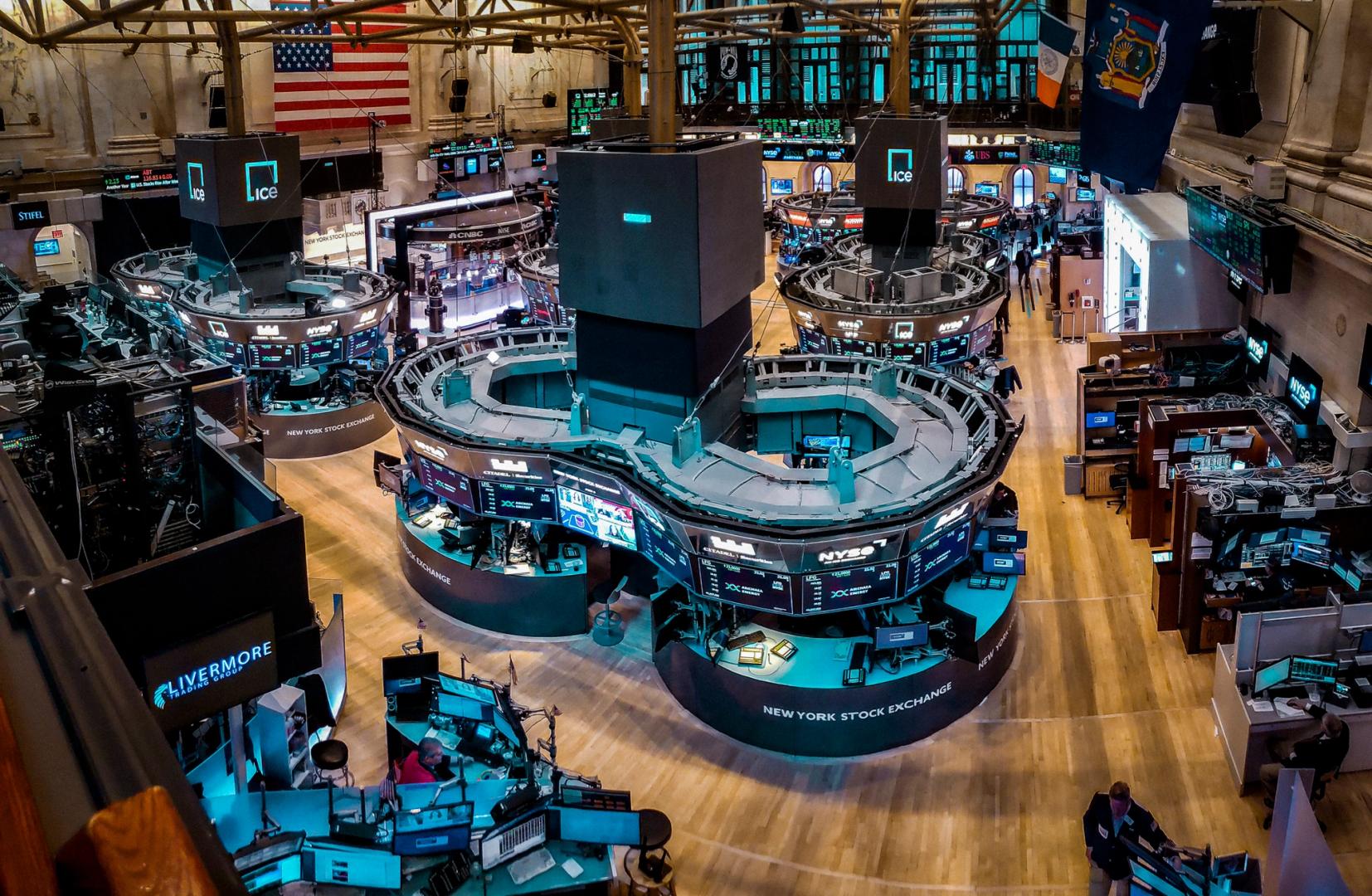
- NYSE, Nasdaq, CME and Cboe are racing to introduce 24/7 trading, with NYSE seeking SEC approval, Nasdaq announcing similar plans in December, and CME planning 24-hour crypto futures in 2026.
- Mati Greenspan, CEO of Quantum Economics, alleged that brokers engage in "manipulation outright" by setting opening prices to trigger client stop-losses, claiming firms "basically get to control prices" with hours to strategize during market closures.
- A joint UC Berkeley–University of Rochester study found that after-hours price discovery is "much less efficient" due to lower volume and thinner liquidity, while an SSRN study showed brokers can distort opening prices via the pre-open auction.
- The SEC settled charges in late 2025 over a multi-year spoofing scheme and fined Velox Clearing $1.3 million for failing to detect layering and spoofing in volatile, thinly traded stocks.
- FINRA's 2026 Annual Regulatory Oversight Report cited firms for failing to maintain supervisory systems to identify potentially manipulative activity in after-hours trading.
- Hyperliquid, a 24/7 decentralized exchange, saw weekly derivatives volume top $50 billion and generated $1.6 million in 24-hour revenue after adding an S&P 500 perpetual contract, illustrating demand for non-stop trading.
- Joe Dente, a floor broker at NYSE, warned that 24-hour trading would still leave markets "open to manipulation," noting that algorithms react to news "in a nanosecond" — an edge individual investors cannot match.
Why it matters: Regulators have already documented manipulation in after-hours markets: a late 2025 SEC spoofing settlement, the Velox Clearing fine, and FINRA's 2026 oversight report all cited failures to monitor off-hours trading. Round-the-clock markets would eliminate the closed-market window where thin liquidity enables coordinated price-setting, though Dente cautioned that 24-hour trading is itself "open to manipulation," leaving the question of who actually polices execution quality unresolved.
Ask SkimNews