Small SCO States Emerge as Bishkek Summit's Real Winners — SkimNews

Get the Geopolitics newsletter
Daily geopolitics — wars, elections, sanctions, the diplomatic moves that move markets. Free.
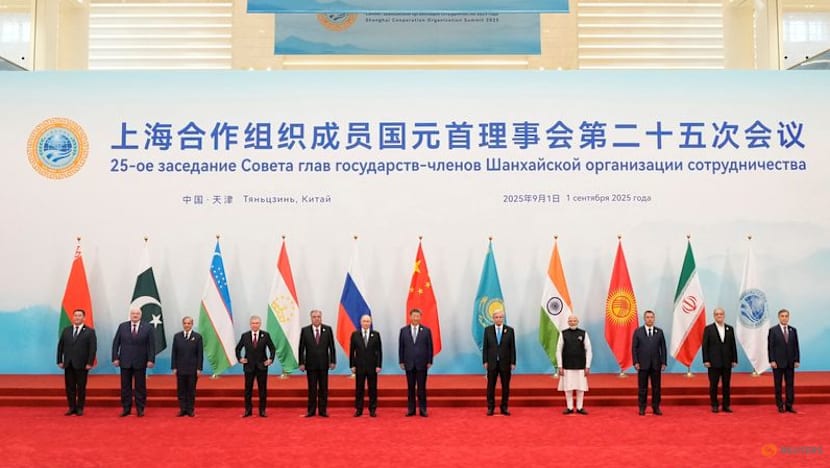
- The Shanghai Cooperation Organization convened its 25th-anniversary summit in Bishkek, Kyrgyzstan on August 31-September 1, bringing together ten member states—China, India, Russia, Iran, Pakistan, and four Central Asian republics—representing nearly half of humanity.
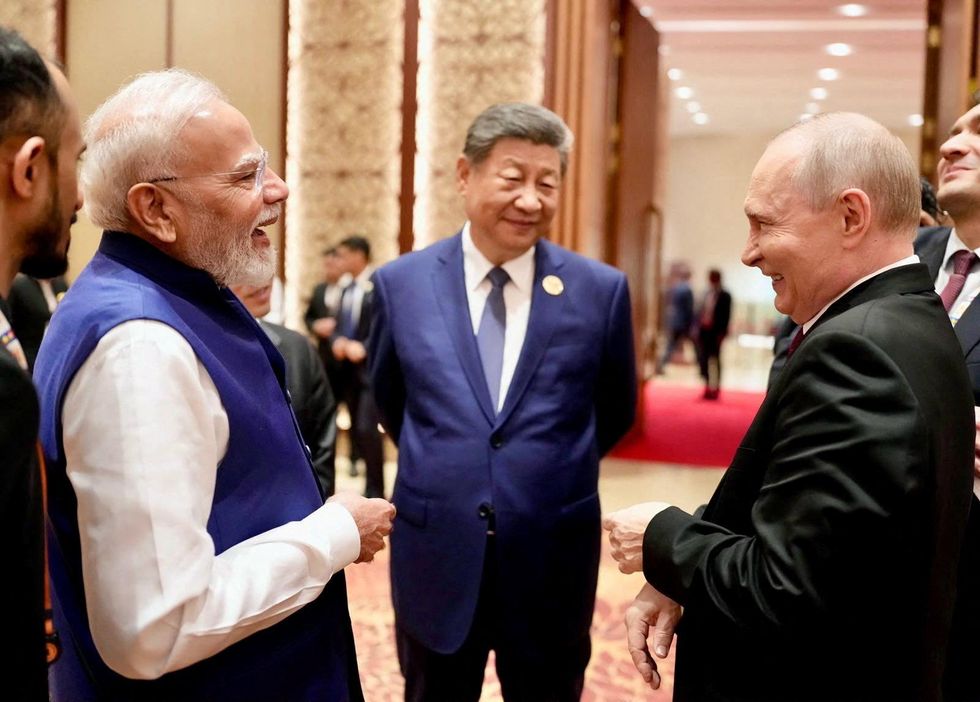
- Prime Minister Narendra Modi directly urged President Vladimir Putin to end the war in Ukraine "for humanity's sake," while Chinese President Xi Jinping and Modi did not hold a formal bilateral meeting as they had the previous year.
- Kyrgyzstan used its outgoing-chair role to promote the China-Kyrgyzstan-Uzbekistan railway—a Belt and Road corridor running from Kashgar through Kyrgyzstan into Uzbekistan—along with emerging trade routes connecting with India and Pakistan via CPEC and a deal to drastically increase bilateral trade with Pakistan.
- Smaller SCO states drove the summit's most concrete institutional proposals: Xi pitched AI hubs, Uzbekistan proposed an industrial cooperation mechanism, Kyrgyzstan pushed its Tamchy Special Financial Investment Territory and Bishkek as headquarters of a joint development bank, and Tajikistan proposed a regional digital agro-ecological platform.
- Kyrgyzstan established the Tamchy Special Financial and Investment Territory in 2025 as a special economic zone built on Western regulatory codes and law, illustrating smaller members' strategy of attracting capital from Chinese, European, American, Turkish, Gulf, Japanese, and South Korean sources simultaneously.
- The SCO's three largest powers—China, India, and Russia—lack sufficient leverage over one another to impose a common strategic direction, leaving smaller Central Asian members with outsized influence over which institutionalization proposals actually advance.
Why it matters: Smaller SCO states like Kyrgyzstan are converting membership into tangible development gains—infrastructure corridors, Western-coded special economic zones, and diversified trade deals—by playing Beijing, Moscow, New Delhi, and Western capitals against one another. The article argues Washington should treat the SCO as a marketplace of overlapping bilateral interests, not an embryonic anti-Western alliance whose every move reflects Beijing or Moscow.
Ask SkimNews