Operation Epic Fury Fails to Topple Iran Regime
Get the Geopolitics newsletter
Daily geopolitics — wars, elections, sanctions, the diplomatic moves that move markets. Free.
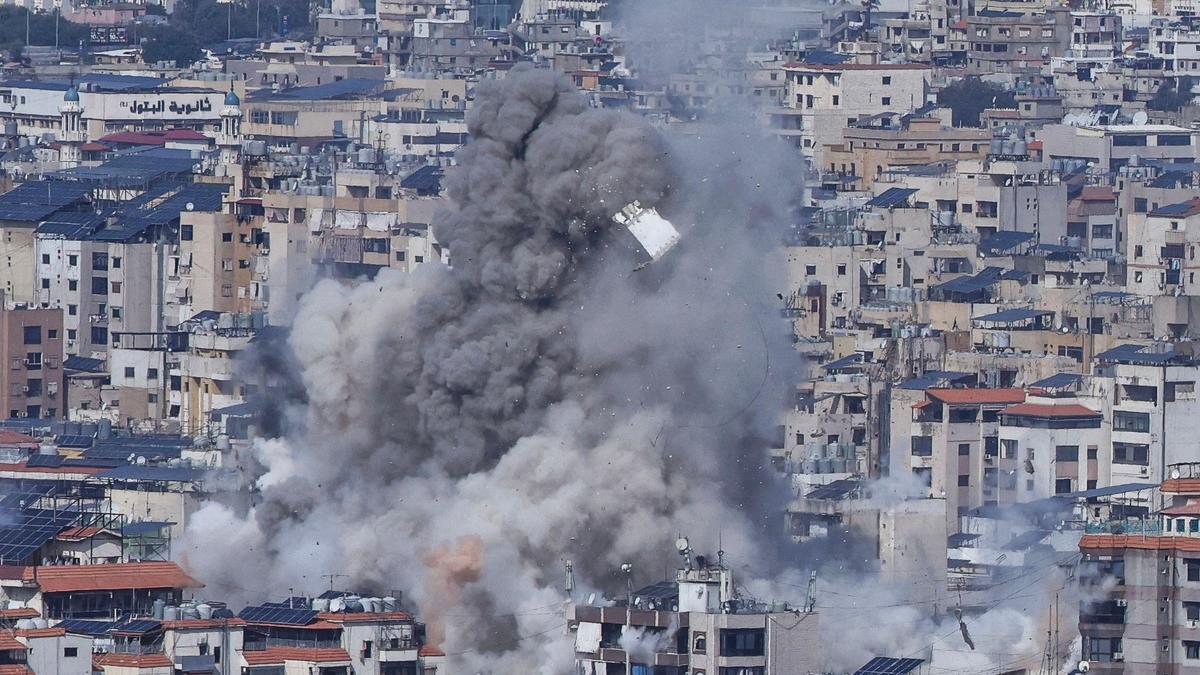
- Trump announced Operation Epic Fury on Feb. 28, 2026, a joint U.S.-Israeli military operation against Iran with regime change as a core objective, telling Iranians the government would be theirs to take.
- Netanyahu supported the operation, stating the action would allow the Iranian people to take control of their destiny, aligning with Israel’s goal of removing the Islamic Republic.
- Khamenei was killed on the first day of the war by Israeli forces, but the Iranian regime survived the decapitation strike and did not collapse as anticipated.
- U.S. and Israeli planners had no viable plan for installing a new government in Tehran after the initial strikes, repeating a historical pattern of conflating tactical military success with long-term political outcomes.
- Analysts cite five past failed regime change efforts — 1953 Iran coup, 1956 Suez crisis, 1982 Lebanon invasion, Iraq under Saddam, and 2011 Libya — as evidence that decapitation and military force rarely lead to stable political transformation in the region.
- Scholars argue that leaders repeatedly overestimate their ability to use military power to reshape Middle Eastern politics, noting that such operations often trigger nationalist backlash and strengthen the targeted regimes.
Why it matters: The failure of Operation Epic Fury underscores a recurring strategic miscalculation: destroying leadership does not guarantee political transformation. With no viable opposition ready to govern, the U.S. and Israel now face a resilient Iranian state, increased regional instability, and diminished credibility in future coercive diplomacy.
Ask SkimNews