Israel Tests Iron Dome With Iron Beam Laser Integration
Get the Geopolitics newsletter
Daily geopolitics — wars, elections, sanctions, the diplomatic moves that move markets. Free.
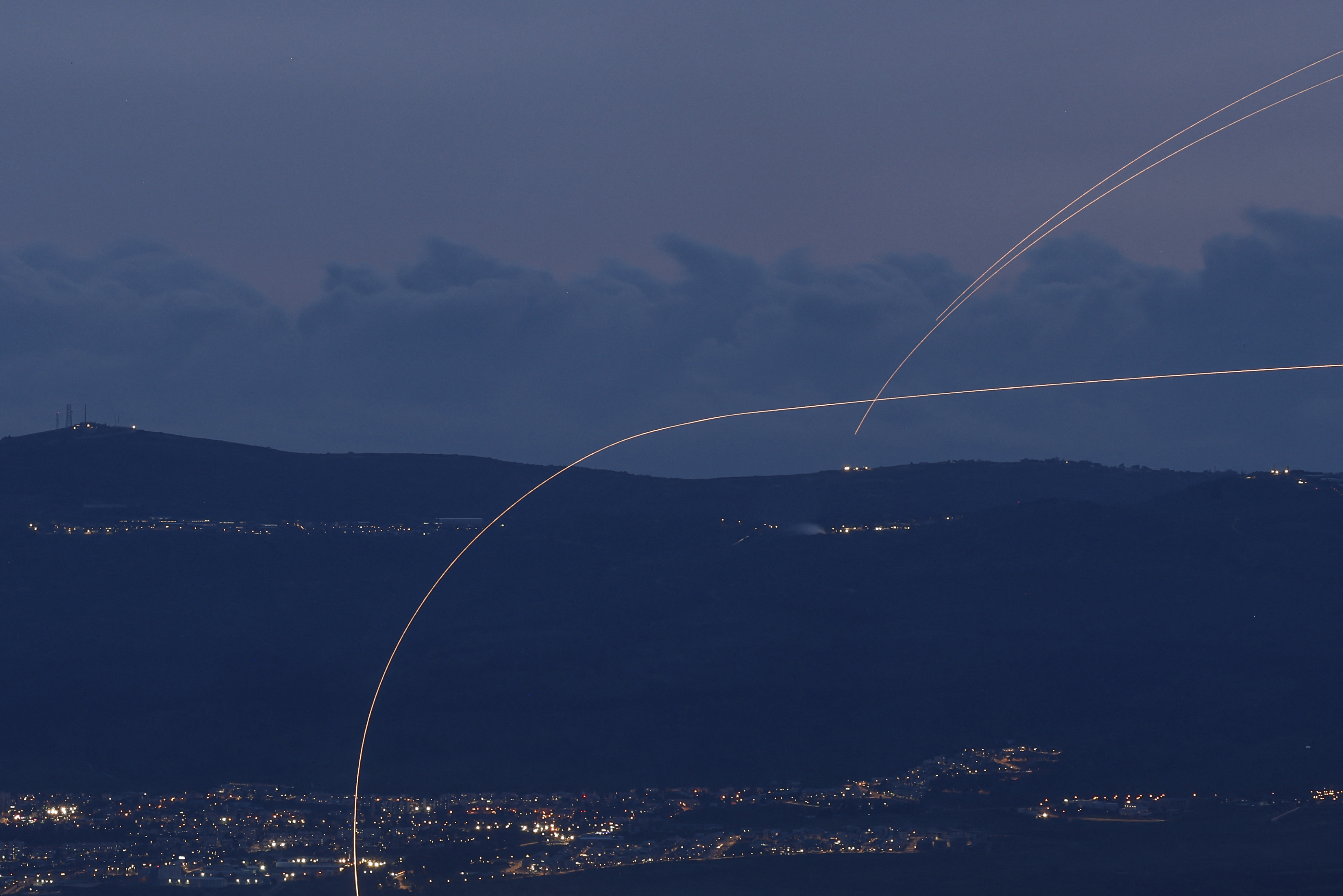
- Israel's Defense Ministry announced successful completion of tests on an upgraded Iron Dome system integrated with the Iron Beam laser, with joint operational scenarios managed directly from Iron Dome's battle management center.
- The upgrades enhance the system's ability to handle massive, concentrated saturation salvos, allowing commanders to dynamically toggle between missile and laser interceptions based on threat type, system availability, and cost-benefit calculations.
- Rafael, the Israeli firm that is the primary developer of both systems, designed Iron Beam to neutralize targets within 4-5 seconds from lock-on at ranges up to 10 kilometers.
- Each Iron Beam laser pulse costs only a few dollars, compared to roughly $50,000 for a single Tamir interceptor, per Defense Ministry figures cited in the report.
- Each Iron Dome battery consists of a radar system, command center, and missile launchers carrying about 20 Tamir interceptors, protecting against threats within a range of 4 to 70 kilometers.
- The announcement comes amid a U.S.-Iran ceasefire, with Israel in high strategic tension along its northern border with Lebanon, where it continues to face persistent drone salvos launched by Hezbollah.
Why it matters: The cost asymmetry is the headline: a few dollars per Iron Beam laser pulse versus roughly $50,000 for each Tamir interceptor fundamentally shifts the economics of defending against saturation attacks, the exact tactic Hezbollah has been employing with drone salvos along the northern border. With Rafael as the sole developer of both systems, Israel now has a domestically controlled, lower-cost path to absorbing high-volume fire without burning through expensive interceptor stocks.
Ask SkimNews