Counter-drone tech is gaining major traction — SkimNews

Get the Tech newsletter
Daily tech — startups, AI labs, chips, the launches that shape the next decade. Free.
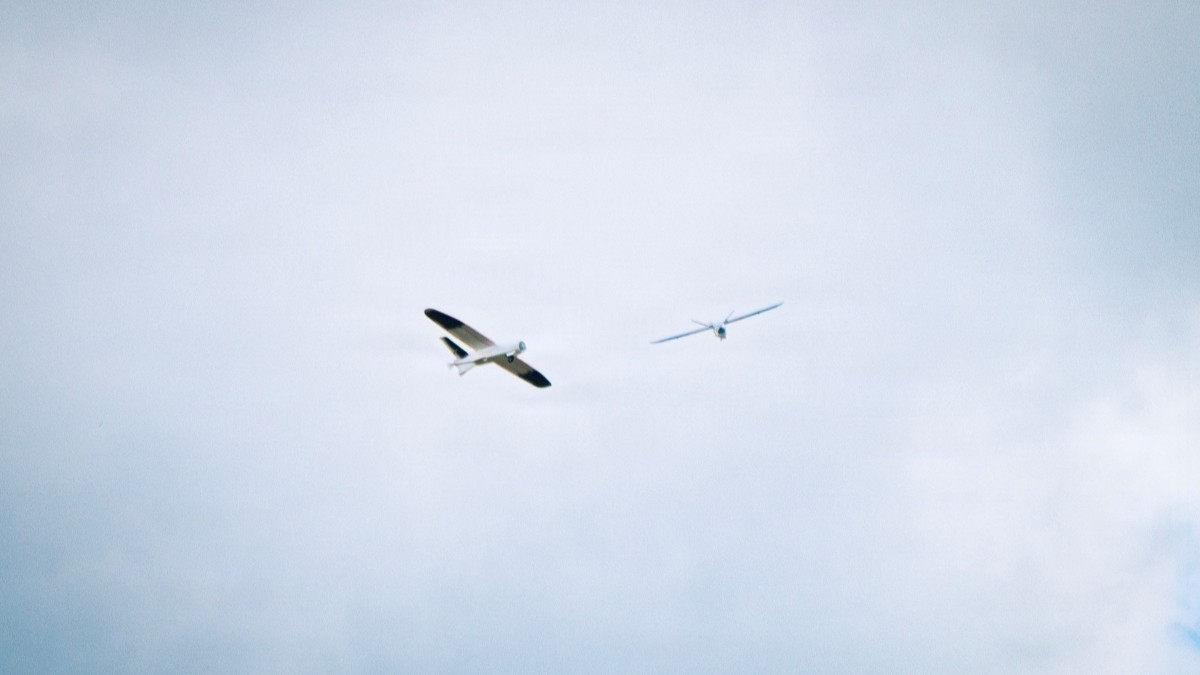
- Ukraine's Sting interceptor costs $2,100, flies at 213 mph with a 20 km radius, and is operated by the 412th Nemesis Brigade, which claims a 95% success rate using AI computer vision to lock onto targets like the Geran 2 — Ukraine is now marketing it to NATO and the Middle East.
- Russia's Yolka (Fir Tree) is a $500, 1.5 kg man-portable interceptor hitting 300 km/h, but it only works in daylight, cannot be remotely operated (forcing pilots to stay exposed on the front line), and is not integrated with radars or other sensors.
- Iran launched roughly 1,000 to 1,500 drones at US and allied facilities between February and March 2026, including salvos at the USS Abraham Lincoln that Iran claimed struck the carrier — a claim CENTCOM has fiercely denied.
- Houthi forces have repeatedly used long-range kamikaze drones and uncrewed surface vessels against commercial shipping in the Red Sea and Gulf of Aden and claim to have hit and forced the retreat of the USS Harry S. Truman.
- Russia intercepts 70% to 85% of the 150 to 300 drones that hit its territory each night, but the drones that penetrate are inflicting heavy damage — and expensive ground systems like Pantsir are in short supply while their radars act as beacons for Ukrainian weapons.
- The United States has "hardly tried" to shut down Russian, Iranian, and proxy drone supply chains, and recovered weapons are routinely found stuffed with US components and parts from Asia, particularly China.
- Counter-drone sensors are shifting from RF jamming to Micro-Doppler radar (which can distinguish drone blades from birds) and Short-Wave Infrared PTZ optics that penetrate fog, smoke, and battlefield haze to spot fiber-optic "silent" drones that cannot be jammed.
Why it matters: The cost asymmetry is brutal: a $2,100 Sting or $500 Yolka can threaten multi-million-dollar aircraft, ships, and infrastructure, and Ukraine is already exporting that advantage to NATO and the Middle East. The US has been unwilling or unable to cut off the China-linked component supply feeding Russia and Iran, leaving allied militaries dependent on imperfect interception — meaning the drones that slip through 70-85% kill rates will continue to dictate the economics of modern warfare.
Ask SkimNews