Ukraine races to field faster interceptors as Russia hammers its energy grid — SkimNews
Get the Geopolitics newsletter
Daily geopolitics — wars, elections, sanctions, the diplomatic moves that move markets. Free.
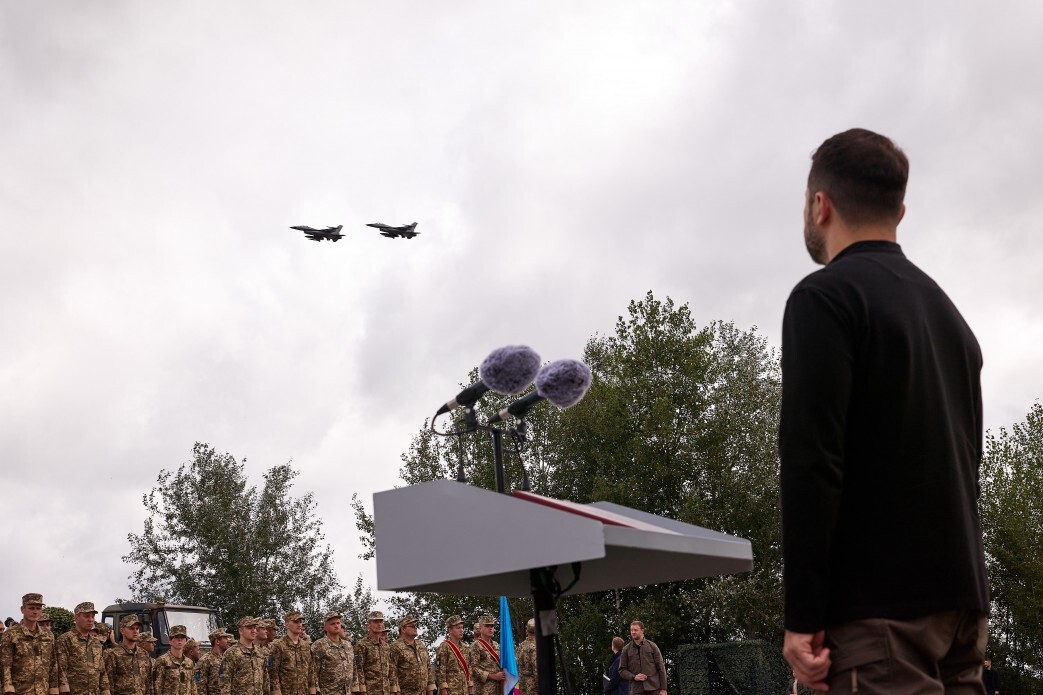
- Russia's jet-powered drones now reach 373 mph (600 km/h) — three times faster than the propeller-driven Geran-2s they evolved from — with their numbers jumping fivefold in July, forcing Ukraine to rely on F-16s, AI-aimed machine-gun turrets, and scarce air-defense missiles.
- Trump's unilateral energy ceasefire was ignored by Russia: Ukraine paused strikes for two days while Russia hit a Kharkiv gas production facility that Sunday night, then launched 167 missiles and drones (77 jet-powered) overnight Tuesday into Wednesday, cutting power to 600,000 in Kyiv.
- A new Geran-4 variant carries an 88-pound (40-kg) warhead "created specifically to destroy high-voltage pylons and iron bridge structures," per Zelenskyy adviser Serhii "Flash" Beskrestnov, and navigates using a U.S.-made magnetometer; it hit Kyiv's South Bridge at least five times on Oct. 1-2.
- Ukraine's interception rate against jet drones started very low, rose above 30%, then 50%, and reached 77% on Tuesday night — compared to roughly 90% against older propeller drones — while jet-powered Gerans already make up ~40% of Russian drone launches, projected to hit 80%.
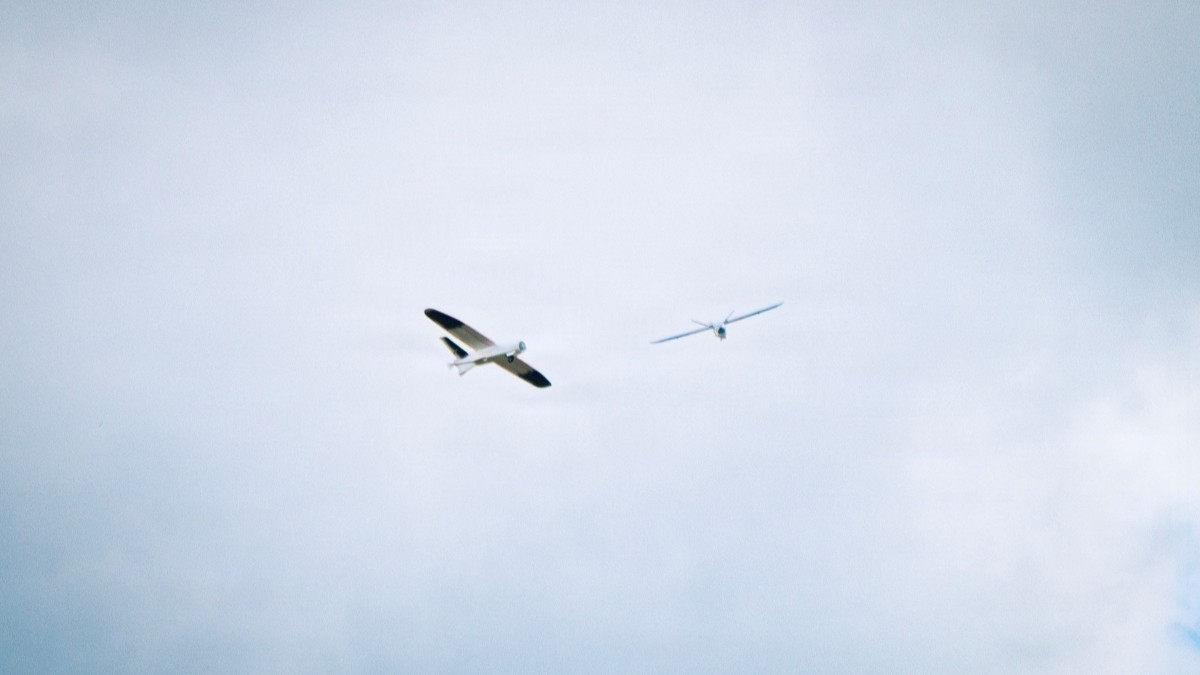
- Ukraine's first jet interceptor (the Alexa Spatium) entered service only on Aug. 21; 14 companies are flight-testing prototypes with three showing promise, but deputy air force commander Col. Yurii Cherevashenko told lawmakers scale delivery isn't expected until end of November at the earliest.
- Russia has stopped building the slower Geran-3 and is ramping up the Geran-4 (217-311 mph) and the missile-shaped Geran-5 (90-kg warhead), while the Air Force projects future drone speeds reaching 500-560 mph (800-900 km/h) — none recorded yet.
Why it matters: Ukraine's interceptor economics have collapsed: cheap drones once downed ~90% of propeller Shaheds, but jet-powered Gerans now force reliance on F-16s, costly missiles, and AI turrets, with jet interceptors not arriving at scale until late November. Russia already makes jet drones ~40% of its launches and projects 80%, leaving a months-long gap where energy infrastructure and bridges remain exposed despite Trump's unilateral ceasefire.
Ask SkimNews