Jet-powered drones pose a new threat to Ukraine – can they be stopped? — SkimNews

Get the Health newsletter
Daily health & science — research, biotech, public health, the studies worth knowing. Free.
- Russia is deploying jet-powered Geran-4 drones — based on an Iranian design but manufactured under license in Russia — at over 50% of its drone strikes as of 30 August, per Zelenskyy.
- Geran-4 drones reach 500 km/h, triple the 100-150 km/h speed of older Shahed models, making them too fast for Ukraine's existing copter-type interceptors, per Brave1 spokesperson.
- The upgraded Shaheds feature heat-shrouding jet engines, built-in electronic-warfare devices, and rear-facing cameras that detect approaching interceptors and trigger evasive maneuvers.
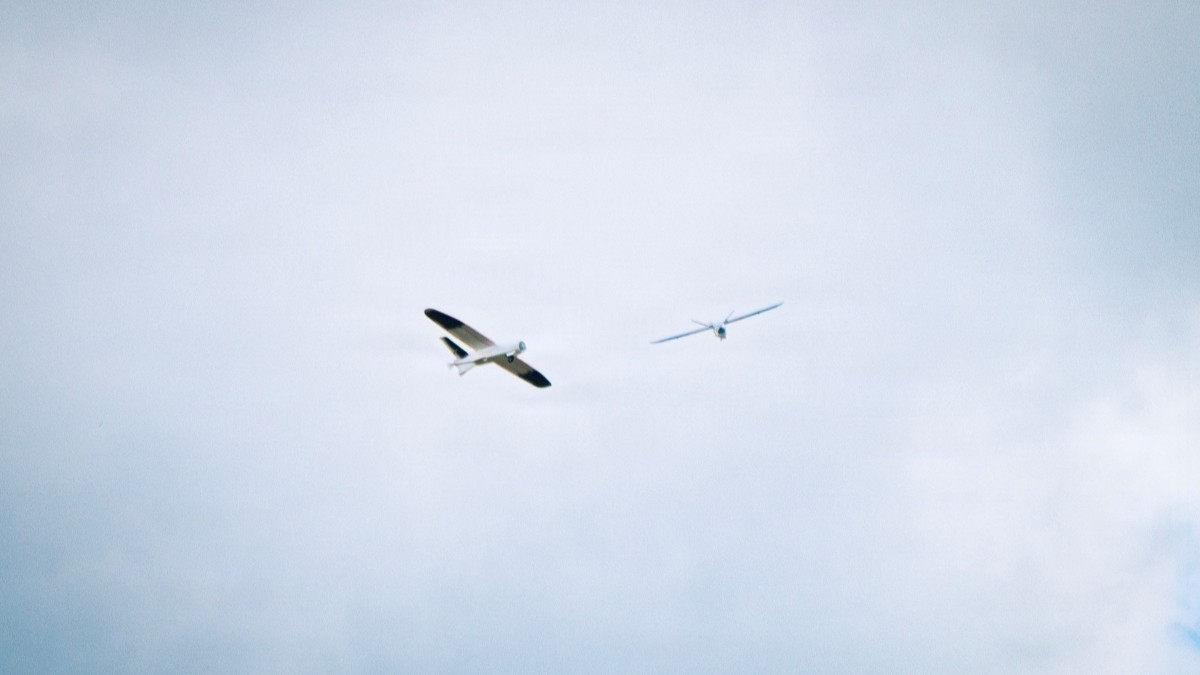
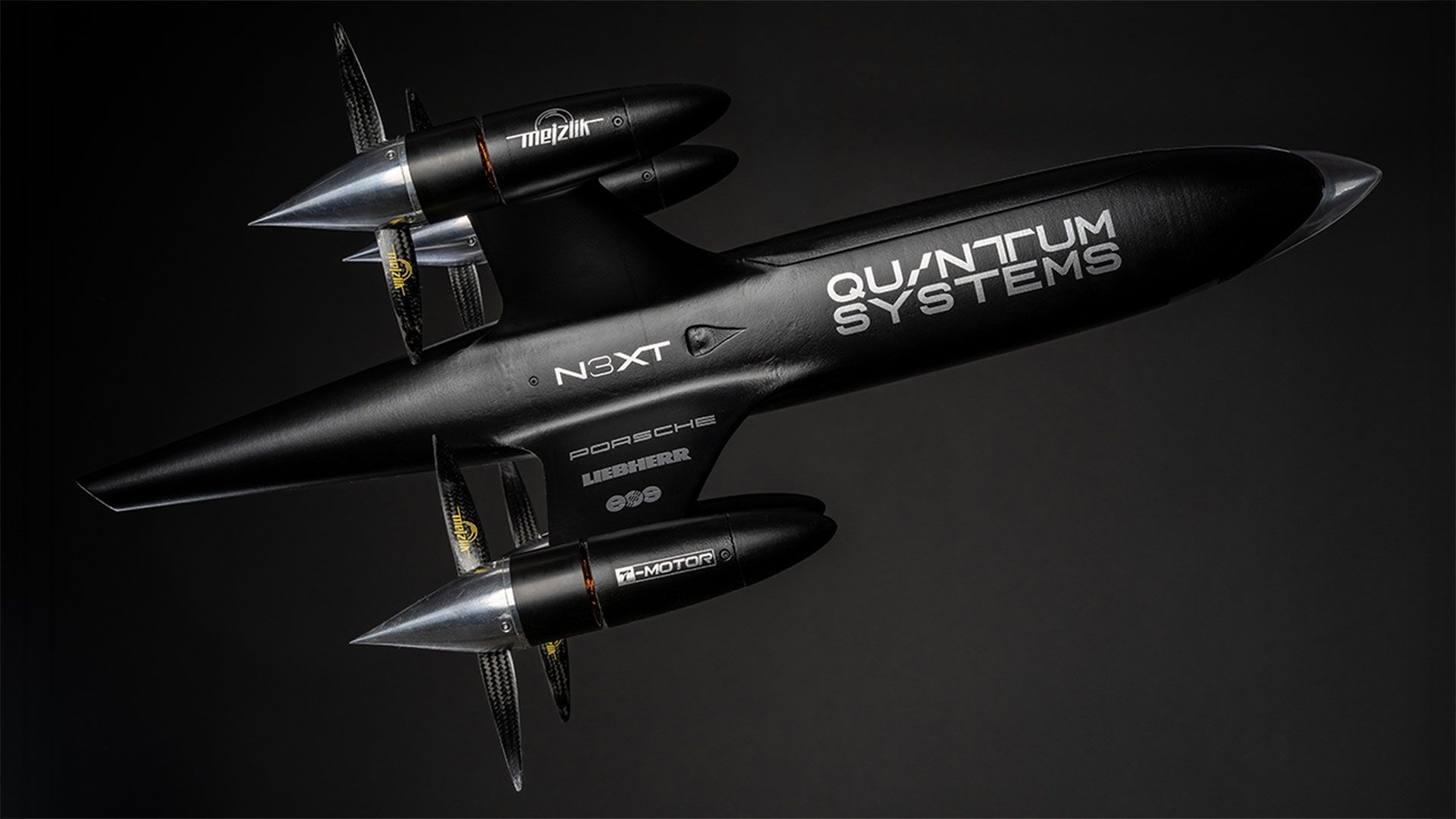
- Ukraine's Brave1 is developing four interceptor drone variants — winged jets, impeller-propelled craft, and upgraded quadcopters — all requiring AI-guided autonomous target engagement at 450+ km/h.
- Zelenskyy said four new devices are in testing to tip the scale, as jet-powered attacks surge against targets including petrol stations.
- Kyiv resident Olexandra Shekhireva told New Scientist almost all incoming Shaheds near her home are now jet-powered, and that attack methods shift every two weeks.
- Shekhireva said she fears ballistic missiles more than drones, describing how a Zircon strike on her building shattered windows district-wide and condemned multiple apartment blocks.
Why it matters: At 500 km/h, jet-powered Geran-4s shrink the detection-to-strike window to a span current Ukrainian interceptors cannot cover, handing Russia a daily tactical advantage; if Brave1's four AI-guided prototypes reach deployment they would restore a layer of air defense now degraded against the upgraded Shaheds, but until then civilian sites like fuel stations remain exposed at a tempo that shifts every two weeks.
Ask SkimNews