Israel president taps Eisenkot to form new government — SkimNews
Get the Geopolitics newsletter
Daily geopolitics — wars, elections, sanctions, the diplomatic moves that move markets. Free.
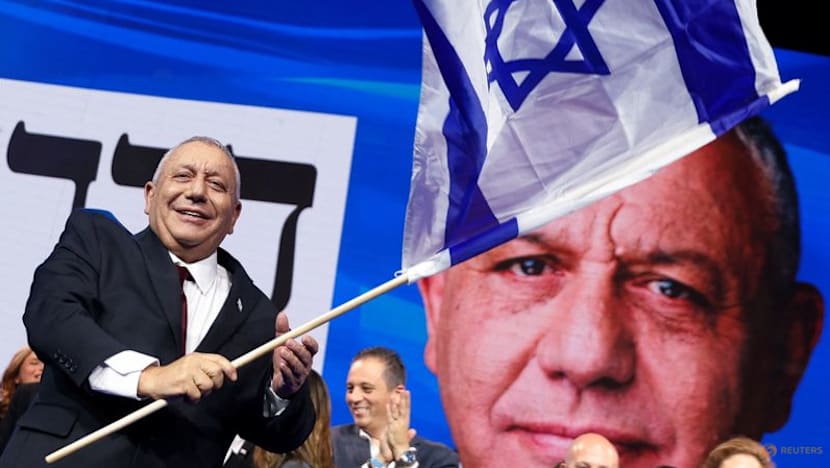
- Herzog said on Saturday, Nov. 7, that he would give Eisenkot the first chance to form a government after the Oct. 27 election; the formal appointment is set for Sunday at the president’s residence in Jerusalem.
- Eisenkot was recommended by parties representing 67 lawmakers, versus 46 for Netanyahu’s bloc, and has 28 days to secure the 61 votes needed; Herzog can grant a 14-day extension if he falls short.
- Eisenkot’s opposition bloc opened the door to an alliance with ultra-Orthodox Jews, while the recommendation for his mandate included Israeli Arab parties whose seat haul rose on anger against Netanyahu.
- Netanyahu called an opposition coalition with Arab lists a threat to dismantle Israel from within and urged a unity government of all Zionist parties, but the opposition insists on removing him first.
- Liberman said he would not sit in an Eisenkot government reliant on Arab votes, while opening to discussion of an ultra-Orthodox military-service exemption that he and Naftali Bennett had pledged to end.
- Israel will hold fresh elections if Eisenkot and subsequent candidates fail to form a government, after five elections between 2019 and 2022 were caused by repeated deadlocks.
- Yashar urged Netanyahu’s allies and Likud members to join an Eisenkot-led unity government and publicly end their alliance with the extremists.
Why it matters: Herzog’s first-mandate decision gives Eisenkot a 28-day path to the 61 votes needed to replace Netanyahu, backed by recommendations from parties representing 67 lawmakers. The arithmetic runs through Arab support Netanyahu rejects and ultra-Orthodox cooperation sought by the opposition, while Herzog remains open to a national unity government.
Ask SkimNews


