Iran Pledges Reciprocation If US Honors June Deal — SkimNews
Get the Geopolitics newsletter
Daily geopolitics — wars, elections, sanctions, the diplomatic moves that move markets. Free.
- Iran said on Tuesday (Sep 1) it would "immediately reciprocate" if the US returns to commitments under the June MOU, with President Masoud Pezeshkian making the statement at the Shanghai Cooperation Organisation summit in Bishkek, Kyrgyzstan
- Trump threatened further strikes on Iran, telling Fox News "We're going to hit them hard ... There will be a response," while separately telling reporters the renewed strikes do not signal a return to full-scale war
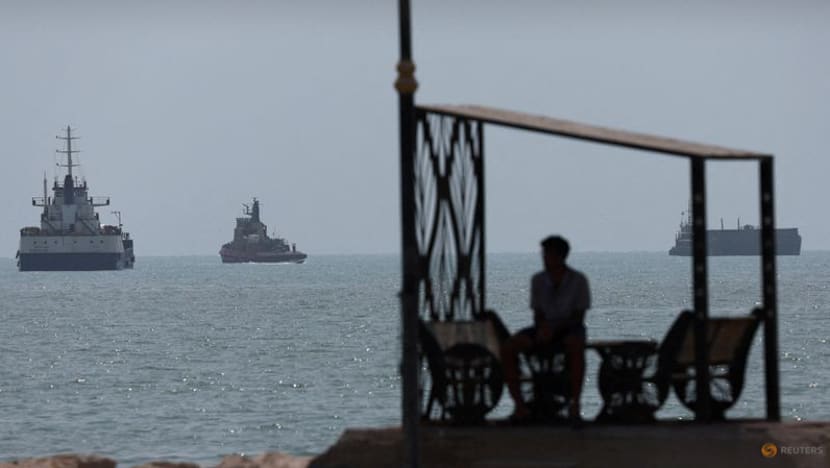
- Two supertankers carrying Saudi oil were struck by unknown projectiles within minutes of each other while transiting outbound through the Strait of Hormuz late Monday, and Brent futures rose another 1.3% on Tuesday
- Iran's central bank governor Abdolnaser Hemmati said Tehran had sufficient foreign currency reserves and was ready to inject up to US$2 billion into the foreign exchange market to calm recent volatility
- Iran's rial plunged to a record low in August, crossing the psychological threshold of 2 million rials per dollar, while annual inflation reached 66% in July
- US Treasury Secretary Scott Bessent warned that countries doing business with Iran could face US sanctions, with secondary sanctions likely unveiled weekly and an initial focus on banks
- The June MOU declared an end to fighting but deferred difficult issues; the subsequent 60-day negotiation period passed without further agreement
Why it matters: Pezeshkian's reciprocal offer puts the diplomatic ball squarely in Washington's court, but Trump's public threat of more strikes and the Hormuz tanker attacks show how quickly an economic standoff can snap back into military conflict. For Iran, the rial past 2 million per dollar and 66% annual inflation confirm that sanctions pressure is biting hard, even as Tehran projects financial confidence from the central bank.
Ask SkimNews
