Netanyahu courts India, Latin America to hedge beyond Trump era — SkimNews

Get the Geopolitics newsletter
Daily geopolitics — wars, elections, sanctions, the diplomatic moves that move markets. Free.
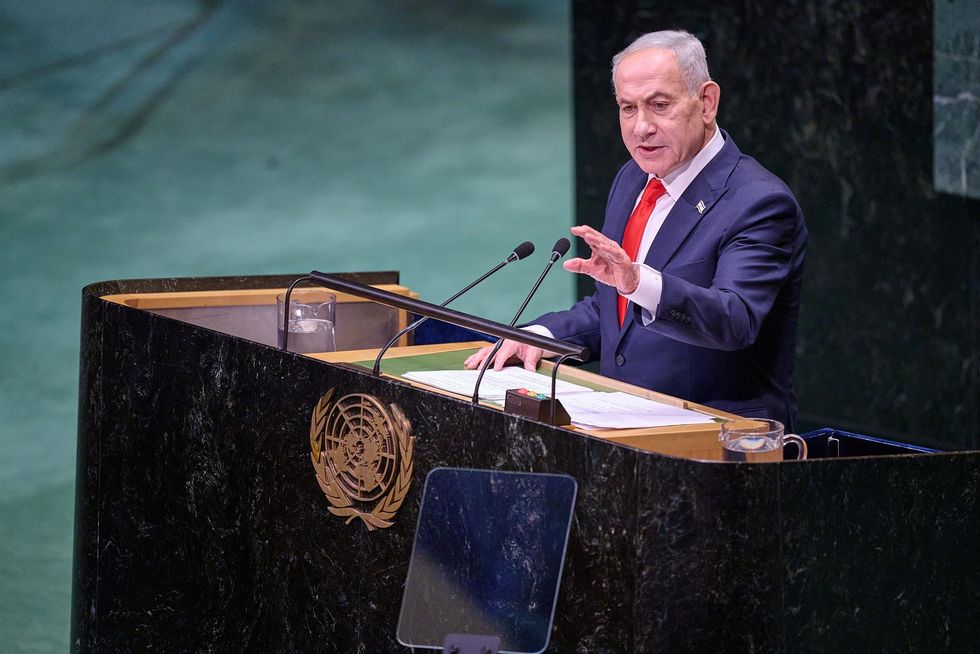
- Netanyahu presented his security doctrine on October 18, 2026, warning that 'a President, man or woman, could come to power who is very hostile to Israel' and urging Israel to act 'during these two years, and during the following two years' to strengthen its position
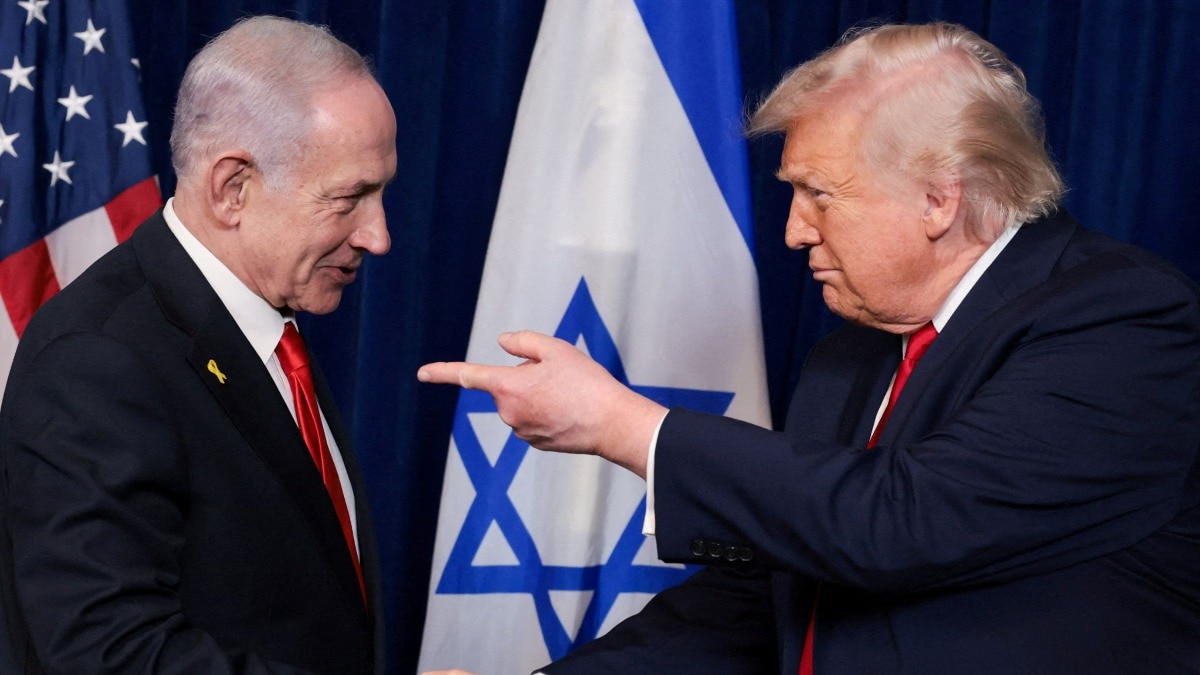
- The address came just hours after Trump publicly endorsed Netanyahu's re-election bid, underscoring the timing nine days before Israel's October 27 vote
- Netanyahu named India under PM Modi and pointed to 'a major shift in Latin America' with potential 'enormous change in Brazil in just a few days' as the priority countries for expanding Israel's alliance pool
- Gadi Eisenkot, Netanyahu's main challenger and former IDF Chief of Staff, dismissed the doctrine as 'two hollow pages, full of slogans that have nothing whatsoever to do with a security doctrine' and accused Netanyahu of 'manipulating perceptions' before the election
- Netanyahu has repeatedly invoked his India relationship — calling it 'unique' earlier in 2026 and citing 'crazy love' for Israel — to counter claims of Israel's diplomatic isolation
- Israeli analysts cited in the piece attribute growing Democratic apathy toward Israel to Netanyahu's tense ties with Obama and Biden, framing friction with Democratic presidents as electoral proof of strength
Why it matters: Netanyahu is publicly conceding that Israel's bipartisan U.S. consensus is fragile, and his response — diversifying ties with India and Latin America — is a direct hedge against a post-Trump White House. With Eisenkot calling the doctrine 'two hollow pages' of campaign-season sloganeering, the real test is whether voters treat the alliance pivot as statecraft or as a campaign prop nine days before the October 27 ballot.
Ask SkimNews