Trump Accepts Pakistan-Brokered Ceasefire With Iran — SkimNews

Get the Geopolitics newsletter
Daily geopolitics — wars, elections, sanctions, the diplomatic moves that move markets. Free.
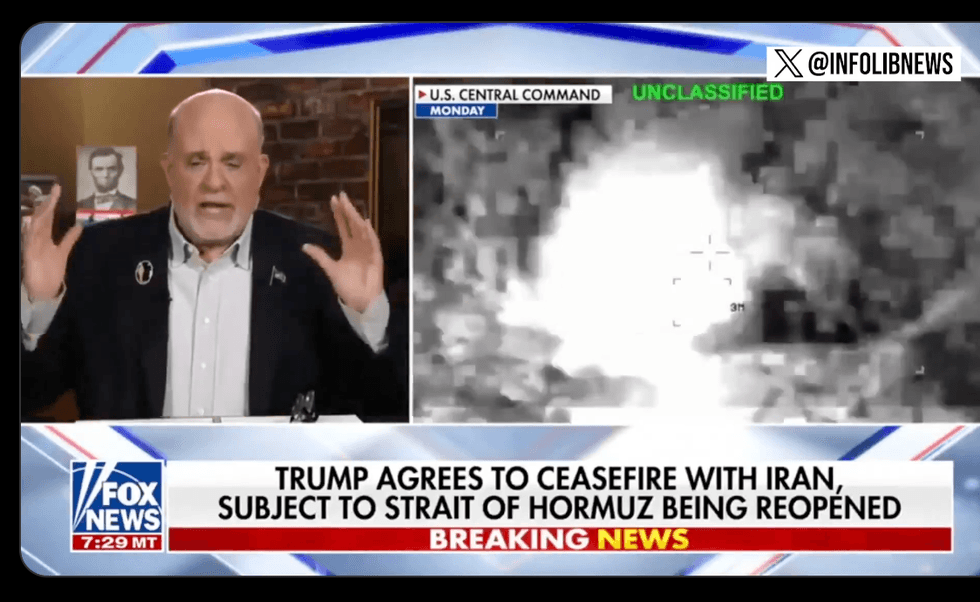
- Trump accepted a two-week ceasefire brokered by Pakistan to finalize Iran's 10-point counter-proposal responding to a US 15-point proposal, with Trump calling it a "workable basis" for negotiation.
- The six-week war began with joint US-Israel strikes on Iran; Iran retaliated by closing the Strait of Hormuz and sustained daily missile and drone attacks on Gulf and Israeli targets, triggering a global oil, gas, and inflation crisis.
- The war cost the United States at least $1 billion a day, added substantially to a federal debt near $40 trillion, and left 61% of Americans opposed to the conflict as Trump's approval ratings plummeted.
- Iran's Islamic Revolutionary Guard Corps (IRGC) maintained sustained retaliatory capability despite the US-Israeli decapitation of its leadership, air supremacy, and bombardment of thousands of military and non-military targets.
- Key terms of the Iranian proposal include a US guarantee of non-aggression, removal of primary and secondary sanctions, continued Iranian control of the Strait of Hormuz, and Iran's right to enrich uranium for peaceful purposes.
- Israel has claimed Lebanon is not covered by the ceasefire, despite the Iranian proposal calling for cessation of hostilities on all fronts, and Israel was reportedly running low on interceptors and facing IDF manpower shortages.
- Russia and China, both bound by strategic cooperation agreements with Iran, vehemently opposed the war and joined a broad international call for de-escalation, while US allies refused to participate in the conflict.
Why it matters: The ceasefire rests on Iranian terms that include sanctions removal, continued uranium enrichment, and Strait of Hormuz control—concessions that will require Trump to restrain Netanyahu, who has long sought to dismantle Iran as a regional power. The $1 billion daily cost, 61% domestic opposition, and inability to rally allies left Trump with little runway, meaning the deal's viability hinges on whether Netanyahu agrees to pull back from Lebanon and negotiate in good faith.
Ask SkimNews