Singapore School Bid Ignites Sapporo Culture War — SkimNews
Get the Geopolitics newsletter
Daily geopolitics — wars, elections, sanctions, the diplomatic moves that move markets. Free.
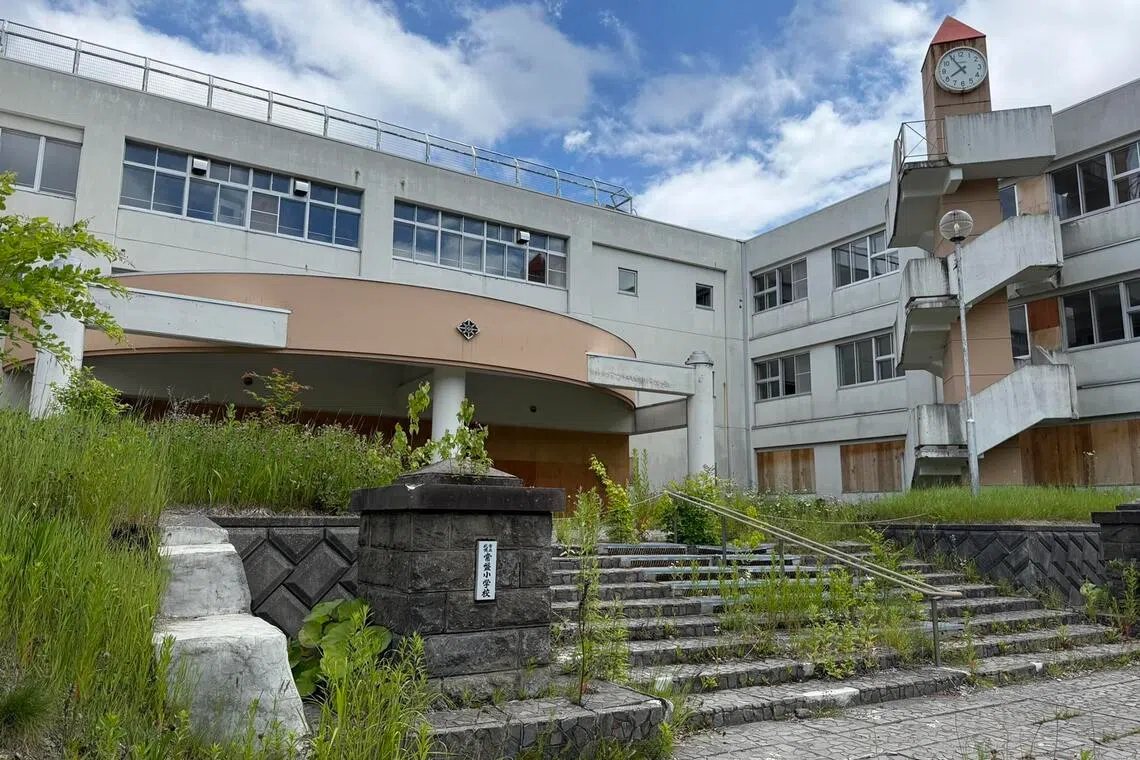
- Global Indian Education (GIE), part of Singapore's Global Schools Group, won a July 2025 bid for the closed Tokiwa Elementary School site in Sapporo for 25 million yen — above the state's 22.2 million appraisal — projecting 650 pupils by 2033 and an August 2027 opening.
- The plan triggered nationalist backlash: protesters with megaphones hijacked GIE's September 2025 public briefing, and 90 petitions flooded the Sapporo City Assembly by November branding the school a 'front for mass immigration.'
- Sapporo municipal lawmakers on May 21 unanimously rejected the petitions as based on untruths, noting many signatories were not Tokiwa residents, effectively greenlighting the project.
- Sapporo's foreign population grew 2.7 times from 9,302 in June 2013 to 25,331 in June 2026 — a record 1.29% of the city's 1.96 million residents, one in three of whom is a senior.
- Sapporo enacted Japan's first major-municipality 'community coexistence' ordinance, but unlike Kawasaki and Osaka it carries no legal deterrent against hate speech, with officials citing respect for freedom of expression.
- The conservative Sanseito party's 'Japanese First' slogan has entered mainstream politics, pressuring the national government to impose stricter immigration controls.
- C.R.A.C.NORTH, a Hokkaido-based anti-discrimination collective, has organized counter-protests since 2013 against hate speech targeting the Ainu and Zainichi Koreans; volunteer Hikari Sarashina, 40, told ST she was doxxed online and harassed at her workplace for speaking up.
Why it matters: Sapporo's 2.7x foreign population surge has run straight into the 'Japanese First' movement without legal guardrails — the city's coexistence ordinance carries no penalties for hate speech, so volunteer counter-protesters like C.R.A.C.NORTH remain the only practical check, even as the same political climate pressures the national government toward stricter immigration rules that will shape how Sapporo — and Japan — staffs its shrinking workforce.
Ask SkimNews