Amnesty Calls Pakistan Kabul Strike Possible War Crime — SkimNews

Get the Geopolitics newsletter
Daily geopolitics — wars, elections, sanctions, the diplomatic moves that move markets. Free.
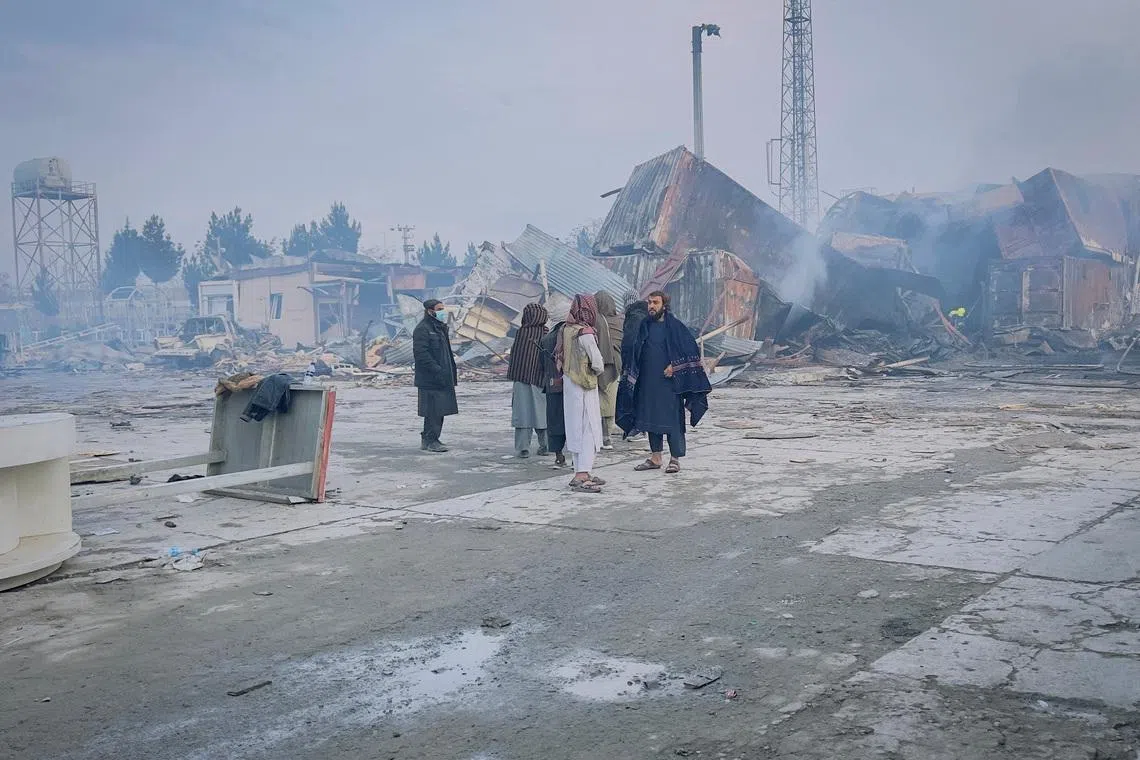
- Amnesty International called for Pakistan's March 16 air strike on Kabul's Omid Rehabilitation and Treatment Center—killing at least 269 civilians—to be investigated as a possible war crime, finding no evidence supporting Pakistan's claim the site stored weapons or ammunition.
- Amnesty analyzed 60+ photos and videos, 30+ satellite images, and conducted 11 interviews, concluding that none of the footage—including videos released by Pakistan's military—showed conclusive evidence of weapons, ammunition, or secondary explosions consistent with an arms depot.
- Pakistan's military used precision-guided munitions including at least one Takbir bomb in the strike, a finding consistent with Pakistani military statements and suggesting the attack was a deliberate targeting decision rather than a mishap.
- The Omid Center, established in 2016 on a former NATO base site and expanded into a 2,000-bed treatment facility after 2021, housed more than 1,000 patients the night of the strike and displayed large local-language signboards identifying it as a rehabilitation center.
- The attack occurred around 9 p.m. during Ramadan evening prayers with no warning issued, according to Amnesty, violating the principles of distinction, precaution, and proportionality designed to protect civilians under international humanitarian law.
- UNAMA documented more than 750 civilian casualties in Afghanistan—372 killed and 392 injured—between January and March 2026, as part of cross-border hostilities between Pakistan and the Taliban that escalated in October 2025.
- Pakistan's Ministry of Foreign Affairs did not respond to Amnesty's July 9 request for details on any targeting investigation or evidence substantiating Information Minister Attaulah Tarar's claim that the site was "technical support infrastructure and ammunition storage."
Why it matters: With at least 269 civilians killed at a clearly-marked, decade-old medical facility and precision-guided munitions suggesting deliberate targeting, Pakistan faces mounting pressure to conduct a transparent investigation under international humanitarian law—including potential command-responsibility prosecution. The documented 750+ Afghan civilian casualties in just three months signals an escalating pattern of cross-border strikes that accountability mechanisms have so far failed to constrain.
Ask SkimNews