Why Antarctic Melt Makes Sea Level Projections So Uncertain — SkimNews
Get the Energy newsletter
Daily energy & climate — solar, EVs, oil, the policy fights and tech bets shaping the transition. Free.
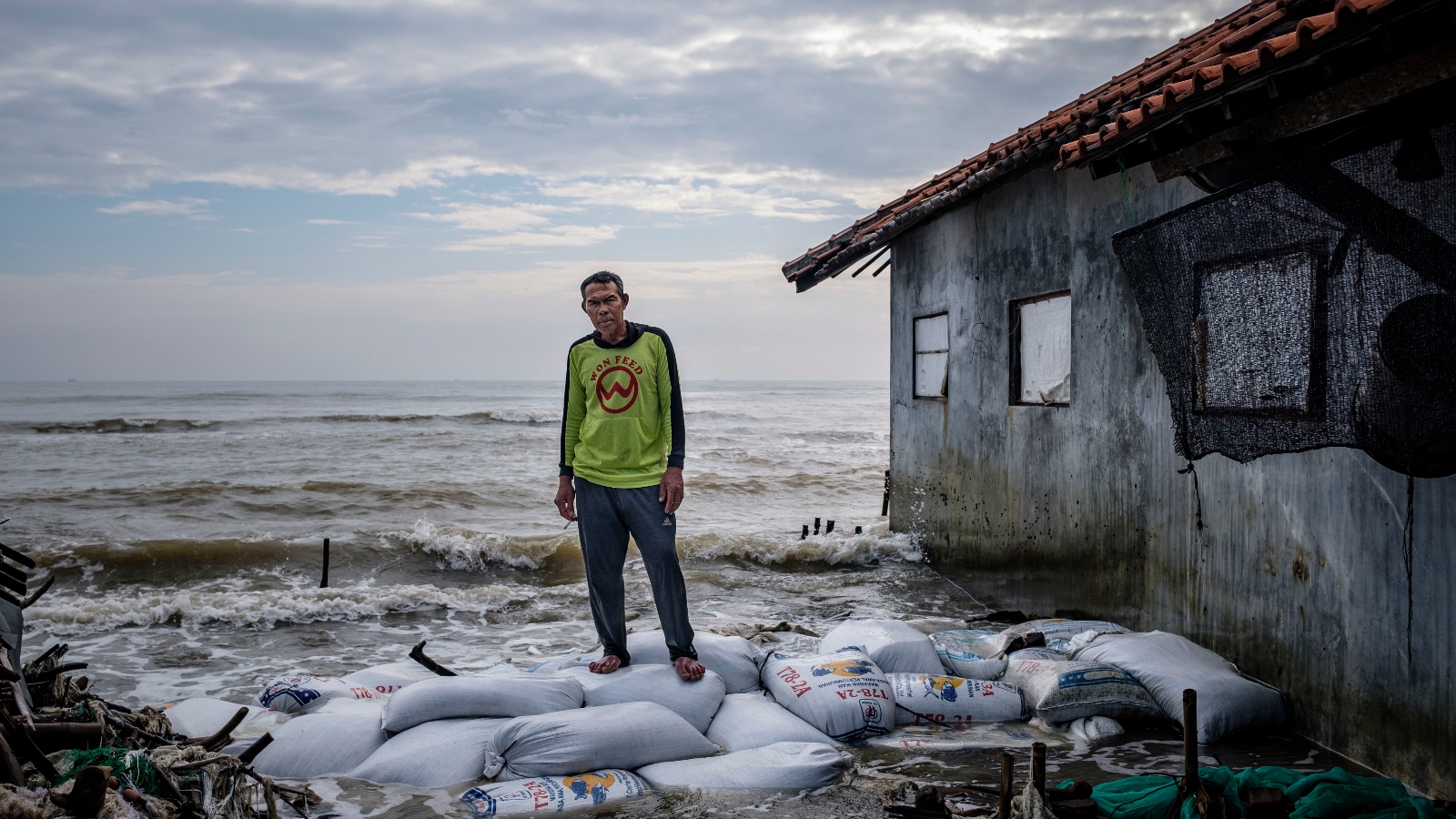
- Global sea levels have risen at least 20cm since 1901, with the rate accelerating from roughly 1mm per year for most of the 20th century to 4mm per year over 2006-18, according to the article.
- The IPCC's AR6 projects sea levels will "likely" rise 44–76cm by 2100 versus the 1995-2014 average under a medium-emissions scenario, but warns that rise above this range cannot be ruled out due to "deep uncertainty linked to ice sheet processes."
- Antarctica holds 88% of Earth's remaining land ice, with Greenland accounting for almost all the rest and mountain glaciers collectively less than 1%, making Antarctic dynamics the dominant variable in long-term sea level forecasts.
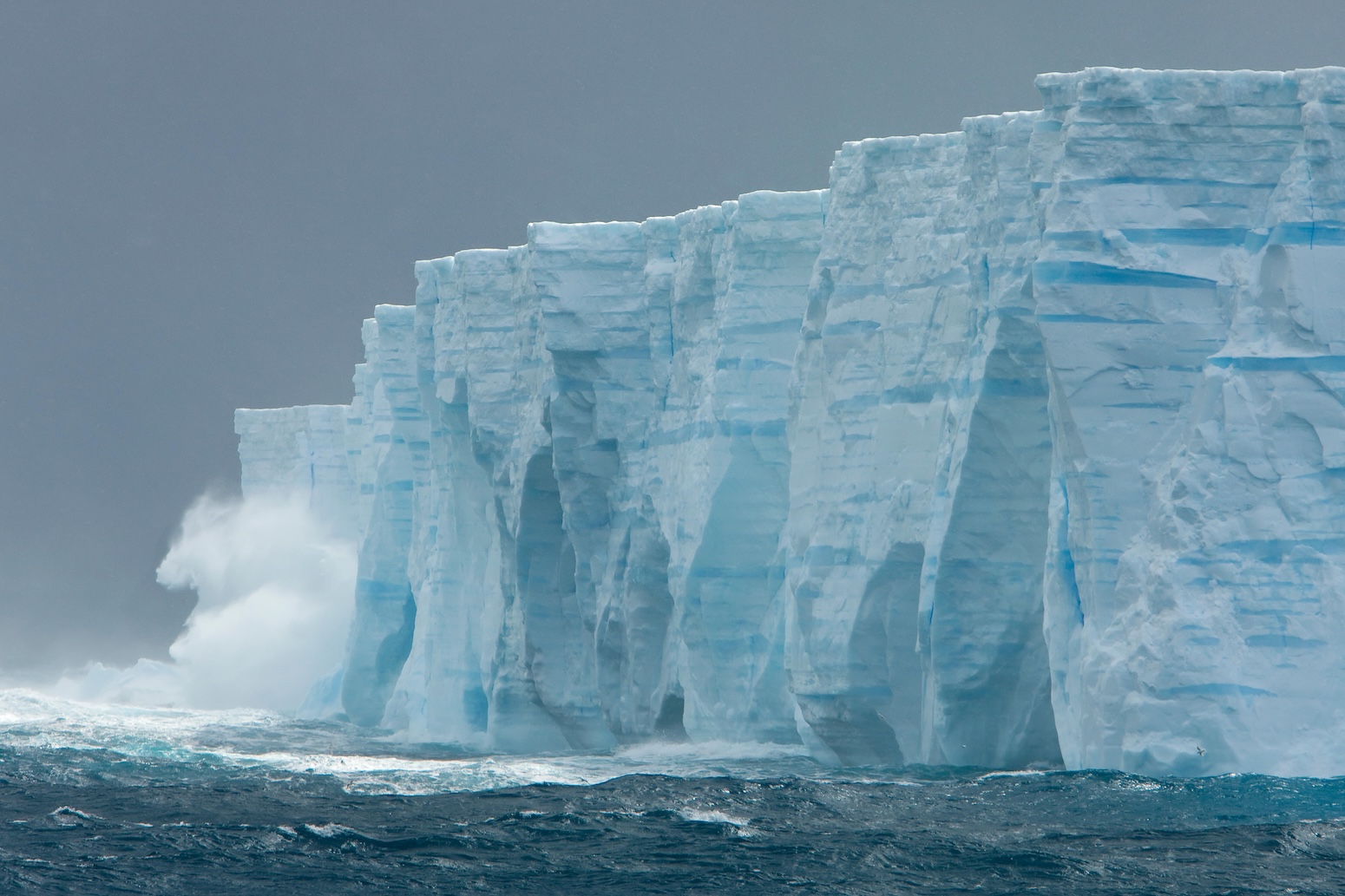
- Most of Antarctica's contribution to sea level rise comes from glaciers pushing into the sea and melting from below as warm ocean water intrudes into cavities on the underside of floating ice shelves — a process called basal melting.
- Grounding lines — boundaries between grounded and floating ice — can retreat in a potentially runaway fashion, but the bedrock beneath Antarctica's coast has not yet been precisely mapped in many places, limiting model accuracy.
- The 2002 collapse of the Larsen-B ice shelf on the Antarctic Peninsula led to accelerated glacial flow and contributed to dramatic glacial retreat two decades later, illustrating the real-world stakes of ice shelf instability.
- Researchers are still debating whether "marine ice cliff instability" — a potential runaway collapse of ice cliffs exceeding 100m tall once exposed by disintegrating ice shelves — is likely to occur this century.
- A 2024 review found large gaps in scientific understanding of ice shelf stability, and there is currently no consensus on how rapidly various Antarctic ice shelves might collapse.
Why it matters: Coastal planners, insurers, and governments face a planning problem: the IPCC's "likely" range (44–76cm by 2100) is wide enough that infrastructure built today could be undersized or stranded, while the article documents that low-likelihood but physically plausible runaway processes could push rises well beyond that range. The bottleneck is not physics of warming oceans — it's that Antarctic bedrock is unmapped, ice-ocean interactions resist modeling, and scientists openly disagree on the pace of ice shelf and cliff collapse.
Ask SkimNews