Durham finds stable proteins that boost LAMP speed — SkimNews
Get the Health newsletter
Daily health & science — research, biotech, public health, the studies worth knowing. Free.
- Durham University led a multinational team that mined genetic material from Icelandic volcanic lakes and North Atlantic deep‑sea vents to find novel DNA‑binding proteins.
- The newly identified proteins demonstrated exceptional thermal, pH, and salinity stability, remaining functional under conditions that denature most enzymes.
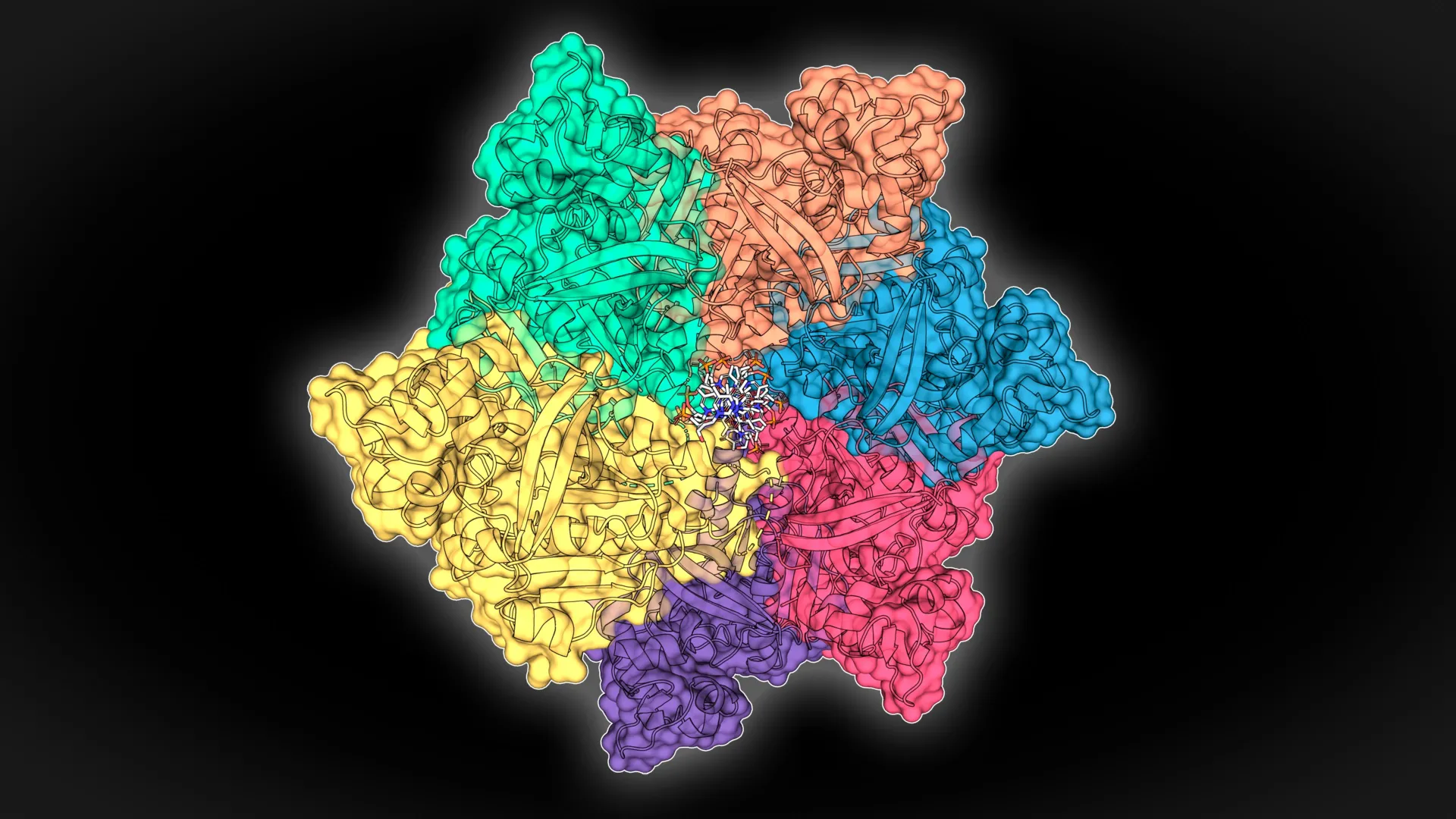
- High‑resolution structural analysis revealed the three‑dimensional architecture of the proteins, enabling insights for protein design and AI modeling.
- A specific DNA‑binding protein enhanced loop‑mediated isothermal amplification (LAMP) tests, accelerating reaction speed and boosting sensitivity for SARS‑CoV‑2 RNA and other pathogen DNA.
- Professor Ehmke Pohl announced plans to expand the protein library and develop LAMP diagnostics for neglected tropical diseases such as leishmaniasis and Chagas disease.
- ArcticZymes partnered with the research team to explore commercial uses of the extreme‑environment proteins.
Why it matters: Diagnostic manufacturers now have a protein that makes LAMP tests faster and more sensitive, improving pathogen detection including SARS‑CoV‑2; health providers in resource‑limited settings gain more reliable rapid testing, while biotech firms such as ArcticZymes can commercialize ultra‑stable enzymes, reshaping the market for diagnostic reagents.
Ask SkimNews