Fed Stays Idle Amid Iran‑Driven Spike and Weak Jobs — SkimNews
Get the Finance newsletter
Daily finance — markets, central banks, M&A, the prints that move money. Free.
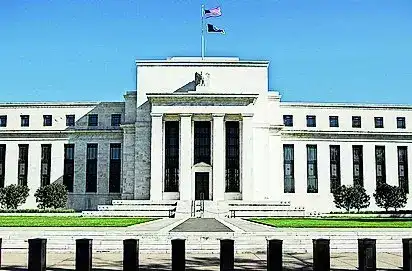
- Federal Reserve will meet on March 17‑18 to set policy, but analysts say it will likely stay on the sidelines as the Iran conflict and a weak February jobs report raise stagflation concerns.
- Gasoline prices hit their highest level in two years after the Iran war began, adding to inflation pressure that is already above the Fed’s 2% target.
- U.S. job growth in February recorded a surprising plunge, undermining expectations of a soft‑landing labor market.
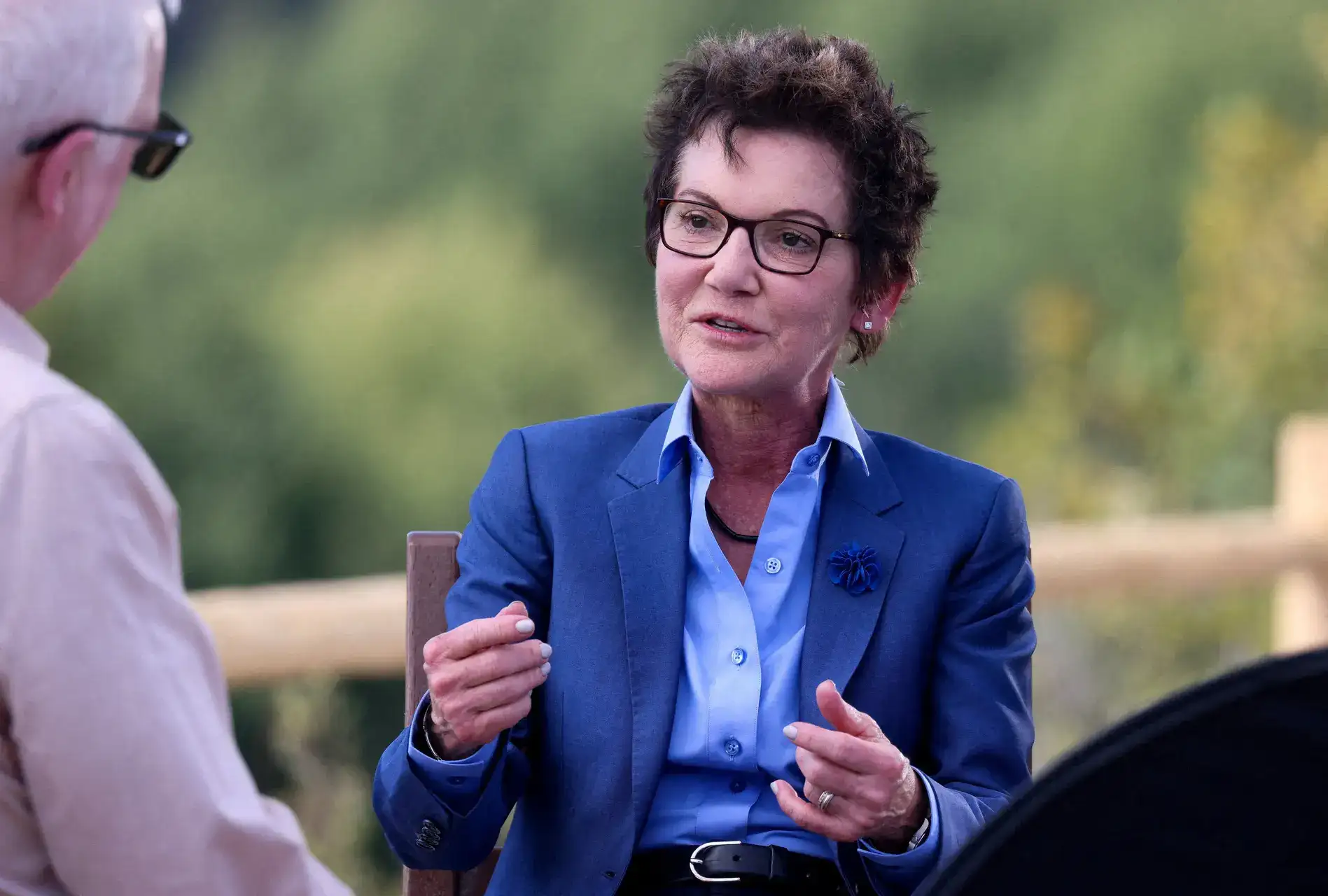
- Beth Ann Bovino, chief U.S. economist at U.S. Bank, warned that the combination of the Middle‑East conflict and the weak jobs data could push the U.S. economy into stagflation.
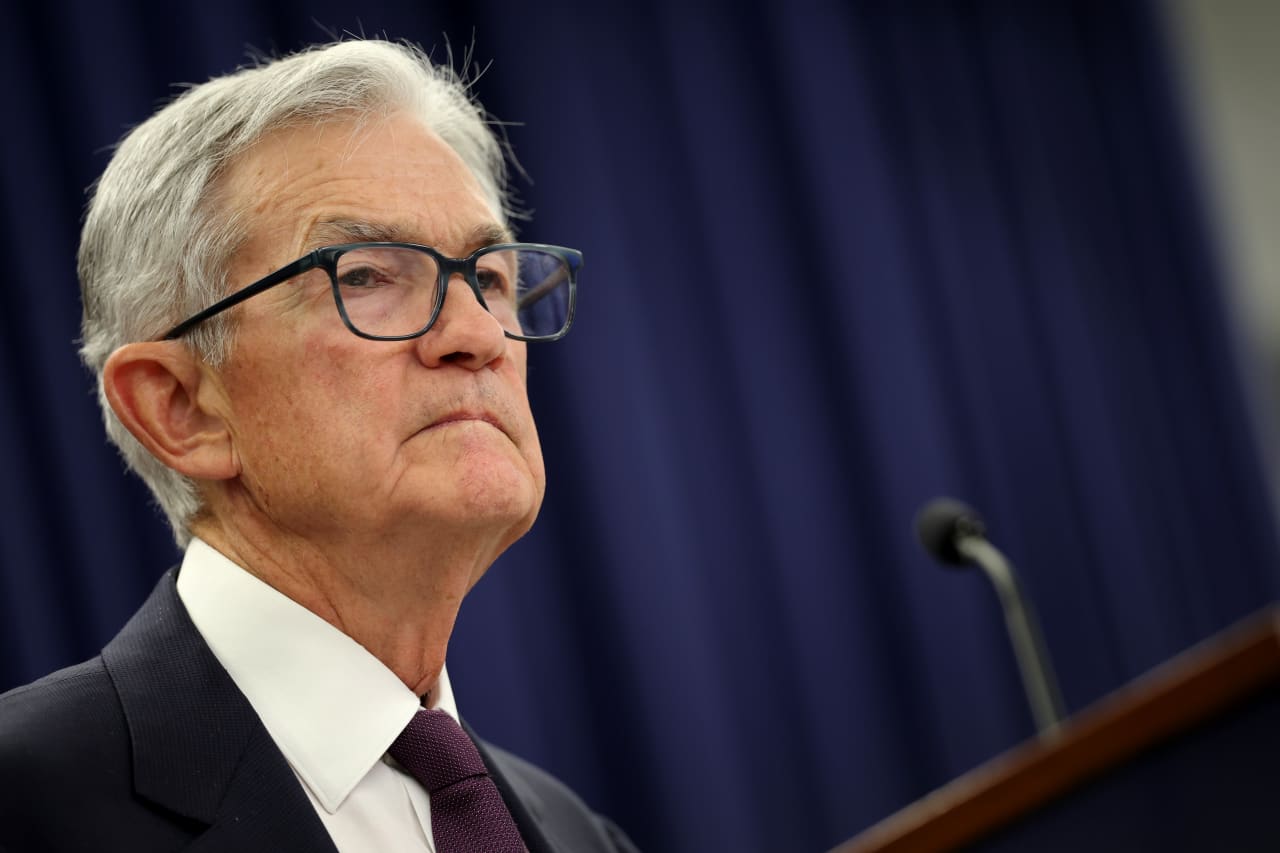
- Austan Goolsbee, Chicago Fed President, called stagflation the “worst‑case scenario” for the central bank because there is no obvious monetary‑policy solution.
- Richard Moody, chief economist at Regions Financial, said the Fed is “sitting on the sidelines” and that the minutes of the January meeting show strong resistance to further rate cuts.
- Thomas Simons, chief U.S. economist at Jefferies, indicated that a modest rate cut could be possible in April if inflation pressures ease.
Why it matters: Borrowers keep current borrowing costs as the Fed stays idle, but consumers face higher fuel prices that could push inflation further above target, eroding purchasing power. Meanwhile, investors and bond markets lose the near‑term rate‑cut outlook, limiting potential price gains and forcing a reassessment of risk.
Ask SkimNews