Indonesia to deploy 8,000 troops to Gaza Board of Peace — SkimNews

Get the Geopolitics newsletter
Daily geopolitics — wars, elections, sanctions, the diplomatic moves that move markets. Free.
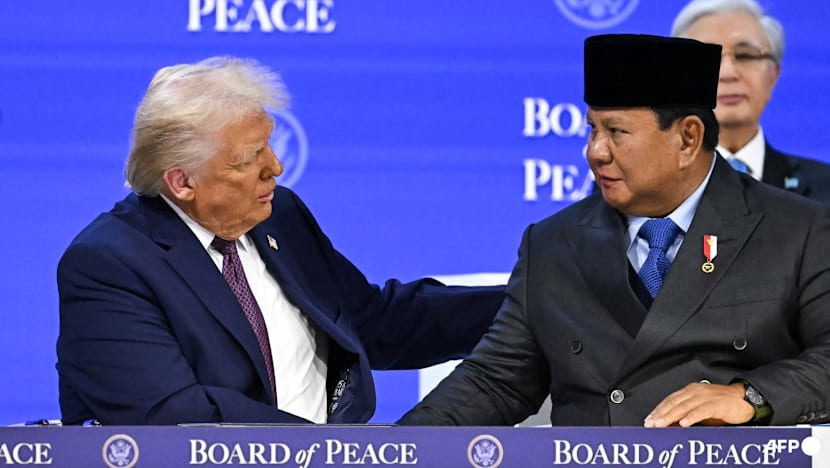
- Prabowo Subianto's government announced on February 10 that Indonesia is preparing to deploy up to 8,000 troops to a proposed multinational Gaza stabilisation force under Trump's Board of Peace (BoP).
- The troop commitment forms part of Jakarta's decision to join the BoP framework, an initiative conceived and driven by Trump that sits outside established UN and ASEAN multilateral structures.
- The 'Free and Active' doctrine — Indonesia's diplomatic backbone since the Djuanda Declaration and Bandung Conference — risks erosion through alignment with a leader known for transactional diplomacy and disregard for international consensus, the author argues.
- Diverting a full brigade of capable units to Gaza would stretch military readiness at a time of rising tensions in the North Natuna Sea and intensifying Indo-Pacific competition, the piece warns.
- Gaza's volatile landscape, including the so-called "Axis of Resistance," means Indonesian forces could be perceived as extensions of Western-backed security arrangements and become operational targets, according to the analysis.
- Constitutional and moral tension: Indonesia's rejection of colonialism clashes with participation in a framework led by the architect of the US embassy relocation to Jerusalem, threatening Jakarta's standing in the OIC and UN forums on Palestinian statehood.
- Financial and oversight concerns: sustaining thousands of troops in a devastated enclave would impose hidden costs on Indonesia's budget while domestic economic stimulus is needed, with the author flagging an absence of robust parliamentary debate.
Why it matters: Indonesia's commitment of up to 8,000 troops — a full brigade of capable units — to a Trump-driven framework outside UN command risks eroding Jakarta's standing as a neutral mediator in the OIC and ASEAN, the source argues, while diverting military focus from the contested North Natuna Sea and binding Jakarta's foreign policy to a single, polarising political figure.
Ask SkimNews