UK emissions drop 2.4% in 2025 to 150-year low — SkimNews

Get the Energy newsletter
Daily energy & climate — solar, EVs, oil, the policy fights and tech bets shaping the transition. Free.
- UK greenhouse gas emissions fell 2.4% (8.9 MtCO2e) in 2025 to 364 MtCO2e, the lowest level since 1872, putting the country 54% below 1990 levels while GDP has nearly doubled since then.
- UK coal use dropped roughly 56% in 2025 to just under 1 million tonnes — the lowest level since 1600, down 97% from 2015 and 99.6% below the 1956 peak of 221 Mt.
- UK gas demand fell 1.5% to its lowest level since 1992, driven by roughly equal contributions from lower building heat and industrial use, helped by record-high temperatures and elevated gas prices.
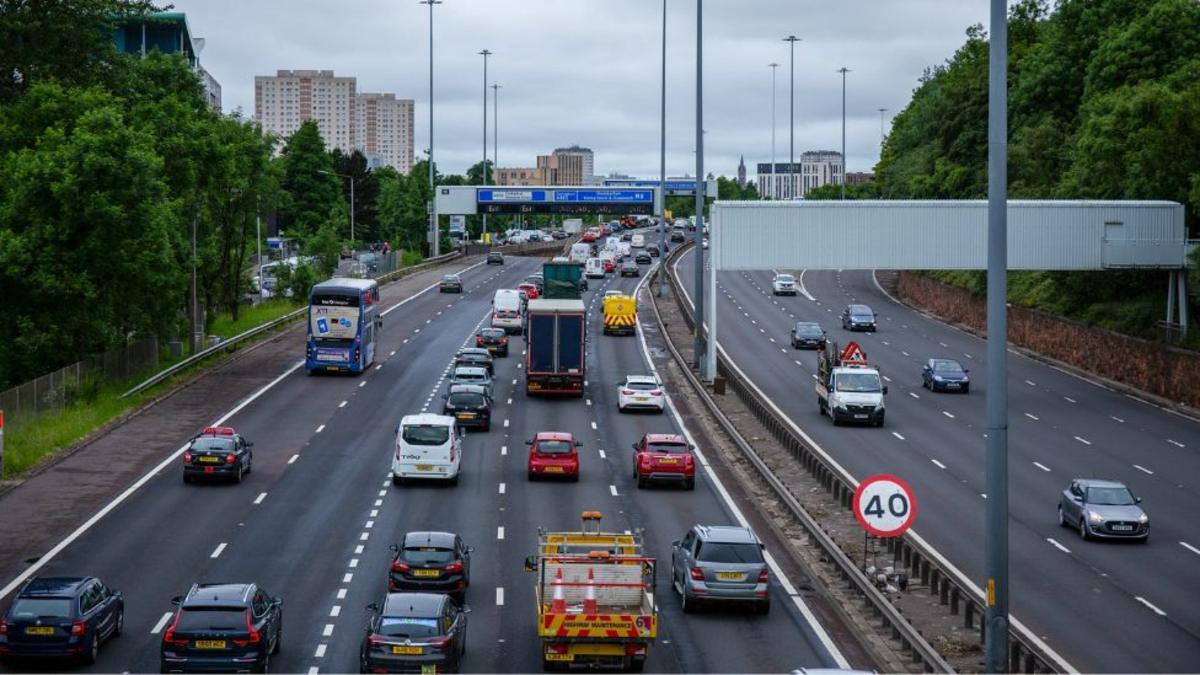
- Oil-related demand fell 0.9% despite traffic rising about 1%, aided by 700,000 new electric vehicles joining UK roads in 2025, bringing the total electrified fleet to nearly 3 million vehicles cutting emissions by more than 7 MtCO2 annually.
- The UK's last coal-fired power plant at Ratcliffe-on-Soar in Nottinghamshire closed in September 2024, contributing nearly three-fifths of the 2025 coal demand drop, with another third coming from steel industry slowdowns at Port Talbot and Scunthorpe.
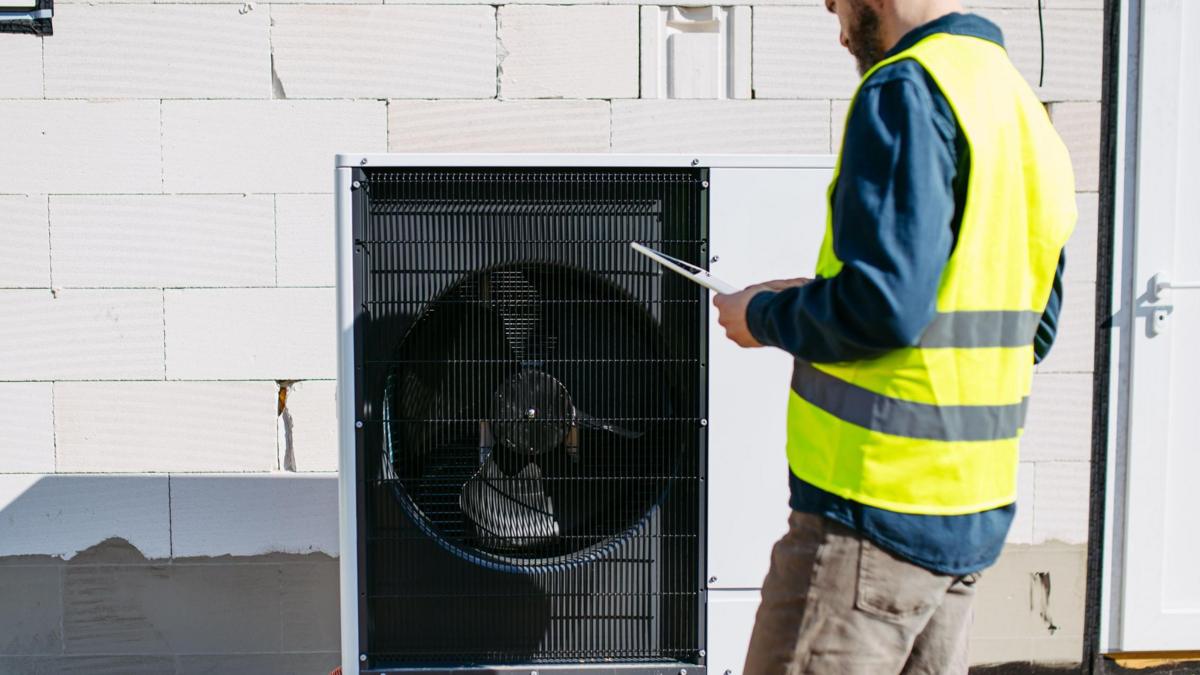
- Domestic heat pump sales rose 25% in 2025 to 125,000 units, though the UK still trails other European nations; total installations of roughly 450,000 are cutting emissions by about 0.7 MtCO2 per year.
- The 2.4% annual cut is only slightly more than half of the 15 MtCO2e per year the UK needs to cut on average through 2050 to meet its legally binding net-zero target.
Why it matters: The 2025 cut of 2.4% is barely half the 15 MtCO2e/year pace the UK needs to maintain through 2050 to hit its net-zero target — and with coal power already phased out, the remaining burden falls on transport (30% of emissions), buildings, and industry. Heat pump adoption is rising 25% annually, but the UK's 125,000 sales still lag European peers.
Ask SkimNews