OpenAI's Pentagon Deal Softens Anthropic's Rejected Terms — SkimNews

Get the Tech newsletter
Daily tech — startups, AI labs, chips, the launches that shape the next decade. Free.
- OpenAI announced on February 28 a deal allowing the US military to use its technologies in classified settings, with CEO Sam Altman saying the company only began pursuing negotiations after the Pentagon's public reprimand of Anthropic, and that talks were "definitely rushed."
- The core split: Anthropic pushed for specific contractual prohibitions, while OpenAI cited applicable laws and policies — a legal-compliance approach Altman called more practical but that ultimately gives the Pentagon more latitude on autonomous weapons and surveillance.
- OpenAI's contract excerpt gives it no "free-standing right to prohibit otherwise-lawful government use," wrote George Washington University law school's Jessica Tillipman — it simply says the Pentagon can't use the tech to break laws as they exist today.
- OpenAI claims a second safeguard — embedding red lines against mass surveillance and autonomous weapons directly into model behavior, per employee Boaz Barak — but the company hasn't specified how military rules differ from consumer ones, and is rolling this out in classified settings for the first time.
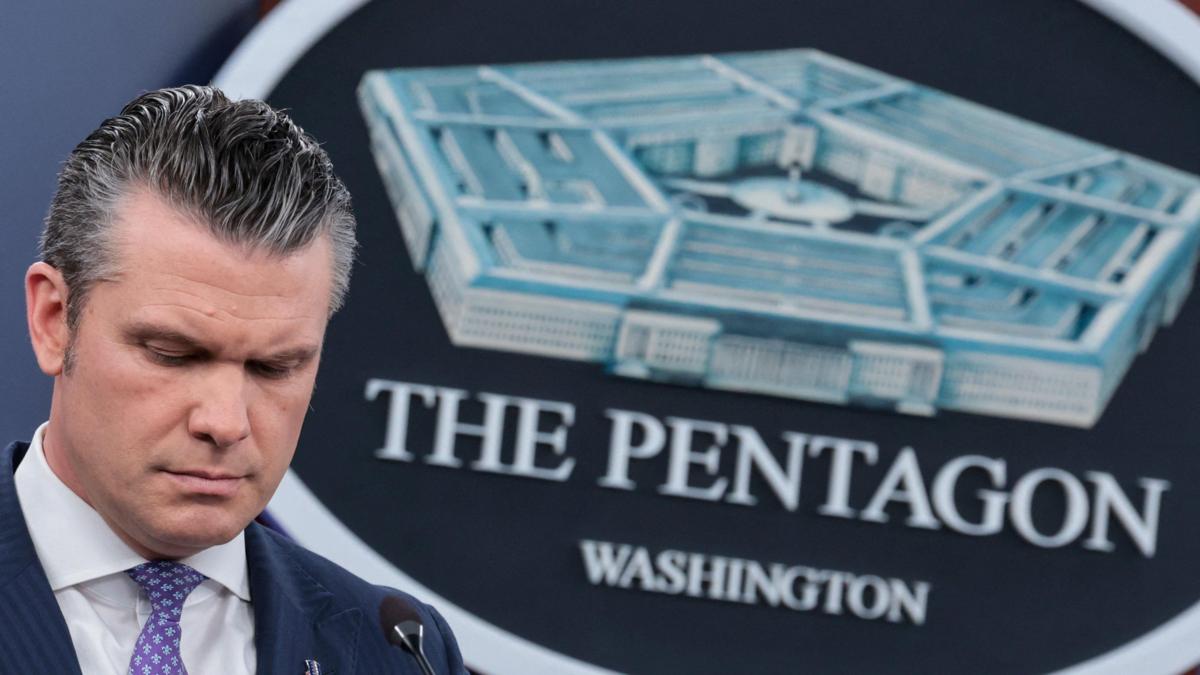
- Defense Secretary Pete Hegseth called Anthropic's stance "arrogance and betrayal" on X, ordered the government to cease working with it, and classified it as a "supply chain risk" barring any military contractor from doing business with the company — a move Anthropic says it will sue over and OpenAI has publicly opposed.
- The Pentagon has six months to swap Claude — the only AI model actively used in classified operations, including in Venezuela — for OpenAI and xAI models, but Claude was reportedly used in strikes on Iran hours after the ban was issued.
Why it matters: The Pentagon now has effective leverage to dictate terms to AI vendors: Anthropic's principled stand got it labeled a supply chain risk, while OpenAI's law-based approach won the classified contract. A six-month phase-out from Claude to OpenAI and xAI is unfolding during active strikes on Iran, meaning AI models are now embedded in ongoing military operations with guardrails limited to existing law — not contractual red lines.
Ask SkimNews