EV Owner: $617 to Charge 14,000 Miles on Home Solar — SkimNews
Get the Energy newsletter
Daily energy & climate — solar, EVs, oil, the policy fights and tech bets shaping the transition. Free.
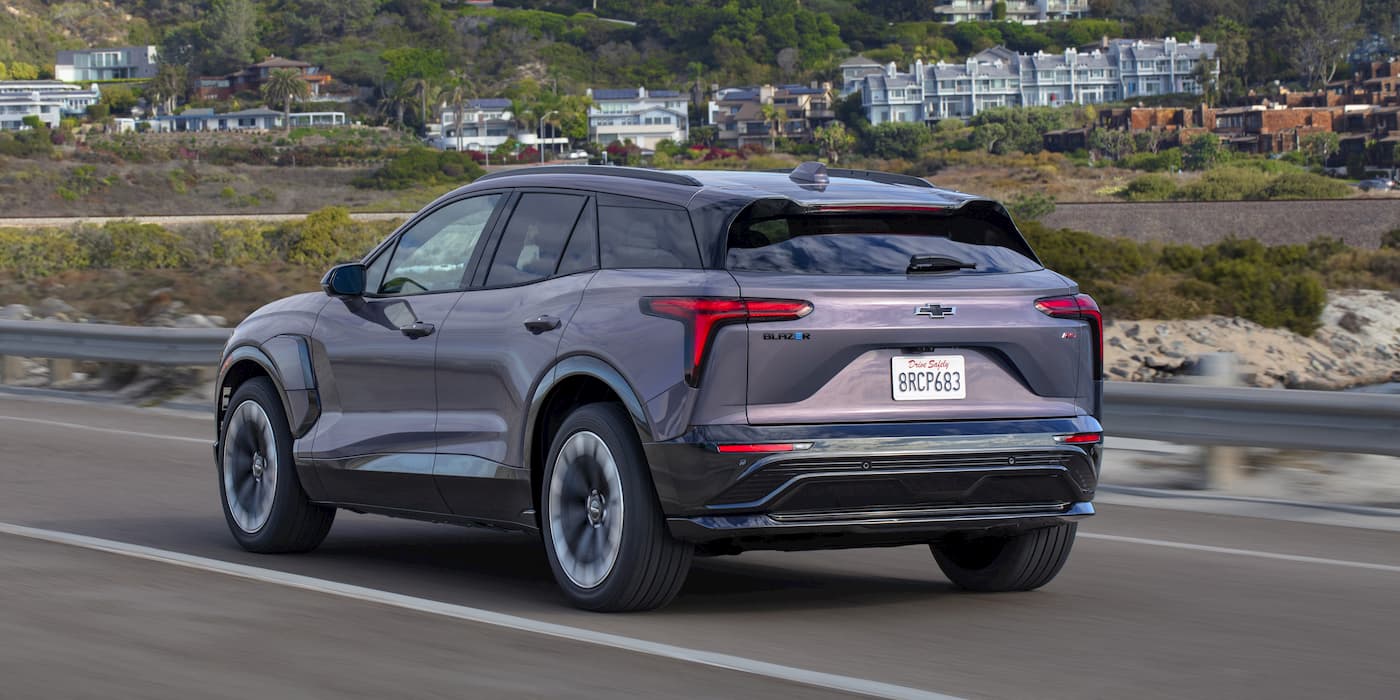
- KSteem logged 14,480 miles over two years in his 2024 Chevy Blazer RS AWD EV, averaging 3.4 miles/kWh, and spent $617.65 on charging at an average rate of $0.15/kWh.
- His fueling cost was roughly one-half to one-third of an ICE Blazer's: about $1,400 at 30 mpg or $2,100 at 20 mpg for the same mileage, versus his $617.65.
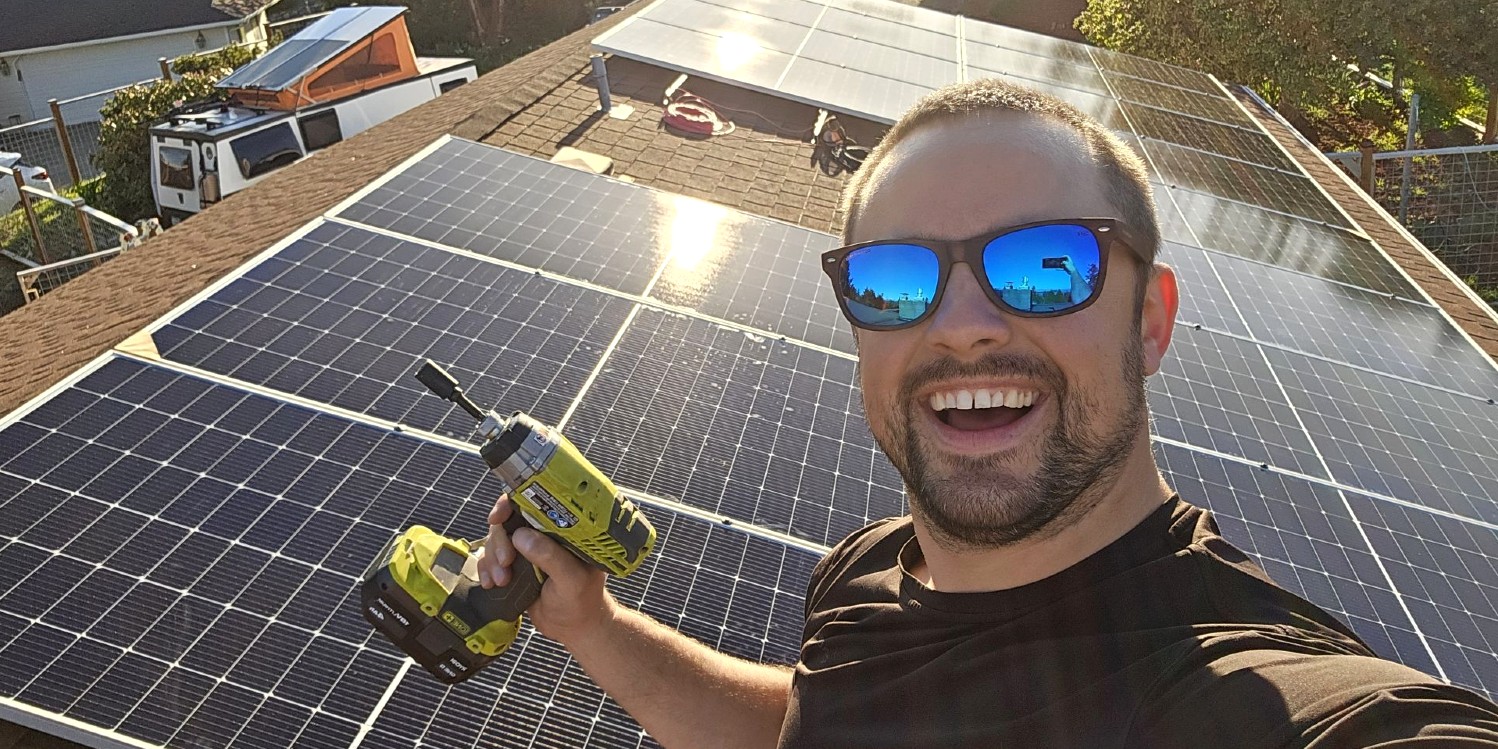
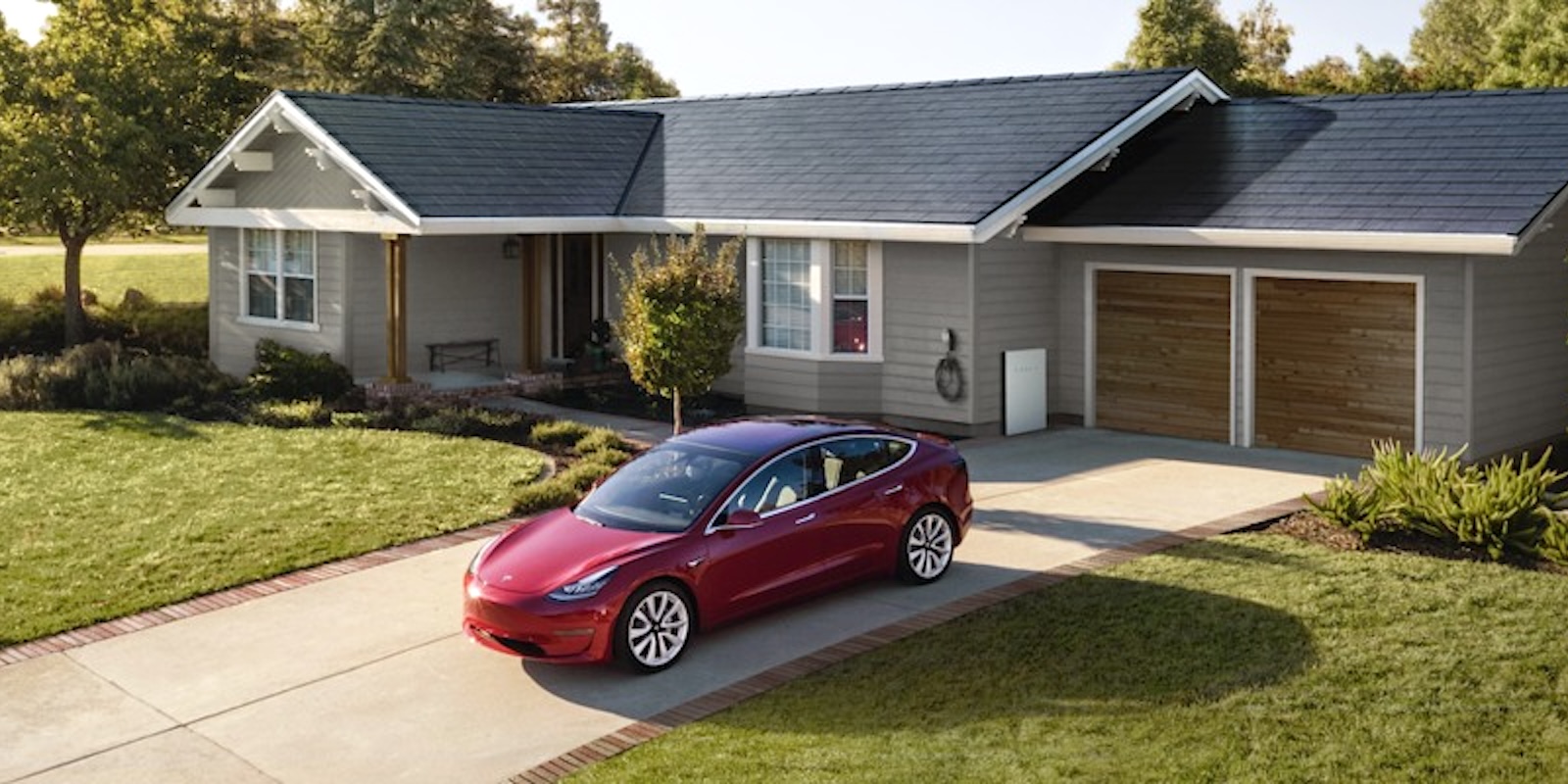
- KSteem's home solar system generated approximately 17.5 MWh in 2025, cutting his household energy bills by about $2,300 and producing roughly 2,042 more kWh than his Blazer consumed that year.
- The only maintenance the Blazer needed in two years was a tire rotation; he cites further savings from no oil changes, longer-lasting brake pads (regenerative braking), and the absence of tailpipes, mufflers, spark plugs, and catalytic converter replacement.
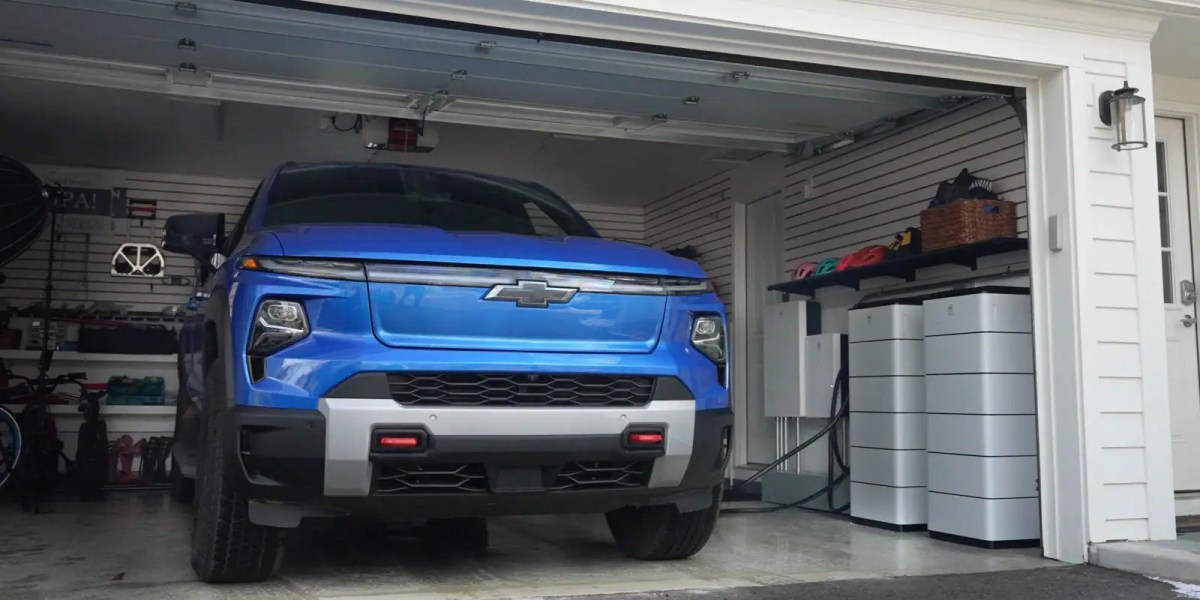
- KSteem installed a Level 2 Autel charger on a 50-amp 220V dedicated line, restoring about 33 miles of range per hour and a full ~285 miles overnight; he has used public chargers only three times in over six years of EV ownership.
- Top commenter Oliver installed 29 south-facing solar panels for about $25,000 after rebates, replaced both household ICE vehicles with BEVs, and now pays roughly $16/month on electric bills (fees and taxes only) — projecting full payback within 1.5 more years.
Why it matters: KSteem's numbers translate the EV-plus-solar pitch into line-item savings: roughly $780-$1,500 in fuel costs avoided over two years versus an ICE Blazer, plus $2,300 shaved off 2025 household energy bills — with the solar array actually producing more electricity than the car used. For homeowners weighing the combined investment, the data point shows that an EV can be a near-free byproduct once a rooftop array is already sized to cover it.
Ask SkimNews