Kyiv heat crisis after Russian strikes, $100M scandal — SkimNews

Get the Geopolitics newsletter
Daily geopolitics — wars, elections, sanctions, the diplomatic moves that move markets. Free.
- DSNS runs six military‑green tents in Kyiv’s Troieshchyna neighborhood, where a generator has been operating three days straight to power emergency heating stations for residents whose homes are cold.
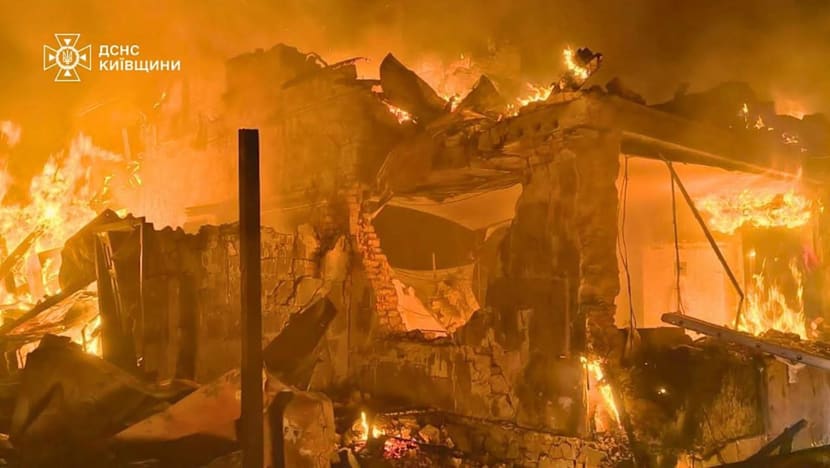
- Russia intensified its attacks on Ukraine’s energy grid in 2026, launching a massive overnight strike on Jan 9 that used a nuclear‑capable Oreshnik missile and left four dead, 25 injured, and 6,000 Kyiv residential buildings without heat.
- Mayor Vitalii Klitschko reported that as of March 2, 1,100 apartments in Kyiv still lack heating and are expected to remain without it for the rest of the heating season.
- DTEK deployed more than 1,000 workers, aided by crews from other regions and Ukrainian Railways, to restore heat across the city despite repeated Russian strikes setting back repairs.
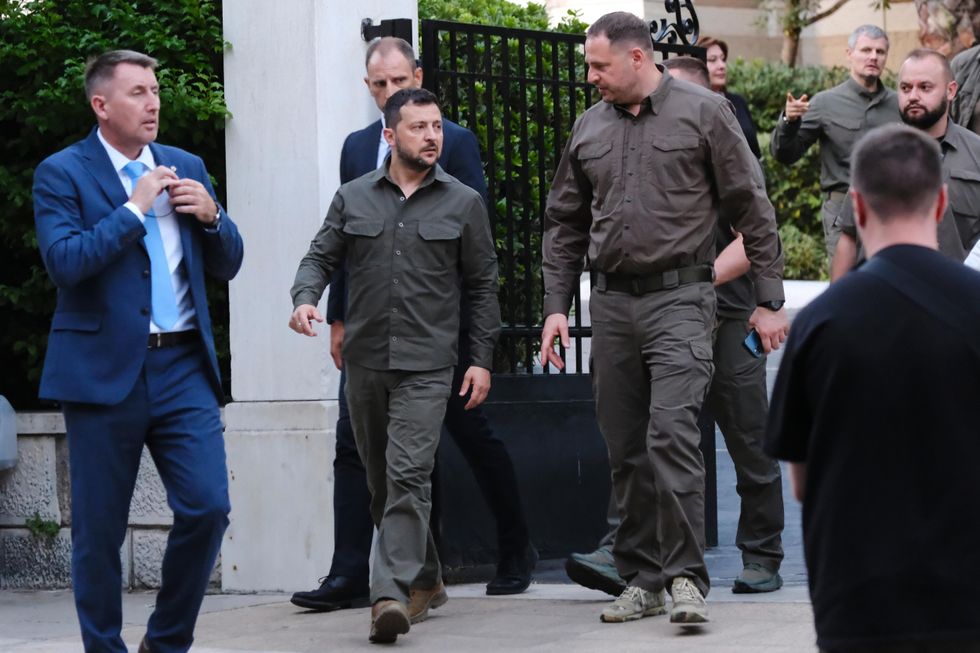
- NABU uncovered a $100 million embezzlement scheme in the energy sector, alleging kickbacks and money‑laundering by officials and naming businessman Timur Mindich as the mastermind, who fled to Israel before charges.
- Timur Mindich’s alleged scheme prompted the resignations of Justice Minister German Galushchenko and Energy Minister Svetlana Grinchuk, while a Kyiv International Institute of Sociology poll found 42 % of Ukrainians think all politicians are tainted by war and corruption.
- Anatoly, a DSNS commander, provides food, tea and a Starlink connection in the heating tents, and evacuates residents to basements during air‑raid sirens, despite the generator’s frequent stalls.
Why it matters: Kyiv’s citizens lose heat and safety, while the $100 million embezzlement drains funds meant for grid repairs, weakening the city’s ability to withstand Russian attacks and risking alienation of Western donors who demand transparent use of aid and future reconstruction projects.
Ask SkimNews