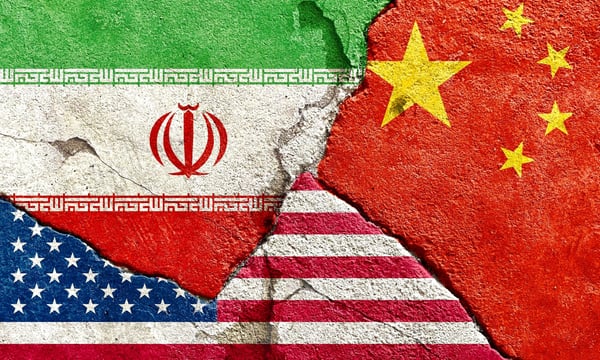
Iran War: A Net Negative For China, But Only Barely — SkimNews

Get the Geopolitics newsletter
Daily geopolitics — wars, elections, sanctions, the diplomatic moves that move markets. Free.
- China had committed to investing up to $400 billion in Iran under a 2021 oil-for-investment deal, but had only deployed a small fraction before the war began, with University of Pennsylvania analyst Aaron Glasserman noting "Iran needs China, but China does not need Iran."
- Iran supplied roughly 13% of China's oil imports at discounted prices, but China has ten times more trade with Saudi Arabia, and a short-term Strait of Hormuz closure is buffered by a 100–120 day strategic petroleum reserve and tankers reportedly still getting through.
- China did nothing substantial to help Iran militarily — officials denied reports of supplying anti-ship missiles — while Chinese international relations scholar Shi Yinhong conceded that US military power is "superior" and its "methods of warfare have further evolved."
- The US military is diverting resources to the Gulf by pulling THAAD and Patriot batteries from South Korea, a Japan-based amphibious assault ship, and 2,000 Marines, while burning through precision munitions stocks (including Tomahawks, JASSMs, and Mk-48 torpedoes) that would be needed for a Taiwan conflict and would take two-plus years to replenish.
- China's 2023 brokering of a Saudi-Iran reconciliation — once touted by Foreign Minister Wang Yi as "a major victory for dialogue and peace" — now looks "meaningless" as Gulf states reportedly urge the US not to stop bombing Iran too soon.
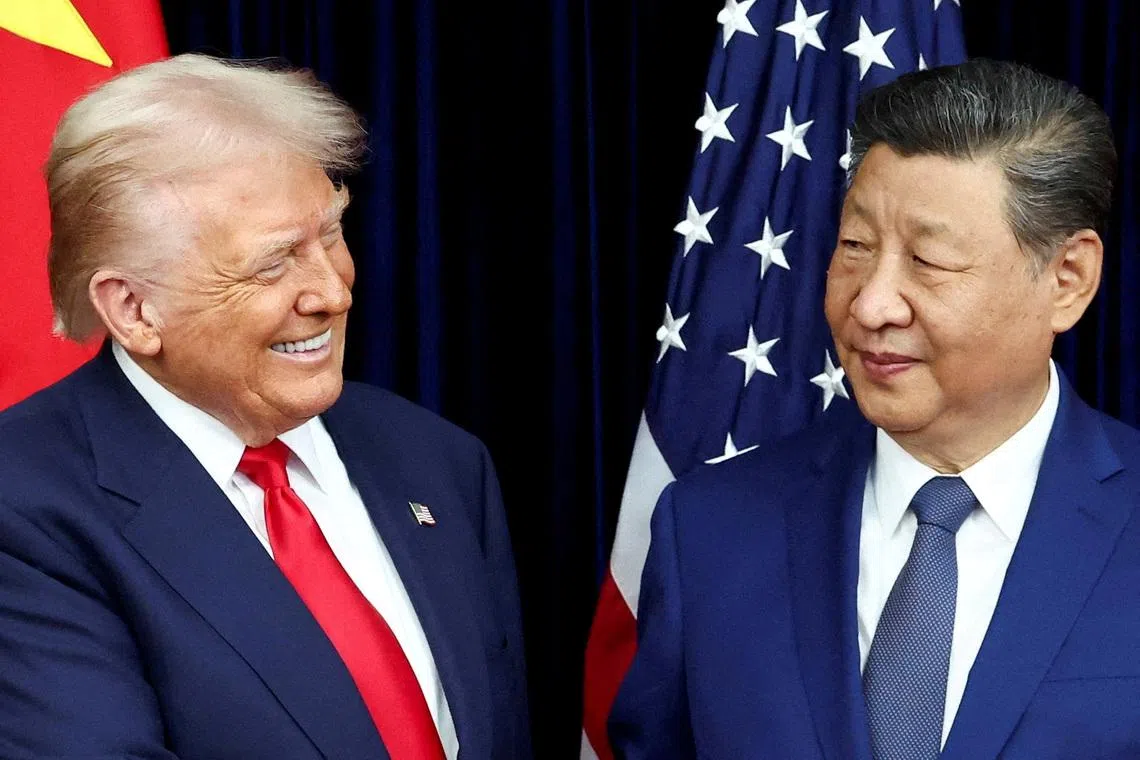
- Trump threatened on March 15 to postpone his China trip unless Beijing sent warships to help keep the Strait of Hormuz open, but Treasury Secretary Scott Bessent "clarified" the link was false — a correction that Chinese state media aggressively amplified as a "smear advanced by Western media."
Why it matters: The war reshuffles US-China leverage in measurable ways: Beijing loses face as its Iran-Saudi mediation unravels and Gulf states side with Washington, but gains from US munitions depletion (two-plus years to rebuild stocks needed for a Taiwan fight) and from Trump publicly needing Chinese cooperation on Hormuz. For Xi Jinping, the calculus rules out a Taiwan move now: a 2027 Communist Party Congress, a pending purge-shaken military high command, and the lure of a US economic deal all favor patience over war.
Ask SkimNews