Bankrupt car software firms brick owners' vehicles — SkimNews
Get the Tech newsletter
Daily tech — startups, AI labs, chips, the launches that shape the next decade. Free.
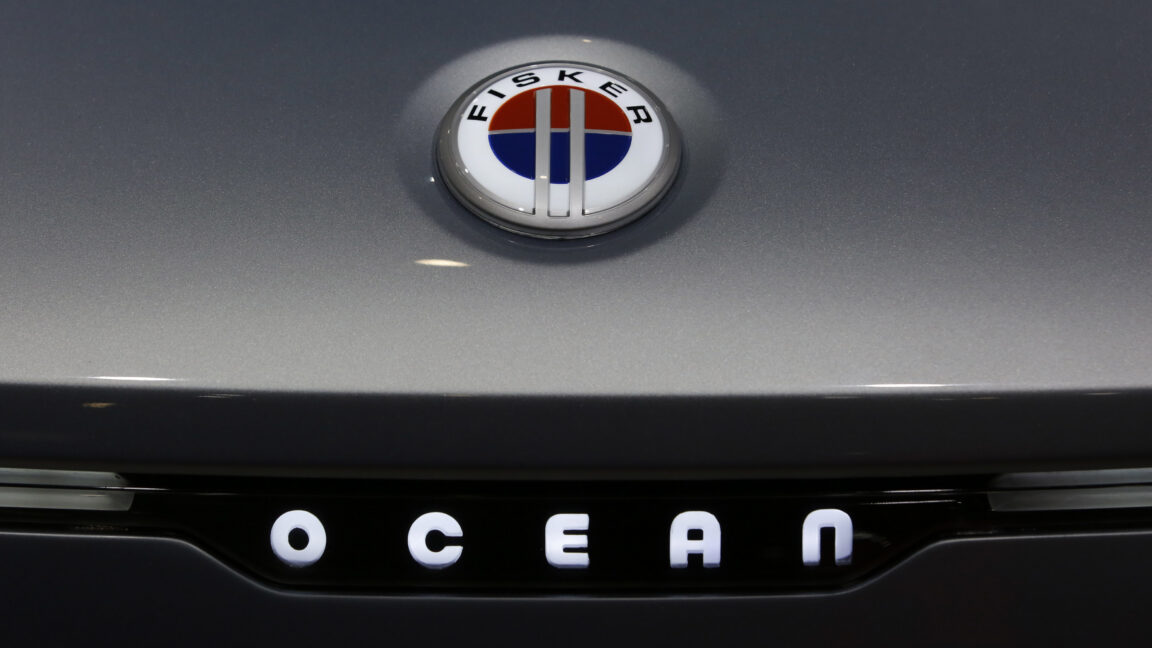
- Fisker sold only 419 Ocean SUVs in Britain at prices from £35,000 ($44,000) before filing for bankruptcy in 2024, leaving one marketing manager's Southampton vehicle stranded in her driveway for ten months after software glitches rendered it inoperable just days before insolvency.
- Better Place burned through $850 million before filing for bankruptcy in May 2013, shutting down the servers, authentication systems, and battery-swap stations that bricked Renault Fluence Z.E. sedans in Israel and Denmark.
- Stuart Masson, editor of The Car Expert, warned that when a software-defined car breaks down, "you're not dealing with a traditional service department so much as an IT help desk," and that informal owner communities reverse-engineering fixes risk dangerous outcomes like "an airbag deploying at 70 mph."
- Catena-X Managing Director Hanno Focken told Ars the collaborative data network supports software bills of materials and standardized APIs so OEMs can swap in alternative vendors when a software partner disappears — though it does not set mandatory minimum operational lifespans for vehicle software.
- Tesla and other established manufacturers may eventually drop software support for older models like a decade-old Model S, turning them into cybersecurity liabilities that, per Masson, sometimes require period-accurate laptops and interface hardware just to start — comparable to McLaren's 1990s F1 cars.
Why it matters: Used car buyers now face a new risk: an otherwise functional vehicle can become an undrivable paperweight when its software maker goes bankrupt, with no independent mechanic able to intervene. Fisker's 419 stranded British Ocean SUVs and Better Place's bricked Renault Fluence Z.E. sedans across Israel and Denmark show this is no longer hypothetical, and Masson warns even established brands like Tesla can drop support for older models.
Ask SkimNews