UCLA Study Links Chlorpyrifos to 2.5× Parkinson Risk — SkimNews

Get the Health newsletter
Daily health & science — research, biotech, public health, the studies worth knowing. Free.
- UCLA Health study found that individuals with long‑term residential exposure to chlorpyrifos had more than 2.5 times the risk of developing Parkinson’s disease compared with low‑exposure peers.
- Participants (829 Parkinson’s patients and 824 controls) were drawn from UCLA’s long‑running Parkinson’s Environment and Genes study, and exposure was estimated by linking California pesticide use records to their home and workplace locations.
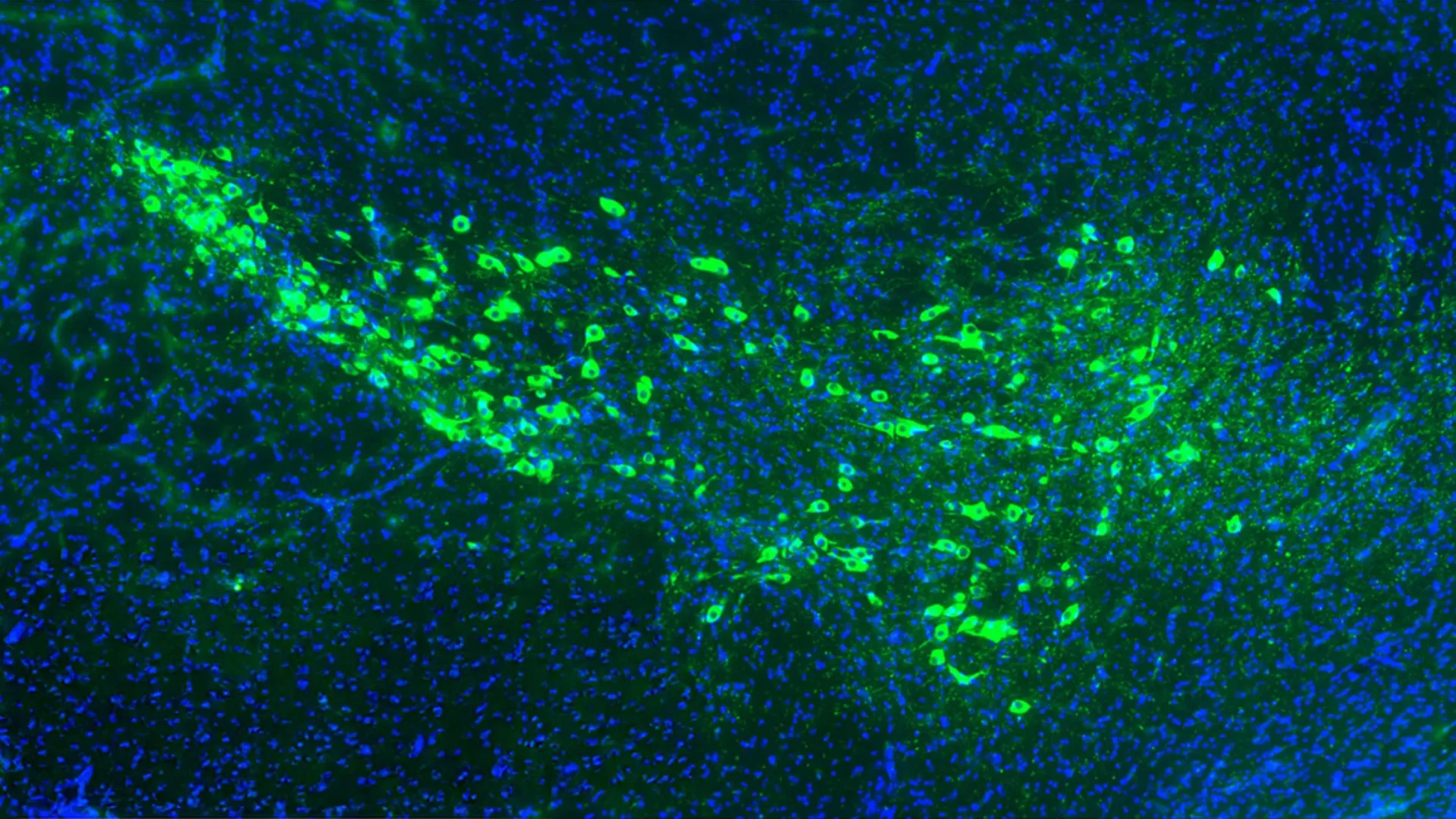
- Mice exposed to aerosolized chlorpyrifos for 11 weeks developed movement deficits, lost dopamine‑producing neurons, and showed brain inflammation and alpha‑synuclein accumulation.
- Zebrafish experiments revealed that chlorpyrifos impairs autophagy, and restoring this protein‑clearance pathway or removing synuclein protected neurons from injury.
- Chlorpyrifos residential use was banned in 2001 and agricultural restrictions were tightened in 2021, yet the pesticide remains applied on many U.S. crops and worldwide.
- Dr. Jeff Bronstein, senior author, said the study establishes chlorpyrifos as a specific environmental risk factor for Parkinson’s disease and highlights autophagy dysfunction as a potential therapeutic target.
Why it matters: Parkinson’s patients and at‑risk communities gain clearer evidence for a preventable environmental factor, while policymakers and agricultural stakeholders face pressure to tighten pesticide regulations and consider monitoring programs for exposed individuals. The discovery of autophagy dysfunction as a causal mechanism also opens therapeutic avenues, giving drug developers a new target for neuroprotective treatments.
Ask SkimNews