Cuba targets 26% renewables by 2035 as blackouts deepen — SkimNews

Get the Energy newsletter
Daily energy & climate — solar, EVs, oil, the policy fights and tech bets shaping the transition. Free.
- Cuba committed to lifting renewables to 26% of total energy supply by 2035 in its UNFCCC submission, with renewables currently supplying roughly 9% of its 3,200MW peak daytime demand.
- Venezuela halted oil shipments to Cuba in January under pressure from Trump, pushing outages to as long as 24 hours by month's end, with eastern Cuba worst affected.
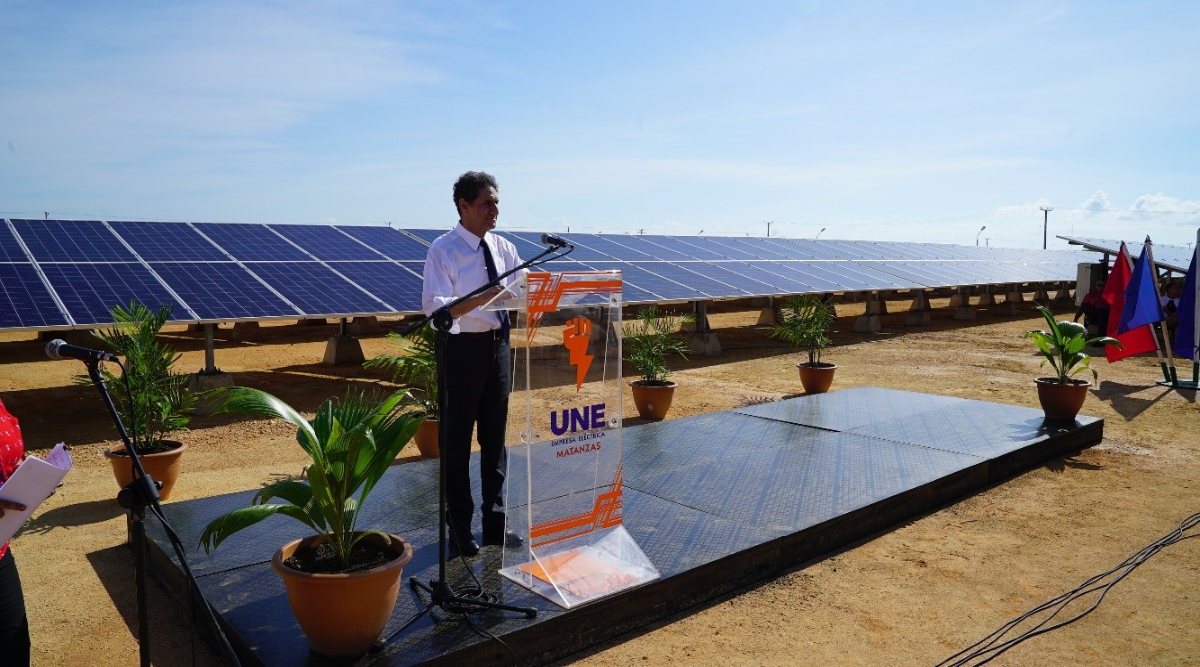
- China signed a December 2024 agreement to build seven Cuban solar parks (35MW combined) and is central to a target of 92 parks totaling 2GW by 2028; 35 were already completed by October 2025, with installed renewable capacity growing 350% during 2025.
- Economist Ricardo Torres and energy expert Jorge Piñon warned Cuba's transition requires $8-10bn over the next decade, China will not pay for everything, and the country's transmission grid currently loses about 16% of generated electricity.
- The Herradura windfarm, Cuba's largest, is expected to produce 33MW from 22 turbines with Chinese backing, with turbines slated for March installation and first power by June.
- Battery storage is the critical gap, according to Luaces solar park engineer Raúl and Piñon — peak demand hits 7-8pm when solar cannot generate, and storage is the most expensive missing component.
- The solar affordability divide is stark: a single panel costs about £100 against an average monthly salary of £10 in Camagüey, so only Havana villa owners, guesthouse operators, and remittance recipients can install rooftop systems under new emergency rules allowing individuals to sell that power to companies and public institutions.
Why it matters: Cuba's energy transition is underwritten by Chinese capital the cash-strapped island cannot repay on its own. Experts say $8-10bn over the next decade is required and the grid still loses 16% of generated power, while renewables meet only 9% of peak demand that hits after sundown — making the missing battery-storage piece the decisive bottleneck.
Ask SkimNews