Israel kills Iran spy chief, Tehran fires missiles — SkimNews

SkimNews Take
The strike strips away the very intelligence figures any deal-maker would need behind the table, leaving Iran's remaining leadership less able to enforce or even relay concessions.
Get the Geopolitics newsletter
Daily geopolitics — wars, elections, sanctions, the diplomatic moves that move markets. Free.
- Israel carried out an overnight airstrike that killed Iranian Intelligence Minister Esmail Khatib, the nation’s spy chief, marking the third high‑level assassination in about 24 hours.
- Israel previously struck Iranian security chief Ali Larijani and Basij commander Gholamreza Soleimani, and Defense Minister Israel Katz said “no one in Iran has immunity — everyone is a target.”
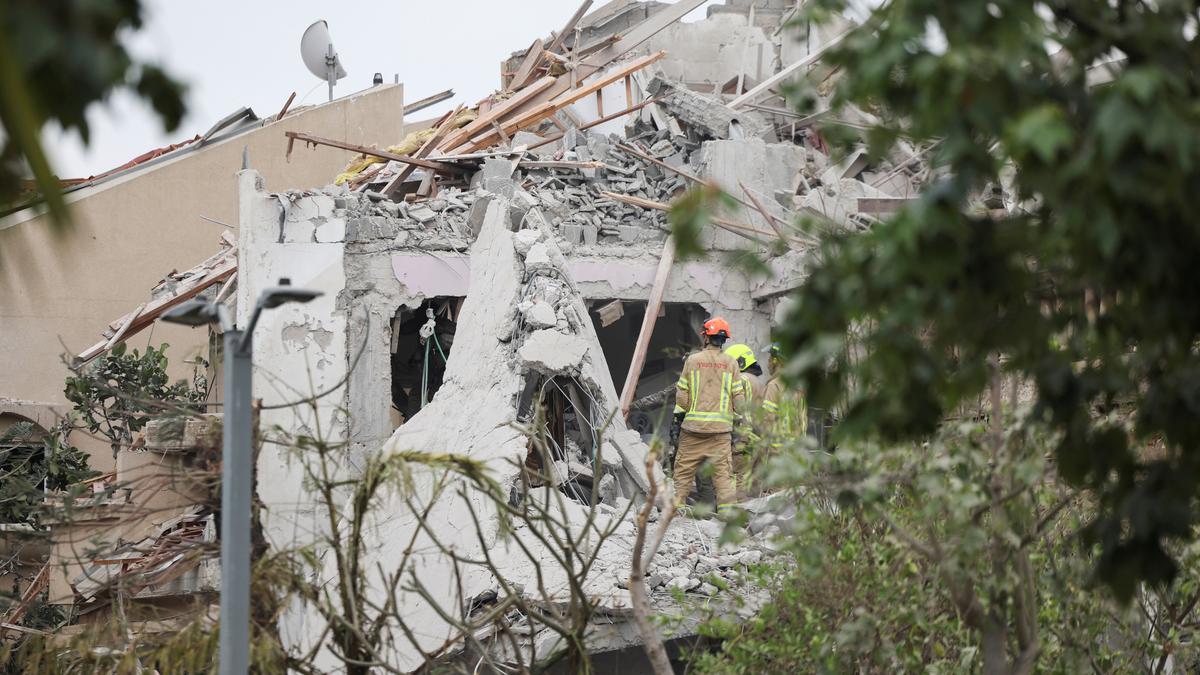
- Iran responded with renewed missile and drone attacks on Israel and U.S.-aligned countries across the Persian Gulf, disrupting energy infrastructure, halting oil and gas production, and choking the Strait of Hormuz.
- The United States and Israel launched a coordinated attack on the South Pars natural gas field, which supplies roughly 75 % of Iran’s gas, prompting Qatar’s condemnation as “dangerous and irresponsible.”
- Tulsi Gabbard testified before the Senate Intelligence Committee that Iran’s government remains “intact but largely degraded” after the recent assassinations.
- Trump floated a “decisive military endgame” against Iran on social media and visited Dover Air Force Base for a dignified transfer ceremony, while NATO allies refused his call to send warships to the Strait of Hormuz.
- Lebanon has seen over 1 million people displaced and 968 civilian deaths according to its Health Ministry, while the war’s missile strikes have contributed to a severe global oil shortage that disrupts supply chains for electronics, agriculture, pharmaceuticals and energy.
Why it matters: The assassinations cripple Iran’s security elite while Tehran’s missile retaliation has shut down oil and gas output, tightening an already severe global energy shortage. The U.S.–Israel strike on South Pars cuts roughly 75 % of Iran’s gas, hurting its power grid and prompting Qatar’s diplomatic rebuke, while NATO’s refusal to deploy warships deepens U.S.‑allied rifts.
Ask SkimNews