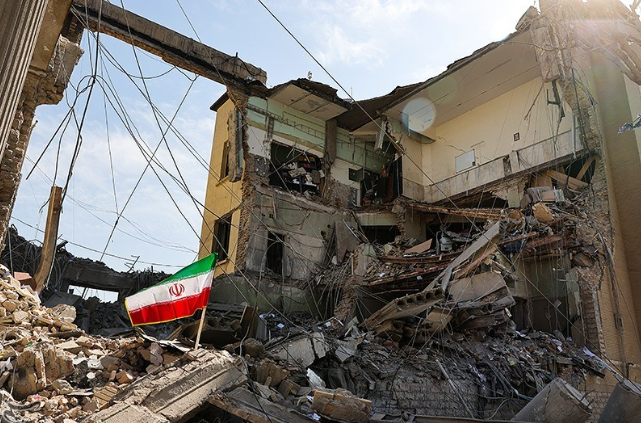
Iran persists with missile and drone attacks despite US claims — SkimNews
Get the Geopolitics newsletter
Daily geopolitics — wars, elections, sanctions, the diplomatic moves that move markets. Free.
- U.S. and Israel launched a war against Iran on Feb. 28, with the Trump administration claiming to have "obliterated" Iran's military capabilities.
- Pete Hegseth declared that no nation’s military has been neutralized as quickly and effectively as Iran’s, and later said Iran fired its "lowest number" of missiles and drones in the past 24 hours.
- ACLED data shows Iran’s daily strike count fell from about 100 on March 1 to an average of 30 strikes per day over the last three weeks, with no day exceeding 50 strikes since March 6.
- Iran has shifted its tactics, deploying more low‑flying drones that evade interceptors, with roughly 40% of its salvos breaking through air defenses according to ACLED.
- Kelly Grieco suggests Iran may be rationing missiles and targeting economic infrastructure such as oil pipelines and desalination plants to pressure the United States, rather than merely “flailing recklessly.”
- Tom Karako warns that U.S. and Israeli anti‑missile interceptors could be depleted before all of Iran’s remaining missile stockpiles and mobile launchers are neutralized.
- Assaf Orion notes Iran’s primary aim is to damage the global economy and force a U.S. settlement, while Israel views the conflict as existential and remains undeterred.
Why it matters: The United States and Israel lose credibility in their narrative of a decisive victory, while Iran gains leverage by forcing the U.S. to confront rising energy costs and interceptor depletion, potentially pressuring Washington toward negotiations. Meanwhile, U.S. troops face heightened danger and the Strait of Hormuz remains vulnerable, raising the strategic stakes for both sides.
Ask SkimNews