Talon PV Plans 4.8 GW TOPCon Solar Plant in Texas — SkimNews
Get the Energy newsletter
Daily energy & climate — solar, EVs, oil, the policy fights and tech bets shaping the transition. Free.
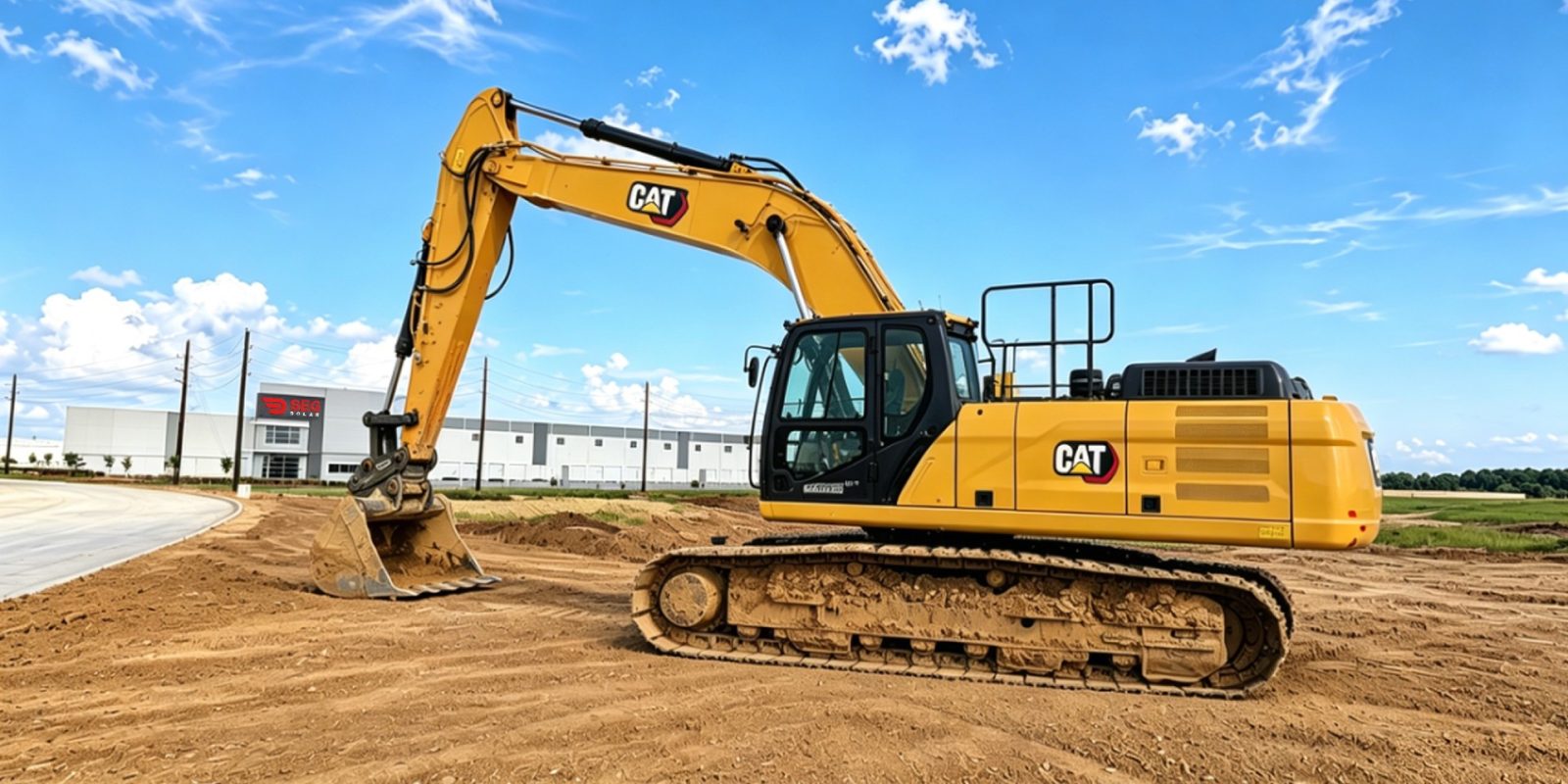
- Talon PV signed a TOPCon licensing agreement with First Solar in February 2025 and is planning a 4.8-gigawatt TOPCon solar cell manufacturing facility in Baytown, Texas, with production anticipated by Q1 2027.
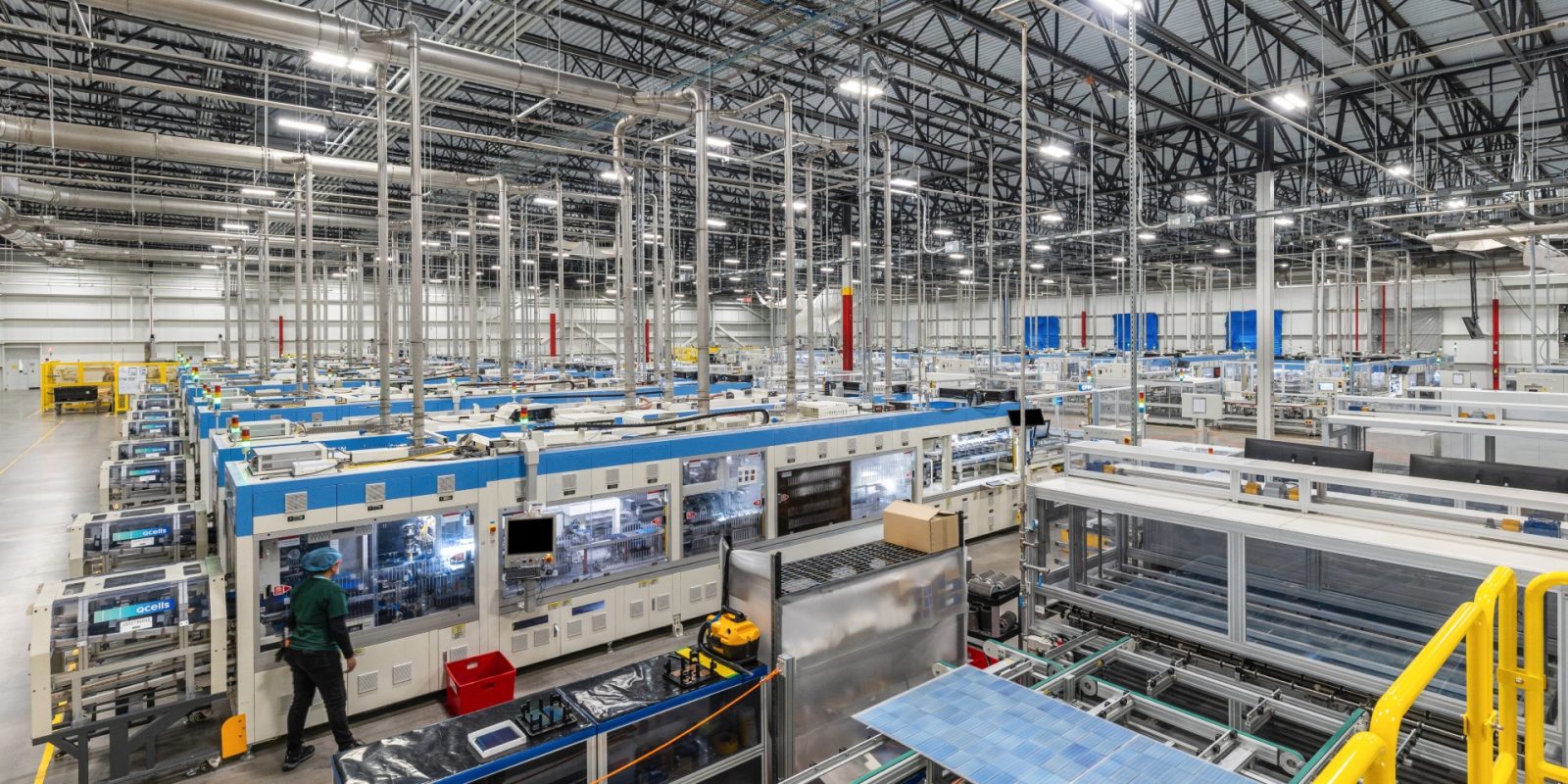
- T1 Energy acquired a minority stake in Talon PV in October 2025 and is building its own 5 GW G2_Austin solar cell fab in Rockdale, Texas, with the first 2.1 GW phase expected online in Q4 2026.
- University of Warwick researchers found TOPCon panels have lower environmental impacts than incumbent PERC cells in 15 of 16 categories, including a 6.5% reduction in climate-changing emissions per unit of electricity capacity, with increased silver consumption the only downside.
- The Warwick study found combining TOPCon adoption, manufacturing improvements, and grid decarbonisation could reduce solar manufacturing emissions by up to 8.2 gigatonnes of CO₂ equivalent by 2035 — roughly 14% of current global annual emissions — while PV installed between 2023 and 2035 is projected to avoid more than 25 gigatonnes of carbon emissions.
- T1 Energy signed a three-year contract with Treaty Oak Clean Energy to deliver at least 900 megawatts of TOPCon solar modules from the G2_Austin factory, and also struck a multi-year deal with module frame manufacturer Nextracker.
- The CleanTechnica piece frames the US TOPCon push as a rebuke to anti-solar groups like Citizens for Responsible Solar, citing UN lifecycle data showing a typical ground-mounted solar project produces 19 times fewer emissions than coal and 8 times fewer than gas per unit of electricity.
Why it matters: Talon PV and T1 Energy are adding nearly 10 gigawatts of planned domestic TOPCon cell capacity across two Texas plants by 2027, bringing the Warwick research finding — that TOPCon cuts manufacturing emissions 6.5% versus PERC — into US fabs and threatening the anti-solar movement's last manufacturing-emissions argument.
Ask SkimNews