IRGC Rejects Trump's Ceasefire Claim, Vows to Keep Hormuz Sealed — SkimNews
Get the Geopolitics newsletter
Daily geopolitics — wars, elections, sanctions, the diplomatic moves that move markets. Free.
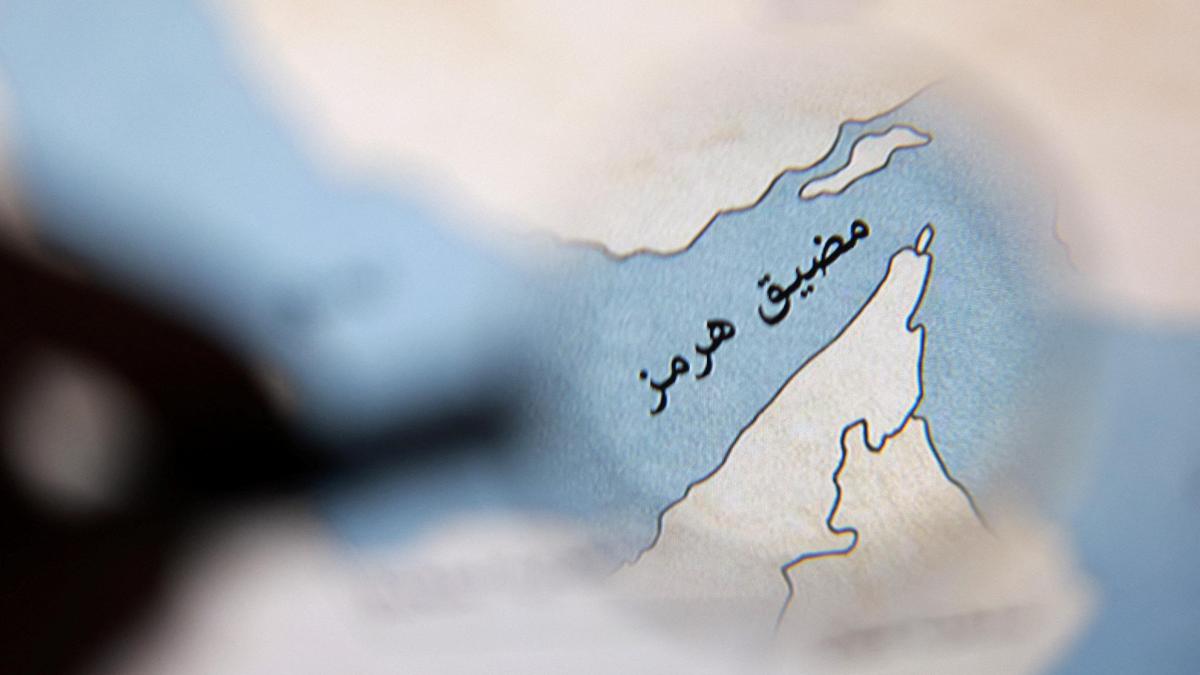
- IRGC declared the Strait of Hormuz is under its "full and decisive control" and will not be reopened to "enemies" under US pressure or negotiation
- Trump claimed on Truth Social that Iran's president had asked the US for a ceasefire, saying Washington would agree only when the strait is "open, free, and clear"
- Foreign Minister Seyyed Abbas Araghchi rejected the ceasefire assertion, dismissing reports of a multi-point peace plan as "media speculation" and saying conflict will continue until Iran is "punished" and compensated
- Araghchi stated the future of the Strait of Hormuz will be decided solely by Iran and Oman, explicitly excluding external powers from any role
- Iran signalled openness to diplomatic channels, with its envoy reportedly saying Tehran would welcome Russia as a potential mediator
- Trump offered mixed signals: on Tuesday he said he could wind down the war within weeks if Iran cannot develop nuclear weapons even without a formal ceasefire, while also threatening strikes on Iranian energy infrastructure if the strait stays closed
- Araghchi told Al Jazeera Tehran will not respond to "threats and deadlines" and will continue defending itself
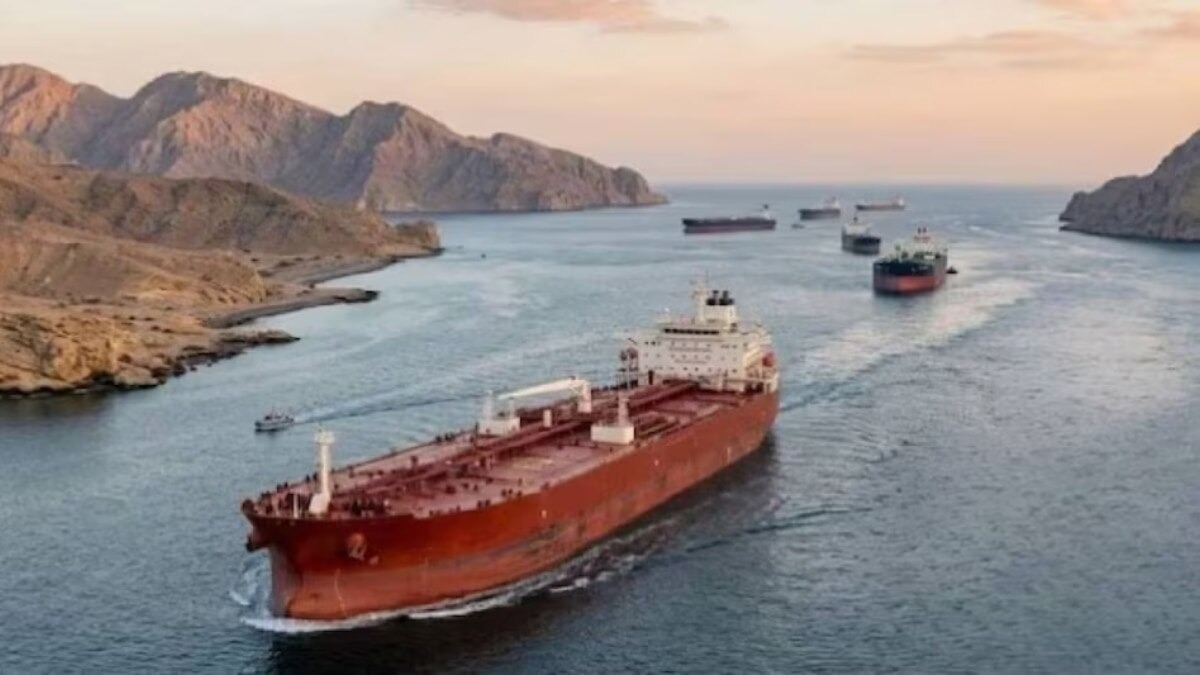
Why it matters: The Hormuz chokepoint carries a significant share of global oil shipments, so Iran's firm refusal to reopen it — paired with Trump's dual track of conditional diplomacy and threats of energy-infrastructure strikes — keeps the economic and military risk live in an already active war, with both sides publicly backing away from the other's off-ramp.
Ask SkimNews