Peroxiredoxins Form Mixed Oligomers, Not Just Rings — SkimNews

Get the Health newsletter
Daily health & science — research, biotech, public health, the studies worth knowing. Free.
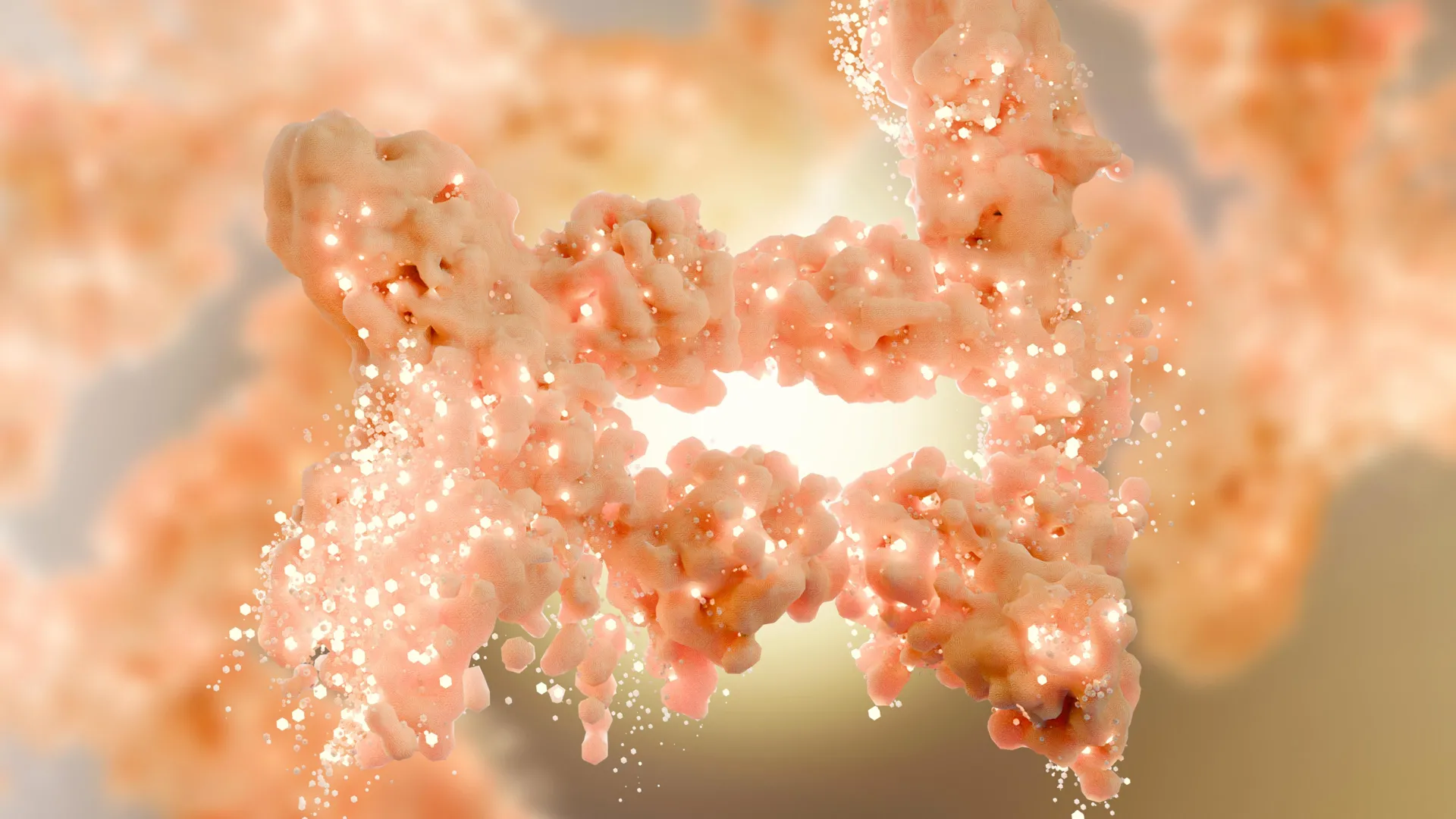
- Researchers from VIB, Vrije Universiteit Brussel, Saarland University, and RPTU University Kaiserslautern-Landau reported in Nature Chemical Biology that peroxiredoxins can form heterooligomers — mixed complexes combining different protein isoforms — rather than only identical 10-subunit rings as long assumed.
- Marcel Deponte of RPTU explained that mixed complexes blend the slightly different biochemical behaviors of each isoform, giving cells a dynamic, context-dependent way to fine-tune redox signaling and stress responses.
- Joris Messens of the VIB-VUB Center for Structural Biology noted that just two subunit types in a 10-unit complex can theoretically generate over 100 distinct assemblies by varying their ratio and position.
- The study observed this mix-and-match assembly in yeast, humans, plants, and protozoan parasites, indicating a conserved mechanism across species.
- Bruce Morgan of Saarland University called the behavior "a striking example of molecular Lego-like behavior," in which cells generate functional diversity from a small set of protein modules.
- The authors flag potential relevance to diseases where redox balance is disrupted, including cancer, aging, and metabolic disorders, since cells may rely on specific peroxiredoxin assemblies under physiological stress.
Why it matters: For decades, peroxiredoxin research operated on a single structural model — uniform 10-subunit rings. Showing the enzymes can theoretically form over 100 distinct mixed assemblies forces researchers studying oxidative stress to determine which complexes actually dominate under physiological conditions, with downstream relevance for cancer, aging, and metabolic disorders.
Ask SkimNews