Asia Stocks Sink 5%+ as Trump-Iran Standoff Escalates — SkimNews

Get the Finance newsletter
Daily finance — markets, central banks, M&A, the prints that move money. Free.
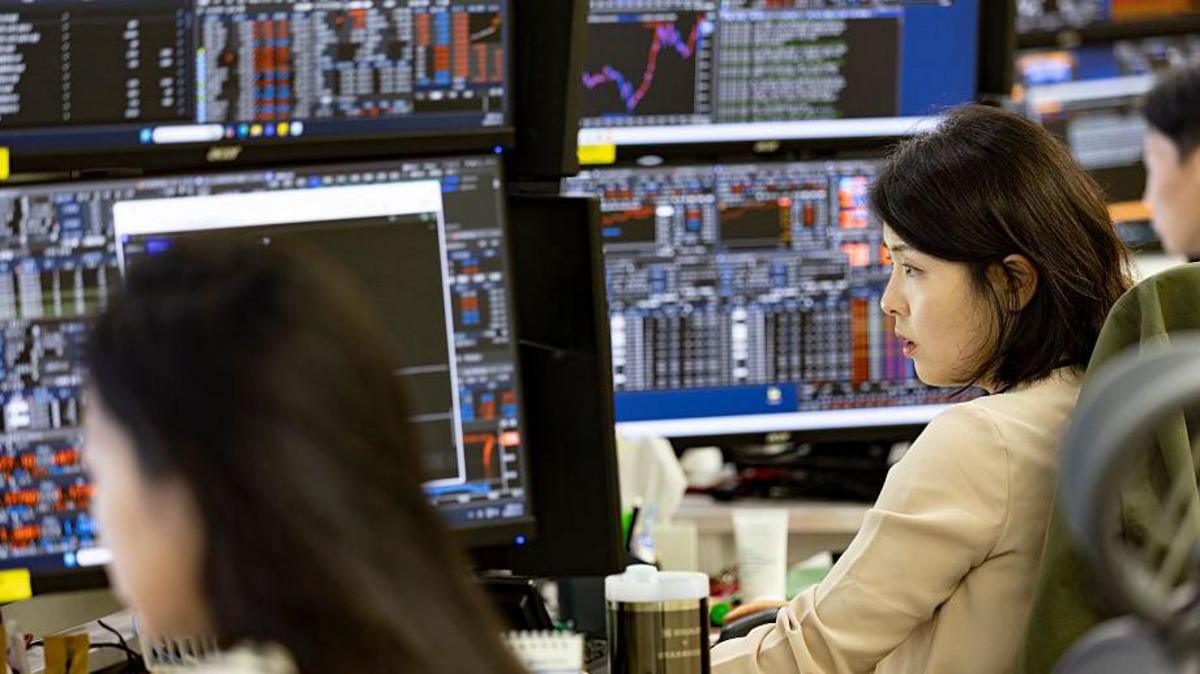
- Asia-Pacific markets sold off sharply on Monday, with South Korea's Kospi plunging 6.5% to 5,405.75 — prompting the Korean exchange to briefly suspend trading — and Japan's Nikkei 225 falling 3.5% to 51,515.49, as investors fled risk assets over escalating Middle East conflict now in its fourth week.
- Trump issued a 48-hour ultimatum to 'obliterate' Iran's power plants if Tehran failed to reopen the Strait of Hormuz, a vital artery for global energy flows.
- Iran's Parliament speaker Mohammad Bagher Ghalibaf threatened retaliatory strikes on 'energy and oil infrastructure throughout the region' if power plants were hit, and extended the threat to financial entities that purchase U.S. Treasurys to finance the U.S. military budget, calling them 'legitimate targets.'
- Goldman Sachs sharply raised its oil price forecasts, projecting Brent at $110 for March-April (up from $98) and WTI at $98 in March and $105 in April, assuming Hormuz flows stay at just 5% of normal levels for six weeks.
- Crude prices whipsawed in volatile trading — Brent crude gained 0.65% to $112.68 per barrel and WTI rose 0.8% to $99 — while gold dropped 6.6% to $4,188.99 an ounce (a near four-month low) and silver sank about 8% to $62.39 as war-driven inflation expectations kept rates elevated.
- U.S. stock futures were little changed overnight, but the S&P 500 ended last week below its 200-day moving average for the first time since May, with the Dow posting its first four-week losing streak since 2023.
Why it matters: South Korea's 6.5% Kospi drop signals a direct transmission of Middle East risk into Asian equities, while Goldman's revised Brent forecast to $110 (up from $98) quantifies the energy-cost shock facing importers if Strait of Hormuz flows stay at 5% of normal for six weeks.
Ask SkimNews