U.S. and Israel Diverge on Iran War as Trump Distances From Strike — SkimNews

Get the Geopolitics newsletter
Daily geopolitics — wars, elections, sanctions, the diplomatic moves that move markets. Free.
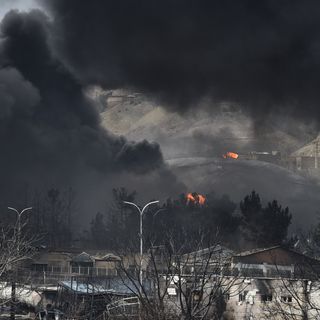
- Israel launched a major attack on an Iranian gas field this week, prompting Iranian retaliation against Gulf States, a threat to global energy supplies, and a surge in fuel prices.
- President Trump first said the U.S. "knew nothing about" the strike, then backtracked and said he had warned Israel against attacking the complex — a reversal that publicly exposed diverging aims between the two allies.
- The United States views Iran through a global-power prism, weighing global energy supplies, the safety of Persian Gulf allies, and rising domestic gas prices ahead of midterm elections.
- Israel operates from a narrower regional perspective: it has its own natural gas, little dependency on the Strait of Hormuz, and no responsibility for the free flow of global trade.
- Aaron David Miller, a former U.S. Middle East negotiator now at the Carnegie Endowment, said: "We are a global power and they are a regional one. So their threat assessments create a different set of objectives than ours."
- Suzanne Maloney of the Brookings Institution added that the costs the two sides can bear are "even more different, especially over time," calling the divergence inevitable.
- Israel sees Iran as an existential threat from its nuclear program and ballistic missiles — stakes the source says Israel views as higher than the U.S. does.
Why it matters: The U.S., as a global power, must weigh energy supplies, Gulf allies' safety, and rising gas prices ahead of midterms; Israel, with its own natural gas and no stake in the Strait of Hormuz, focuses narrowly on Iran's nuclear and missile threats. Analysts cited in the source say this divergence in objectives is inevitable and will widen over time as the war grinds on.
Ask SkimNews