ByteDance Curbs Seedance After Disney Cease-and-Desist — SkimNews

Get the Tech newsletter
Daily tech — startups, AI labs, chips, the launches that shape the next decade. Free.
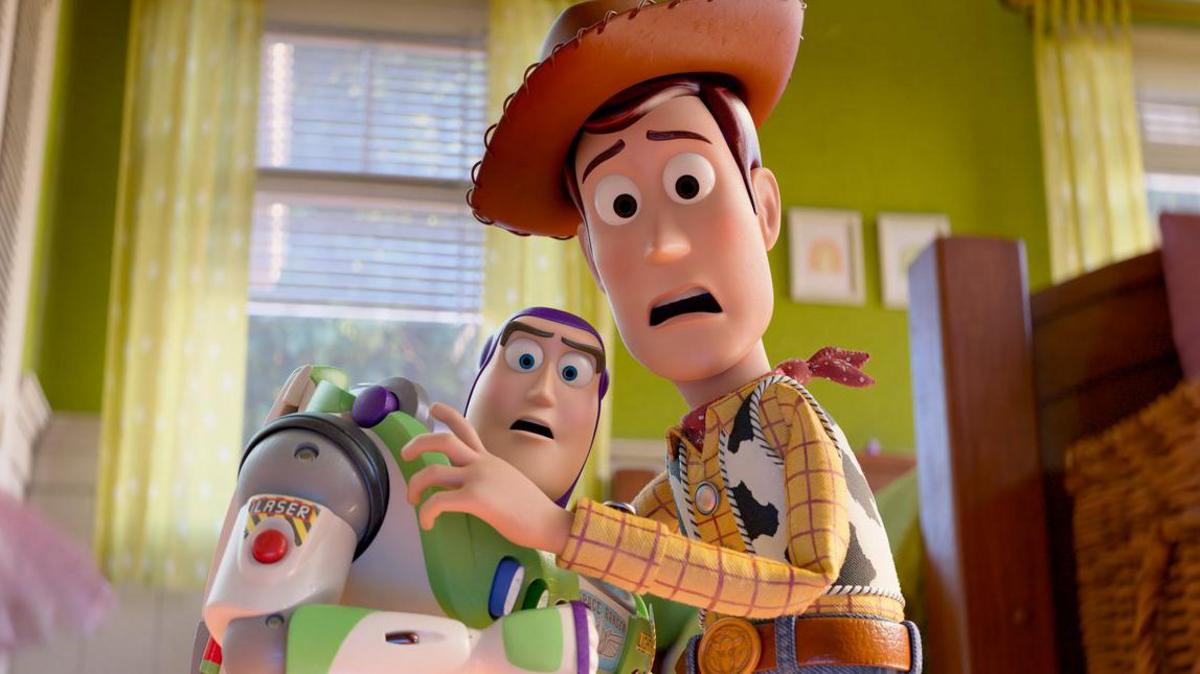
- Disney sent ByteDance a cease-and-desist letter on Friday accusing Seedance of supplying a 'pirated library' of its copyrighted characters from Marvel, Star Wars, Pixar, and other franchises, calling it a 'virtual smash-and-grab' of its intellectual property.
- ByteDance told the BBC it 'respects intellectual property rights' and is 'taking steps to strengthen current safeguards' to prevent unauthorized use of IP and likeness, but declined to detail what those safeguards are.
- Seedance 2.0, launched 12 February, generates realistic video clips from text prompts; the BBC found examples online depicting Star Wars characters Anakin Skywalker and Rey dueling with lightsabres and Spider-Man fighting Captain America in New York.
- Paramount Skydance has also reportedly sent a cease-and-desist letter, the Motion Picture Association (representing Warner Bros Discovery, Paramount, and Netflix) demanded the tool 'immediately cease its infringing activity,' and SAG-AFTRA accused Seedance of 'blatant infringement.'
- The Japanese government has separately launched an investigation into ByteDance after AI-generated videos of popular Japanese anime characters surfaced online.
- Disney struck a $1bn (£730m) deal with OpenAI last year licensing 200 characters from its franchises for use in ChatGPT and Sora, a contrast to ByteDance's unlicensed approach.
- Disney and NBCUniversal are also pursuing an ongoing lawsuit against Midjourney for generating 'endless unauthorised copies' of their copyrighted works, and Disney has asked Google to restrict generation of its characters on its AI platforms.
Why it matters: Seedance 2.0 went viral for its realism just days after its 12 February launch, and the speed of Disney's cease-and-desist — followed by Paramount Skydance, the MPA, SAG-AFTRA, and a Japanese government probe — shows studios are no longer waiting to see whether generative AI tools negotiate licenses; they are moving straight to legal threats. That puts ByteDance in the same defensive posture as Midjourney, while rivals that struck deals (Disney–OpenAI's $1bn licensing pact) are insulated from this fight.
Ask SkimNews