US‑Israel Iran strike fuels war, urges ceasefire — SkimNews

Get the Geopolitics newsletter
Daily geopolitics — wars, elections, sanctions, the diplomatic moves that move markets. Free.
- U.S. and Israel launched a sweeping military campaign against Iran at the end of February, killing Supreme Leader Ali Khamenei and several senior officials in the opening salvo.
- Later strikes targeted Iran's missile launch sites, factories, nuclear installations, air defenses, naval assets, and buildings used by the Islamic Revolutionary Guard Corps and other state security organs.
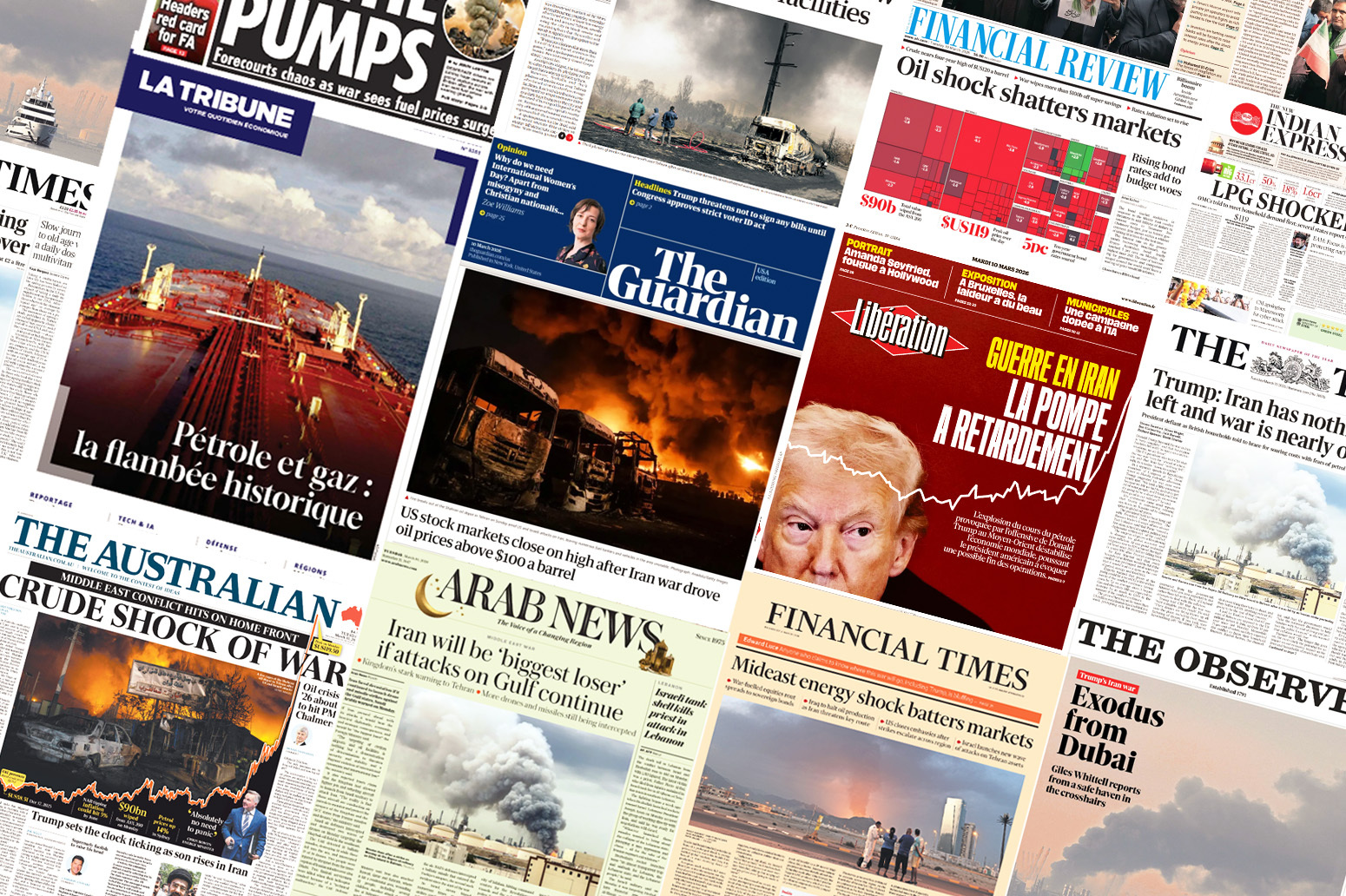
- Iran responded by launching missiles and drones at Israel, U.S. bases, diplomatic facilities, and U.S. Gulf partners, halting traffic through the Strait of Hormuz except where Tehran permitted passage.
- U.S. officials outlined a shifting menu of objectives for the campaign, ranging from degrading Iran’s strategic capabilities to seeking unconditional surrender of the regime.
- Mojtaba Khamenei was elevated to Supreme Leader, and Iran pursued an attritional campaign designed to widen the battlefield and squeeze the global economy by restricting the Strait of Hormuz.
- Third‑party mediators are urged to prioritize an immediate ceasefire to prevent further economic fallout such as higher gas prices and market disruptions.
Why it matters: The war’s expansion threatens global oil flows and market stability, raising fuel prices for consumers while the U.S. and Israel risk political backlash; a ceasefire could reopen the Strait of Hormuz, curbing economic disruption and limiting further escalation and reducing the risk of a broader regional conflagration.
Ask SkimNews