AI Innovation in Specialty Chemicals Faces Data Hurdles
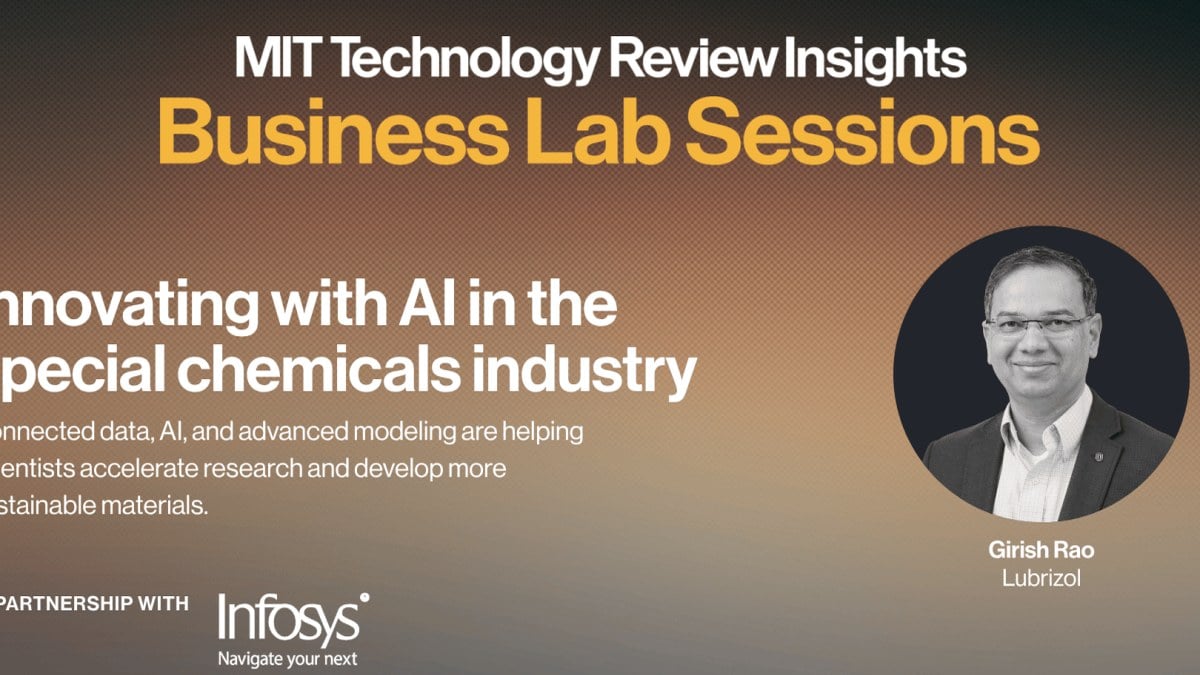
The 30-Second Skim
- What happened: Specialty chemicals manufacturers are adopting AI, cloud computing, and advanced modeling to accelerate product development. However, the main obstacle is not AI capability but access to reliable data, scientific know-how, and commercialization experience.
- Key facts & numbers: MIT Technology Review reported on November 9, 2026, that data infrastructure is the primary bottleneck for AI adoption in specialty chemicals. EY highlighted that 70% of failed AI pilots in the sector stem from poor data integration, not model performance.
- What happens next: Chemical & Engineering News projects that agentic AI systems—capable of autonomous experimentation—will enter pilot phases at three major European chemical firms by Q2 2027, pending data governance approvals.
Why It Matters
The bottleneck in AI adoption for specialty chemicals shifts focus from algorithmic sophistication to foundational data systems and human expertise, reshaping investment priorities. Firms must now prioritize data governance and cross-functional teams over pure tech procurement to realize ROI.
This trend could widen the performance gap between large, data-mature chemical firms and smaller players lacking infrastructure. Regulators may eventually step in to standardize chemical data formats, while investors are likely to scrutinize data readiness—not just AI partnerships—when evaluating innovation claims.
How Outlets Are Framing It
- MIT Technology Review / Innovation Lens: Focuses on how AI can transform R&D cycles but stresses that scientific and data maturity—not tool access—determines real-world impact in specialty chemicals.
- EY / Business Risk Lens: Highlights operational risks, noting that 70% of AI failures in chemicals stem from poor data pipelines, urging firms to align digital and domain expertise.
- Chemical & Engineering News / Technical Adoption Lens: Emphasizes the rise of agentic AI systems capable of self-directed lab work, signaling a shift toward autonomous chemical discovery by 2027.
Background & Timeline
- Q3 2024: Major chemical firms began pilot AI projects for molecular design, but most stalled due to inconsistent lab data formats and siloed research databases.
- Early 2026: Industry consortia led by EY and ACS launched data standardization initiatives to support AI integration across specialty chemical R&D pipelines.
Sources Cited
- MIT Technology Review — Innovating with AI in the special chemicals industry
- TechMeme — TechMeme
- EY — Transforming chemicals R&D with AI
- Chemical & Engineering News — Chemical industry to bet on agentic AI
- AZoM — Avoiding AI Failure: Lessons Learned from Real-World Chemical Industry Projects
Related Coverage
Ask SkimNews