Connected data aids AI-driven food R&D decisions
The 30-Second Skim
- What happened: Food companies are being offered a practical route through complex product-development and safety demands: connected data and generative AI can help scientists improve decisions, reduce manual work and surface risks earlier.
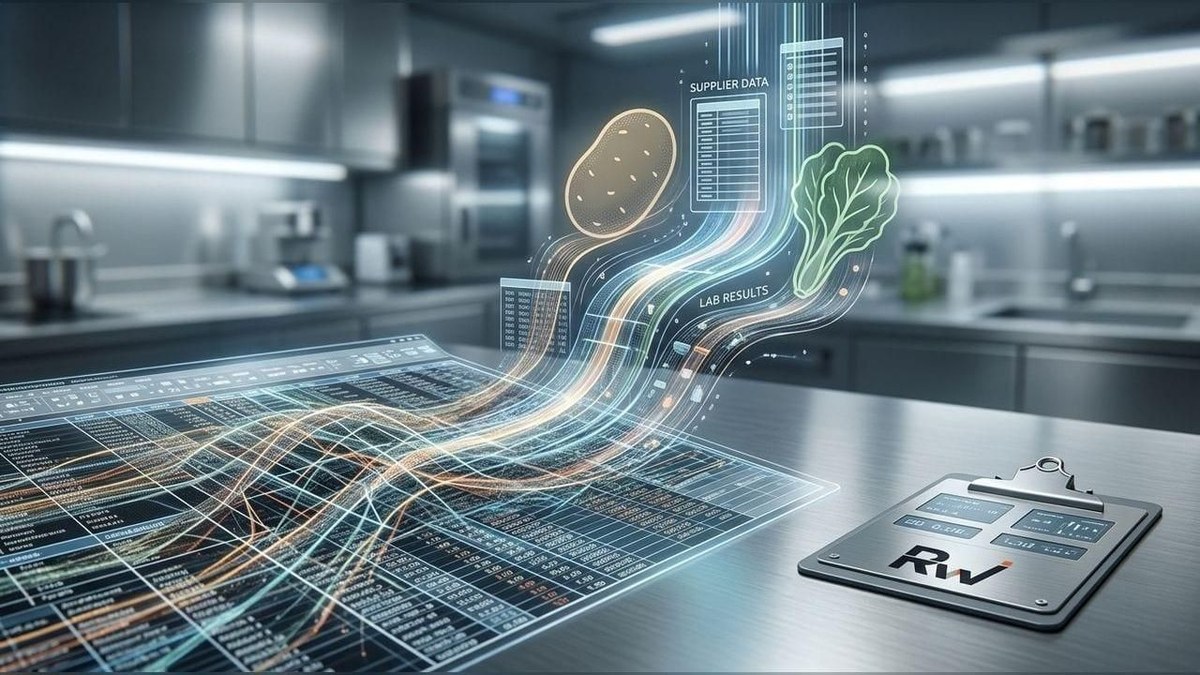
- Key facts & numbers: Food companies face increasingly complex product development and safety requirements. Generative AI could help scientists make better-informed decisions, reduce manual work and identify potential risks earlier when paired with connected data.
- What happens next: Connected data is the operational pitch: fewer manual steps and earlier risk detection, though the source offers no quantified payoff.
- Food companies face increasingly complex product development and safety requirements.
- Generative AI could help scientists make better-informed decisions, reduce manual work and identify potential risks earlier when paired with connected data.
Why It Matters
For food companies and scientists, the immediate benefit is a leaner decision process: connected data supplies the context generative AI uses to improve choices, reduce repetitive work and flag safety risks earlier. The source presents potential operational gains, but provides no quantified savings, accuracy gain or implementation timeline.
Sources Cited
- YourStory — Why better data could be the key to AI-driven food R&D
- YourStory.com — Why better data could be the key to AI-driven food R&D
- Bipartisan Policy Center — Key Considerations for Data Center Development
- McKinsey & Company — AI data readiness: The key to scaling impact
- IBM — Why AI data quality is the key to AI success
- Gates Notes — Data could hold the key to stopping Alzheimer’s
Related Coverage
Ask SkimNews