Can VR glasses save VR?
The 30-Second Skim7 points
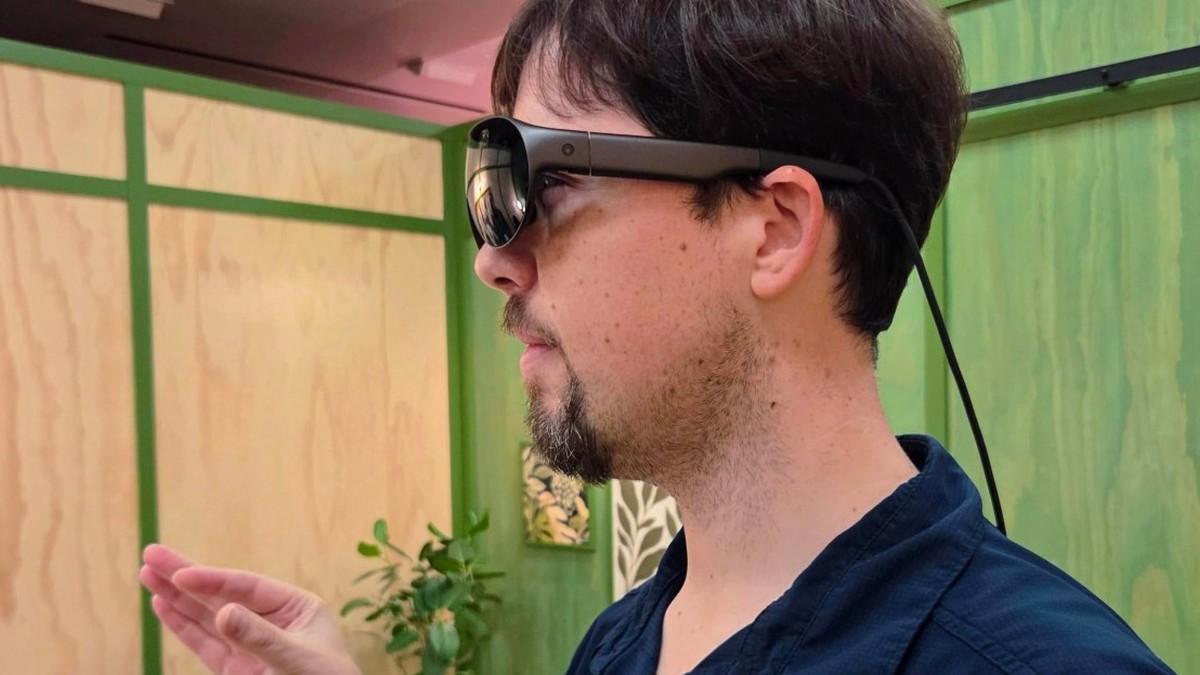
- What happenedMeta's new $1,299 VR Glasses use a 100-gram glasses form factor with passthrough vision, sidestepping the isolation of enclosed headsets and the limited field of view of transparent AR glasses to potentially solve VR's mainstream adoption problem.
- Key facts & numbersMeta's VR Glasses weigh roughly 100 grams and cost $1,299, using a glasses form factor with camera passthrough that lets users keep real peripheral vision of their room instead of being fully enclosed like the Meta Quest 3, Steam Frame, or Apple Vision Pro The glasses deliver a 70-by-66 degree field of view with 37 pixels-per-degree angular resolution, a wider virtual frame than transparent AR alternatives like the Xreal Aura (70 degrees diagonal this fall) or Xreal One Pro (57 degrees), while keeping the wider, undistorted FOV of enclosed VR Meta VP of wearables Alex Himel told The Verge the launch represents "a new era for virtual reality" and that "the future of everything we're doing is a pair of augmented reality glasses," signaling a strategic shift away from goggles
- What happens nextHeadlines fixate on price and whether VR is 'saved,' but the buried insight is that the real problem was never immersion — it was convincing anyone to strap a brick to their face.
- Meta's VR Glasses weigh roughly 100 grams and cost $1,299, using a glasses form factor with camera passthrough that lets users keep real peripheral vision of their room instead of being fully enclosed like the Meta Quest 3, Steam Frame, or Apple Vision Pro
- The glasses deliver a 70-by-66 degree field of view with 37 pixels-per-degree angular resolution, a wider virtual frame than transparent AR alternatives like the Xreal Aura (70 degrees diagonal this fall) or Xreal One Pro (57 degrees), while keeping the wider, undistorted FOV of enclosed VR
- Meta VP of wearables Alex Himel told The Verge the launch represents "a new era for virtual reality" and that "the future of everything we're doing is a pair of augmented reality glasses," signaling a strategic shift away from goggles
- The author argues the form factor addresses overlooked adoption barriers: parental anxiety about being cut off from kids or pets, discomfort for women with long hair or makeup who dislike headset cushions, and self-consciousness about wearing enclosed displays in planes, trains, or parks
Why It Matters
The Meta VR Glasses target a market failure that better specs alone couldn't fix: even people who like VR refuse to wear a 1-pound sealed headset around their kids, in public, or over styled hair. By swapping the enclosed goggle for 100-gram passthrough glasses at $1,300 — well under the $3,700 Vision Pro — Meta repositions VR from a solitary gaming accessory into something closer to everyday eyewear, and Himel's framing suggests the company is willing to phase out traditional headsets if the new form factor lands.
Sources Cited
- The VergeCan VR glasses save VR?
Related Coverage
Ask SkimNews
The day’s news in one short email, every morning.
Free. One email a day. Unsubscribe in one click.