Eka Robot Screws Light Bulb with Human‑like Dexterity
The 30-Second Skim
- What happened: Eka’s robot arm can grasp, manipulate, and screw in a light bulb with human‑like fluidity, a milestone that has eluded commercial robots for years. While OpenAI and Google pour resources into scaling large‑language‑model AI, the MIT‑backed startup says its new learning approach cracks dexterity, positioning robotics as the next frontier for trillions of dollars of hand‑driven value.
- Key facts & numbers: Eka shows a robot arm that can pick up objects like earplugs, hairbrushes, and a key ring, then screw a light bulb into a socket with human‑like fluidity. OpenAI reassigns 10 Prism engineers to Codex, concentrating its talent on large‑language‑model development. Google integrates Gemini AI across Chrome and other products, embedding the model throughout its ecosystem.
- What happens next: Eka's robot just screwed in a light bulb—finally a machine that handles everyday stuff as smoothly as a human hand.
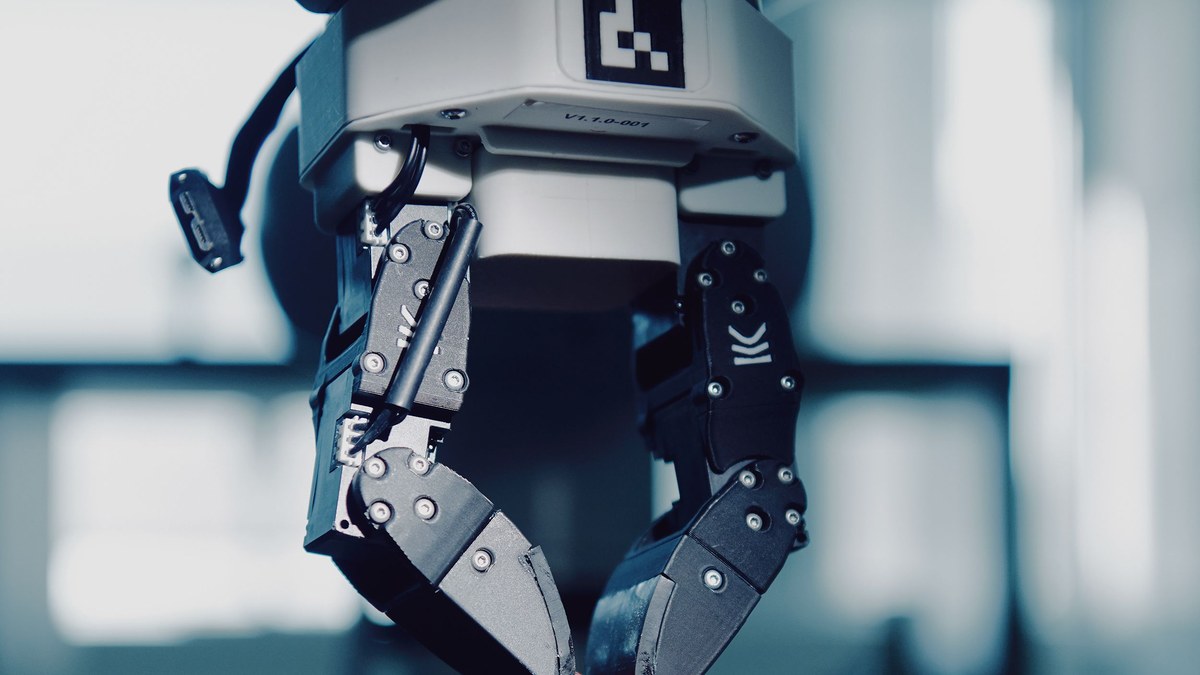
- Eka shows a robot arm that can pick up objects like earplugs, hairbrushes, and a key ring, then screw a light bulb into a socket with human‑like fluidity.
- OpenAI reassigns 10 Prism engineers to Codex, concentrating its talent on large‑language‑model development.
- Google integrates Gemini AI across Chrome and other products, embedding the model throughout its ecosystem.
- Pulkit Agrawal (MIT professor) declares dexterity is cracked, and the robot’s capability targets the trillions of dollars of hand‑driven commerce.
Why It Matters
Manufacturers and retailers capture a share of the trillions of dollars in hand‑driven commerce as robots like Eka’s take over delicate assembly, slashing labor costs and reshaping supply‑chain labor dynamics.
Sources Cited
Related Coverage
Ask SkimNews