OpenAI is building AI agents for everything. Will everyone use them?
The 30-Second Skim
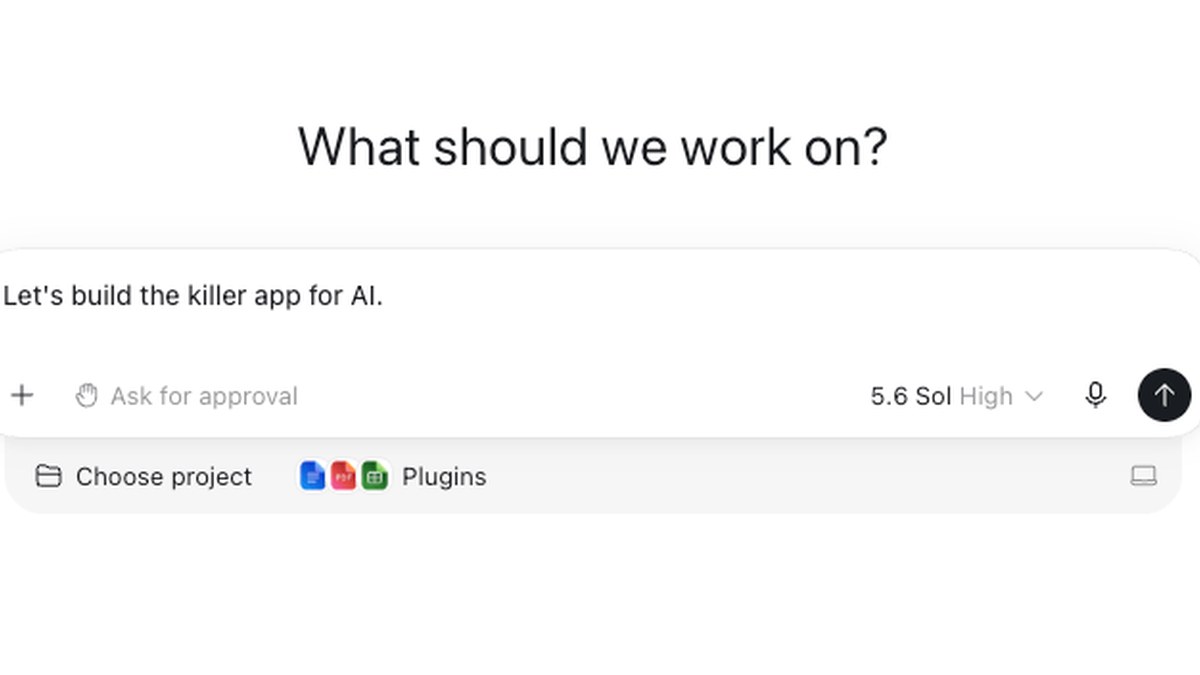
- What happened: OpenAI launched ChatGPT Work, a $20/month agentic tool built from its Codex coding product and aimed at non-engineers — betting that hooking AI agents into Slack, email, and SaaS apps will finally drive agent adoption beyond the 0.98% rate OpenAI itself measured among individual subscribers.
- Key facts & numbers: ChatGPT Work launched last month at $20/month on OpenAI's lowest subscription tier, letting white-collar workers hand multistep tasks to AI agents wired into email, Slack, Notion, Figma, and other workplace apps. An OpenAI-backed study found 98% of OpenAI employees used Codex in June, but just 17% of organizational subscribers and under 1% of individual subscribers did — the gap the Work product is explicitly designed to close. Lead engineer Andrew Ambrosino told TechCrunch he gave the desktop app access to his inbox, Slack, phone, Notion, and Figma, saying: "I will take the personal hit here and there if I have to," acknowledging potential private-data leaks.
- What happens next: 98% of OpenAI staff use Codex vs <1% of outside subscribers. ChatGPT Work is a $20 bet that re-skinning for non-coders closes that gap.
- ChatGPT Work launched last month at $20/month on OpenAI's lowest subscription tier, letting white-collar workers hand multistep tasks to AI agents wired into email, Slack, Notion, Figma, and other workplace apps.
- An OpenAI-backed study found 98% of OpenAI employees used Codex in June, but just 17% of organizational subscribers and under 1% of individual subscribers did — the gap the Work product is explicitly designed to close.
- Lead engineer Andrew Ambrosino told TechCrunch he gave the desktop app access to his inbox, Slack, phone, Notion, and Figma, saying: "I will take the personal hit here and there if I have to," acknowledging potential private-data leaks.
- OpenAI's joint app reaches 20 million users, versus more than 1 billion people prompting ChatGPT online, underscoring how narrow the current agentic user base remains.
Why It Matters
OpenAI's commercial case for agents rests on longer tasks burning more tokens per user, but with under 1% adoption among individual subscribers for agentic tools, vertical competitors like Harvey and Clay that crack non-coder workflows first could capture the revenue OpenAI needs to justify its compute spend. At $20/month, the price only pencils out if the permission headaches the reporter hit don't drive mainstream users away.
Sources Cited
Related Coverage
Ask SkimNews