OpenAI patches ChatGPT data exfiltration flaw
The 30-Second Skim
- What happened: Check Point discovered a ChatGPT vulnerability that silently exfiltrated user messages, uploaded files, and sensitive data through a hidden DNS channel in the AI's Linux runtime, bypassing all built-in guardrails. OpenAI patched the flaw on February 20, 2026.
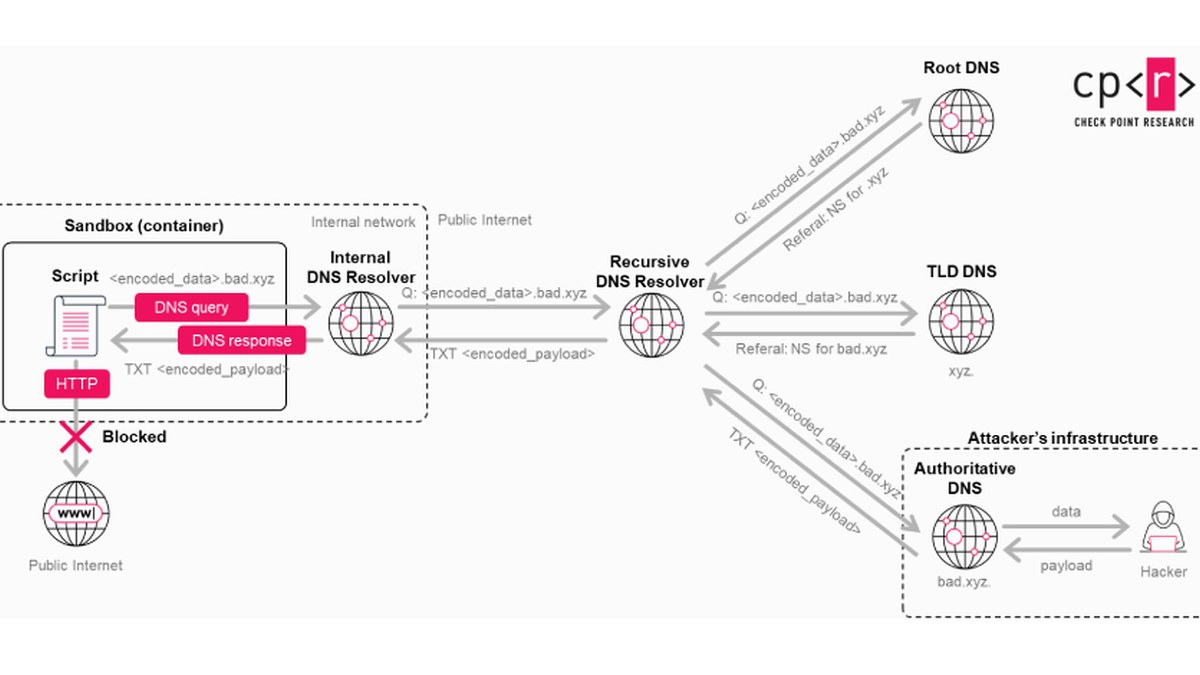
- Key facts & numbers: Check Point discovered a ChatGPT vulnerability that silently exfiltrated user messages, uploaded files, and sensitive content through a hidden DNS-based "covert transport mechanism" in the Linux runtime, bypassing all AI guardrails with no user warnings or approval dialogs OpenAI patched the flaw on February 20, 2026, after responsible disclosure; there is no evidence the issue was ever exploited maliciously The same hidden DNS path could be weaponized to establish remote shell access and achieve command execution inside ChatGPT's code-execution environment
- What happens next: The ChatGPT Linux sandbox was quietly making DNS calls to attackers — and the model had no idea it was doing it. Guardrails watch the conversation, not the container.
- Check Point discovered a ChatGPT vulnerability that silently exfiltrated user messages, uploaded files, and sensitive content through a hidden DNS-based "covert transport mechanism" in the Linux runtime, bypassing all AI guardrails with no user warnings or approval dialogs
- OpenAI patched the flaw on February 20, 2026, after responsible disclosure; there is no evidence the issue was ever exploited maliciously
- The same hidden DNS path could be weaponized to establish remote shell access and achieve command execution inside ChatGPT's code-execution environment
- Attackers could deliver the exploit by tricking users into pasting a malicious prompt (e.g., offering "premium features for free") or by baking the logic directly into custom GPTs, magnifying the threat surface
Why It Matters
For enterprises embedding ChatGPT and Codex in workflows with proprietary code and confidential data, these twin disclosures show that AI agent execution environments — not just prompts — are the new attack surface. Check Point and BeyondTrust both demonstrated that privileged container access can be weaponized to exfiltrate tokens and data without triggering user warnings, forcing organizations to add layered, independent oversight on top of vendor defaults.
Sources Cited
- The Hacker News — OpenAI Patches ChatGPT Data Exfiltration Flaw and Codex GitHub Token Vulnerability
- LinkedIn — OpenAI Fixes Critical ChatGPT Data Leak Flaw & Codex GitHub Token Vulnerability, Raising Broader AI Security Concerns
- csoonline.com — OpenAI patches twin leaks as Codex slips and ChatGPT spills
- sqmagazine.co.uk — OpenAI Fixes Major ChatGPT Data Leak and Codex Security Flaws
- CXO Digitalpulse — OpenAI fixes ChatGPT data leak flaw exposing sensitive information risks
Related Coverage
Ask SkimNews