Sunrun Pays Homeowners to Host AI Compute Nodes
The 30-Second Skim
- What happened: Solar and home battery company Sunrun is piloting a program that pays its customers to host small AI compute nodes in their homes, then plans to sell the aggregate power to enterprise AI buyers as a distributed alternative to traditional data centers.
- Key facts & numbers: Sunrun is launching a pilot "distributed AI compute" program that places compute nodes in homes equipped with its solar and battery storage systems, with participating customers receiving compensation. Sunrun plans to sell the distributed compute power from those home-based nodes to "enterprise compute buyers," such as AI companies, opening a new revenue stream beyond its home energy business. The pilot follows a "successful" proof of concept, though the company hasn't disclosed performance results; Sunrun will assess outcomes before a wider rollout.
- What happens next: The real play is the NIMBY sidestep: 70%+ of Americans block data centers locally, so Sunrun is turning 1.1M homes into a "nationwide compute network" that never needs a zoning hearing.
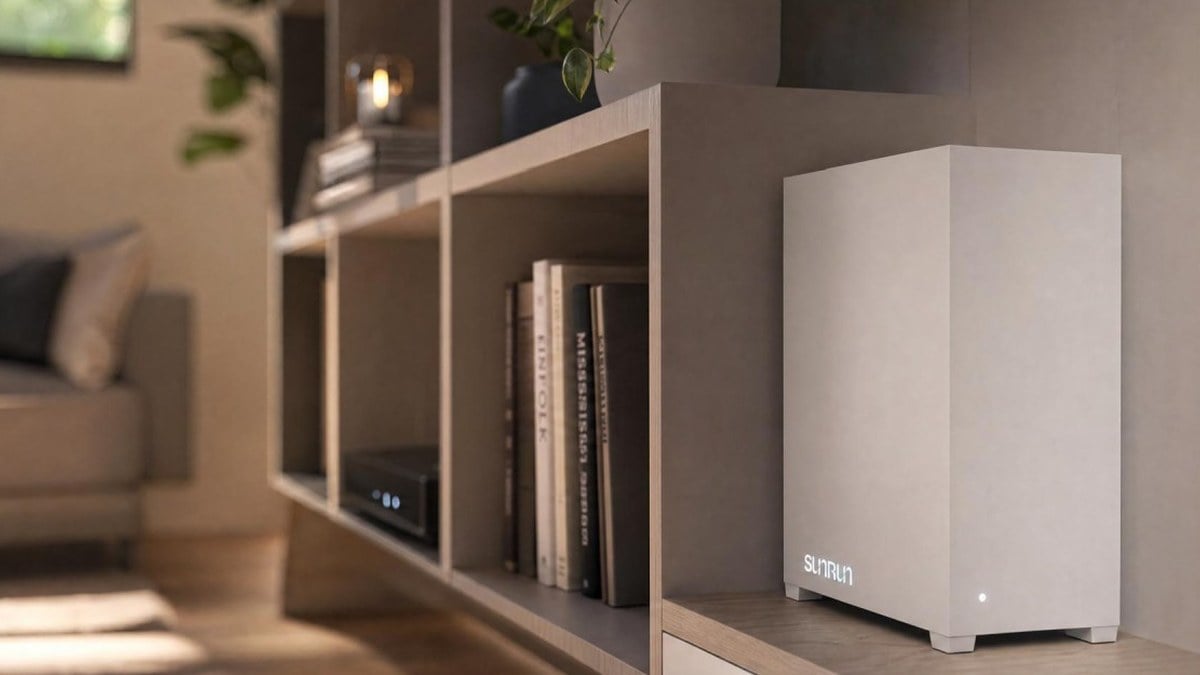
- Sunrun is launching a pilot "distributed AI compute" program that places compute nodes in homes equipped with its solar and battery storage systems, with participating customers receiving compensation.
- Sunrun plans to sell the distributed compute power from those home-based nodes to "enterprise compute buyers," such as AI companies, opening a new revenue stream beyond its home energy business.
- The pilot follows a "successful" proof of concept, though the company hasn't disclosed performance results; Sunrun will assess outcomes before a wider rollout.
- Sunrun's 1.1 million customers can sign up for the pilot waitlist to host a compute node, turning the solar company's installed base into the foundation of a potential "nationwide compute network."
Why It Matters
Sunrun's 1.1 million solar and battery customers could become a distributed AI compute network, giving enterprise buyers new capacity while sidestepping the local opposition — over 70% of Americans, per a May survey — that blocks traditional data center construction. For Sunrun, the pivot monetizes its installed base and energy infrastructure in a market adjacent to home energy storage.
Background & Timeline
- Editor context: By tying home battery systems to enterprise compute loads, the model effectively converts residential energy assets into business-critical infrastructure — shifting uptime risk and maintenance obligations onto households while the operator aggregates the returns.
Sources Cited
- The Verge AI — Would you host part of an AI data center in your home?
- The Verge — Would you host part of an AI data center in your home?
- marketplace.org — Inside a data center that could power our AI future (it’s not where you’d think)
- Ars Technica — The newest AI boom pitch: Host a mini data center at your home
- CNBC — Tiny data centers may be coming into the homes of Americans in the future
Related Coverage
Ask SkimNews