US Agencies Flag Anti‑Tech Extremism as AI Grows
The 30-Second Skim7 points
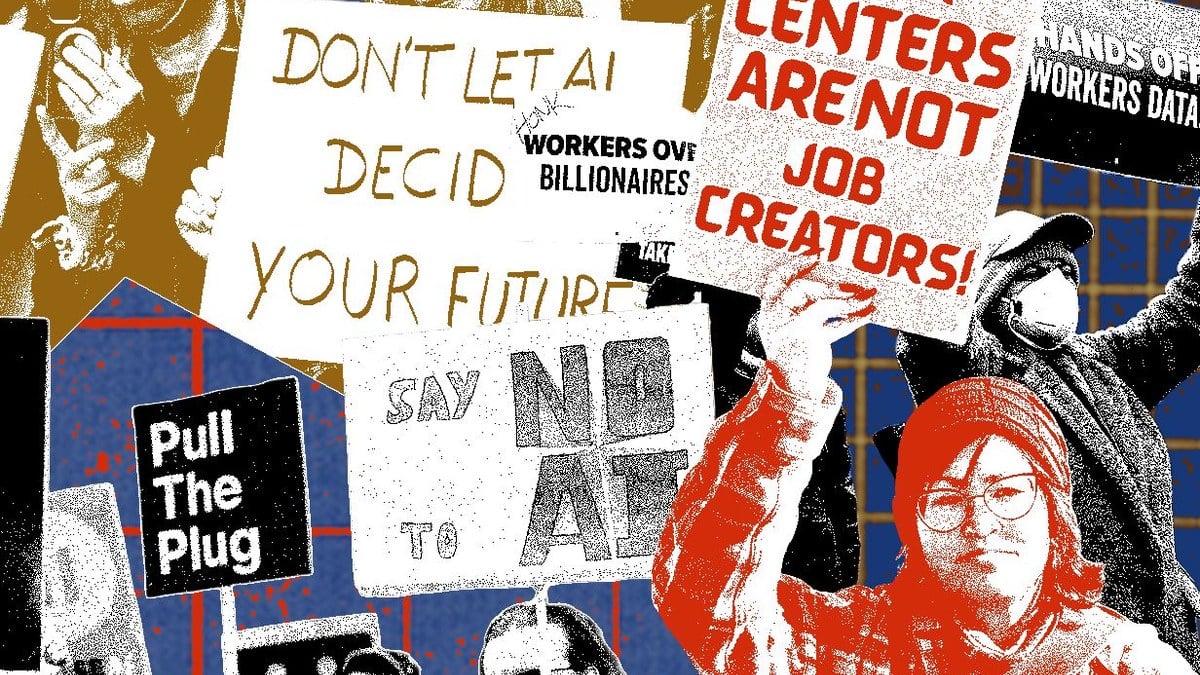
- What happenedU.S. law‑enforcement agencies have identified a new domestic threat—‘anti‑tech violent extremism’—as AI adoption fuels fear of job loss and existential risk. The warning, detailed in over 1,000 unpublished DHS and FBI reports, coincides with President Trump’s National Security Presidential Memo 7 and counter‑terrorism czar Sebastian Gorka’s focus on left‑wing extremism, linking broader political directives to the emerging AI‑related security concern.
- Key facts & numbersDepartment of Homeland Security and the FBI released over 1,000 pages of unpublished reports that identify “anti‑tech violent extremism” as a new domestic threat. New York Intelligence and Counterterrorism Bureau warned that AI adoption could trigger large‑scale protests and violent unrest in major cities like New York City within five years. Ziz Laota was identified as the leader of a cult‑like group whose members were charged with murder, motivated by an extremist belief in AI existential risk.
- What happens nextLooks like the FBI's now hunting AI‑skeptics as if they were homegrown terrorists—big red flag for anyone pushing back on the AI boom.
- Department of Homeland Security and the FBI released over 1,000 pages of unpublished reports that identify “anti‑tech violent extremism” as a new domestic threat.
- New York Intelligence and Counterterrorism Bureau warned that AI adoption could trigger large‑scale protests and violent unrest in major cities like New York City within five years.
- Ziz Laota was identified as the leader of a cult‑like group whose members were charged with murder, motivated by an extremist belief in AI existential risk.
- President Trump issued National Security Presidential Memo 7 directing the DOJ to target individuals holding anti‑American, anti‑Christian, and anti‑capitalist beliefs.
Why It Matters
Civil liberties groups lose privacy as the DOJ expands surveillance to target anti‑tech activists, while tech firms face heightened regulatory scrutiny and potential operational disruptions in data‑center expansions.
Background & Timeline
- ContextThe classification of "anti-tech violent extremism" as a domestic threat suggests a preemptive move to manage social unrest by framing technological resistance as a security issue rather than a socio-economic one.
Sources Cited
- The Washington PostTrump administration prepares sweeping crackdown on leftist networks
Related Coverage
Ask SkimNews
The day’s news in one short email, every morning.
Free. One email a day. Unsubscribe in one click.