Land Is Life report: Indigenous governance is proven climate fix
The 30-Second Skim
- What happened: A new Land Is Life report drawing on 200+ surveys across 46 countries finds Indigenous governance systems are among the most effective climate adaptation tools available, yet almost none of the billions pledged for climate resilience actually reaches Indigenous communities.
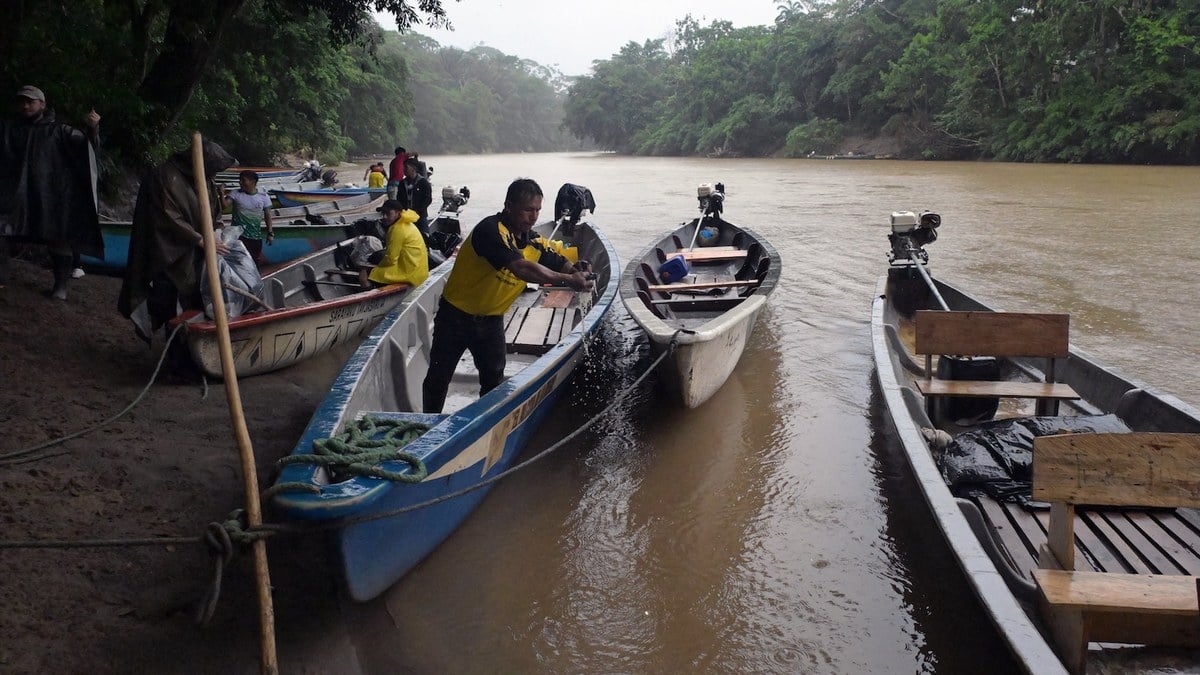
- Key facts & numbers: Land Is Life released a report during New York Climate Week based on more than 200 survey responses from 46 countries spanning forests, mountains, drylands, freshwater, grasslands, and coastal ecosystems, finding that over 80% of Indigenous respondents face two or more climate disasters simultaneously and over 90% reported rising frequency. The report documents specific successes: Kichwa People of Sarayaku in the Ecuadorian Amazon responded to devastating 2019 Bobonaza River floods through pre-existing governance structures and minga collective responsibility, with elders reading rain and lightning patterns at the headwaters to warn the community. Endorois and Tugen women in Kenya cultivated drought-resistant varieties of sorghum, millet, and other key foods that provided some of the region's only harvests in years of severe drought, while Brazil's Coordination of Indigenous Organizations of the Brazilian Amazon (COIAB) organized fire management, training, and response mobilization.
- What happens next: The buried stat: billions pledged, almost none reaches Indigenous communities who are literally already doing the adaptation work. The report isn't asking for new systems — just funding the ones that work.
- Land Is Life released a report during New York Climate Week based on more than 200 survey responses from 46 countries spanning forests, mountains, drylands, freshwater, grasslands, and coastal ecosystems, finding that over 80% of Indigenous respondents face two or more climate disasters simultaneously and over 90% reported rising frequency.
- The report documents specific successes: Kichwa People of Sarayaku in the Ecuadorian Amazon responded to devastating 2019 Bobonaza River floods through pre-existing governance structures and minga collective responsibility, with elders reading rain and lightning patterns at the headwaters to warn the community.
- Endorois and Tugen women in Kenya cultivated drought-resistant varieties of sorghum, millet, and other key foods that provided some of the region's only harvests in years of severe drought, while Brazil's Coordination of Indigenous Organizations of the Brazilian Amazon (COIAB) organized fire management, training, and response mobilization.
- The report argues that supporting Indigenous governance through legal recognition, financing, and partnerships is the best way to reduce global climate disaster risk, and identifies shortcomings in current strategies — short-term focus, rejection of self-governance, and celebrating Indigenous knowledge without funding the people who provide it.
Why It Matters
Released during NY Climate Week with a direct call for flexible, direct financing, the report lands at a moment when 90%+ of Indigenous respondents already report worsening disaster frequency and global resources are tightening — meaning the communities offering proven, ready-made solutions risk being structurally cut off from the funding meant to address the very crises they are already managing.
Sources Cited
Related Coverage
Ask SkimNews