Bangladesh’s J-10CE fighter plan stirs China dependence fears
The 30-Second Skim7 points
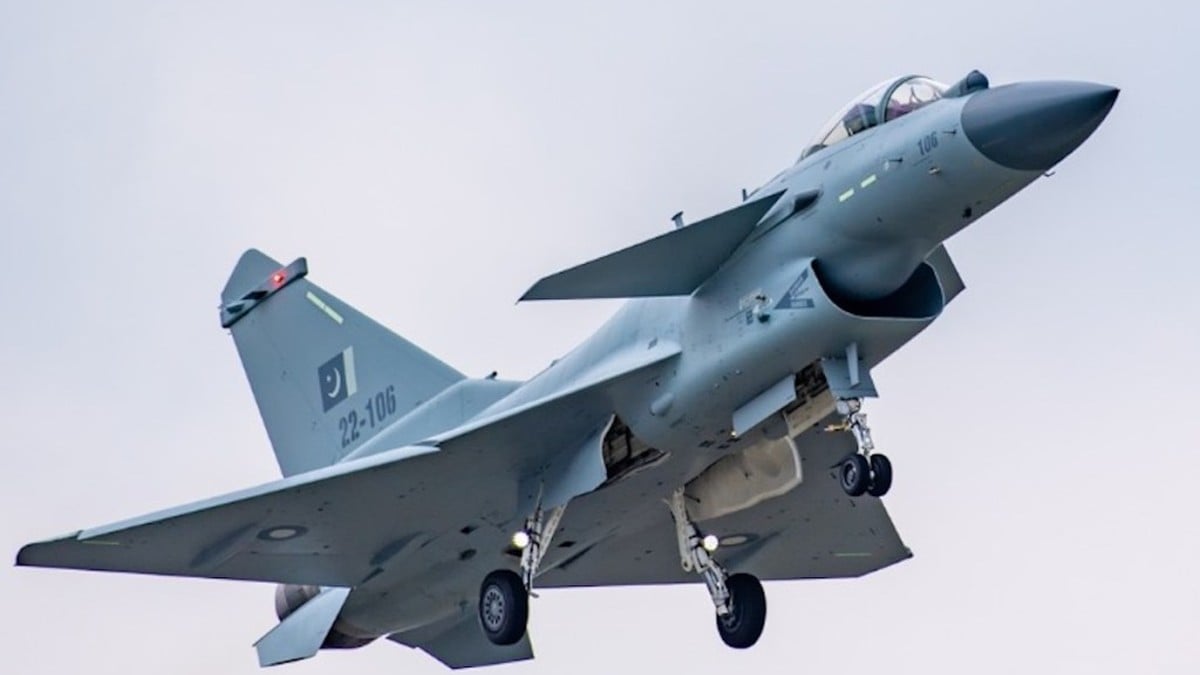
- What happenedBangladesh is moving to acquire 20-24 Chinese J-10CE fighter jets in a package that also includes attack helicopters and unmanned systems, deepening the country's reliance on Chinese weapons and support networks while complicating Indian defense planning around the narrow Siliguri Corridor.
- Key facts & numbersBangladesh is preparing to buy 20-24 Chinese J-10CE fighters at a base cost of $62.7 million per jet, rising to roughly $115 million once training, logistics and infrastructure are included; a draft proposal has been sent to its Finance Ministry and Armed Forces Division for final approval. The procurement package also covers attack helicopters, VIP transport helicopters and unmanned aerial systems, and would complement Bangladesh's planned China-Pakistan JF-17 Thunder Block III buys, creating a high-low mix to replace aging F-7s and MiG-29s. Pakistan is the sole confirmed foreign operator of the export-type J-10CE, and its claimed May 2025 shoot-downs of Indian fighters including Rafales — claims still disputed — helped draw Bangladesh toward the type, though those results reportedly depended on the wider Chinese-origin ecosystem of ground-based air defenses and AEW&C aircraft.
- What happens nextThe hidden catch: even if the J-10CE sales pitch holds, Bangladesh buying the jet alone won't reproduce Pakistan's May 2025 results — that came from the full Chinese kill chain. Myanmar's JF-17s are already cracking.
- Bangladesh is preparing to buy 20-24 Chinese J-10CE fighters at a base cost of $62.7 million per jet, rising to roughly $115 million once training, logistics and infrastructure are included; a draft proposal has been sent to its Finance Ministry and Armed Forces Division for final approval.
- The procurement package also covers attack helicopters, VIP transport helicopters and unmanned aerial systems, and would complement Bangladesh's planned China-Pakistan JF-17 Thunder Block III buys, creating a high-low mix to replace aging F-7s and MiG-29s.
- Pakistan is the sole confirmed foreign operator of the export-type J-10CE, and its claimed May 2025 shoot-downs of Indian fighters including Rafales — claims still disputed — helped draw Bangladesh toward the type, though those results reportedly depended on the wider Chinese-origin ecosystem of ground-based air defenses and AEW&C aircraft.
- Myanmar's JF-17s illustrate the risks of that ecosystem: structural damage during high-G maneuvers, KLJ-7 Al radar maintenance and accuracy problems, weapon-management computer malfunctions, and spare-parts shortages driven by Western sanctions on Myanmar's Western-supplied avionics.
Why It Matters
The deal gives Bangladesh a credible counterweight to perceived Indian pressure on its northern frontier — useful leverage after the August 2024 ouster of India-aligned PM Sheikh Hasina — but locks Dhaka into a Chinese support ecosystem whose full combat value (per the May 2025 India-Pakistan clashes) comes only when the jets operate alongside Chinese GBAD and AEW&C, and whose failure modes Myanmar's JF-17 fleet is already exposing. India, for its part, must now plan around Chinese-capable aircraft within striking distance of its narrowest strategic vulnerability.
Sources Cited
Related Coverage
Ask SkimNews
The day’s news in one short email, every morning.
Free. One email a day. Unsubscribe in one click.