Indonesia's Chinese Fighter Bid Tests ASEAN Trust
The 30-Second Skim7 points
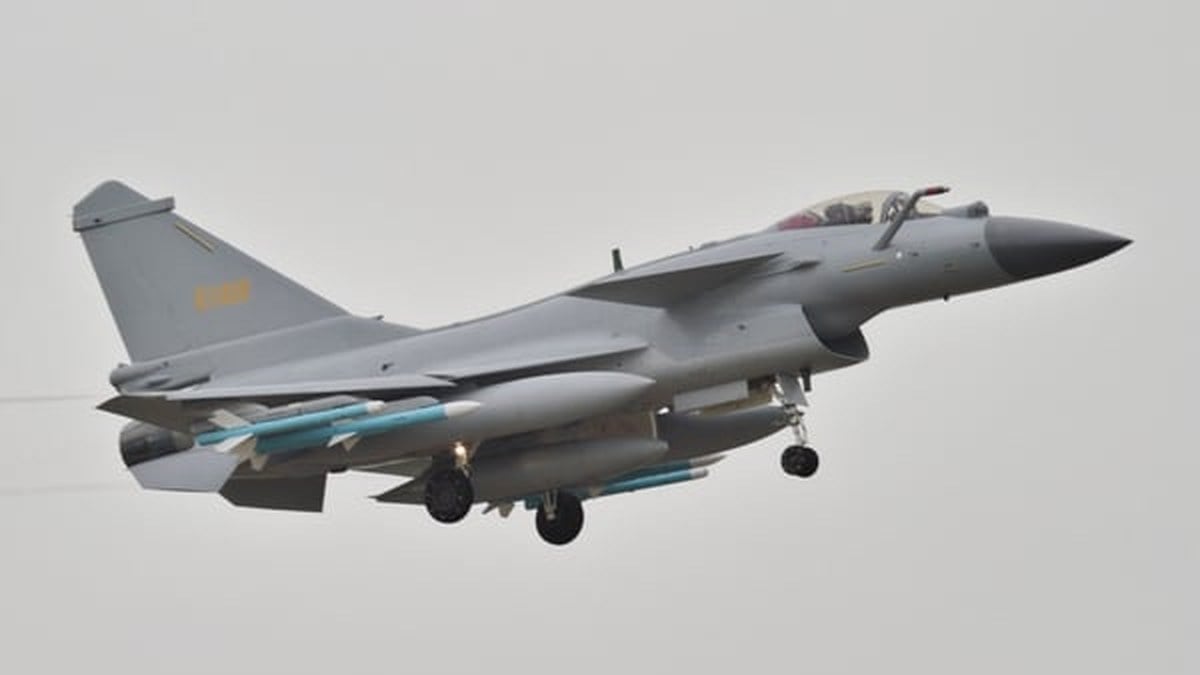
- What happenedIndonesia is pursuing Chinese J-10C and Pakistan-China JF-17 fighters alongside French Rafales and Turkish KAAN jets, testing whether its bebas aktif hedging strategy can sustain a coherent air force and regional trust.
- Key facts & numbersIndonesia announced plans in October 2025 to acquire at least 42 Chinese-made J-10C fighters and was reported in advanced talks with Pakistan for 40+ JF-17 jets, a Pakistan-China joint platform. Jakarta's proposed F-15EX program with Boeing has fallen away, while the country continues receiving French Rafales and has agreed to acquire Turkish KAAN fighters over the longer term. Indonesia joined BRICS in 2025, participated in U.S.-led Talisman Sabre and Super Garuda Shield exercises, and is joining Australia's Pitch Black 2026 alongside the U.S., Japan, France, the Philippines, and South Korea.
- What happens nextThe real worry here isn't China per se—it's that Indonesia is buying from China, France, Turkey, and the US simultaneously. A diplomatic guest list doesn't fly.
- Indonesia announced plans in October 2025 to acquire at least 42 Chinese-made J-10C fighters and was reported in advanced talks with Pakistan for 40+ JF-17 jets, a Pakistan-China joint platform.
- Jakarta's proposed F-15EX program with Boeing has fallen away, while the country continues receiving French Rafales and has agreed to acquire Turkish KAAN fighters over the longer term.
- Indonesia joined BRICS in 2025, participated in U.S.-led Talisman Sabre and Super Garuda Shield exercises, and is joining Australia's Pitch Black 2026 alongside the U.S., Japan, France, the Philippines, and South Korea.
- In April 2025, China launched a new "2+2" foreign and defense ministerial dialogue with Indonesia—a mechanism Beijing described as the first such format it has created with any nation.
Why It Matters
An Indonesian air force stocked with fighters from six suppliers—American, French, Russian, Korean, Chinese, and Turkish—would dilute economies of scale, force Jakarta to compartmentalize classified Western systems from Chinese platforms, and leave ASEAN partners uncertain whether Indonesia would back them in a South China Sea crisis.
Sources Cited
Related Coverage
Ask SkimNews
The day’s news in one short email, every morning.
Free. One email a day. Unsubscribe in one click.