China Fires Ballistic Missile From Submarine Into Pacific
The 30-Second Skim7 points
- What happenedChina's navy test-launched a long-range ballistic missile from a nuclear-powered submarine into the Pacific — only its second such test in years — drawing protests from New Zealand, Australia, Japan and the Solomon Islands over insufficient notice and alleged treaty violations.
- Key facts & numbersChina's navy test-launched a long-range ballistic missile from a nuclear-powered submarine into the Pacific Ocean on Monday, carrying a dummy warhead rather than a nuclear one, and announced the launch publicly only after firing it, calling it "routine annual training." The state-owned Global Times said the missile was "most likely" a JL-3 with a range exceeding 10,000 kilometers, though experts noted available imagery wasn't clear enough to distinguish it from the shorter-range JL-2. New Zealand said the launch violated the 1986 Treaty of Rarotonga's South Pacific Nuclear Free Zone — a protocol China ratified in 1987 pledging not to test nuclear weapons in the zone — while Australian Prime Minister Anthony Albanese called it a "provocative act" that "destabilize[s] the region."
- What happens nextChina told the Pacific about the ICBM only AFTER it was already in the water — then called it 'routine training.' Even Solomon Islands, a Beijing ally, told them: 'Be our friend, but don't threaten us.'
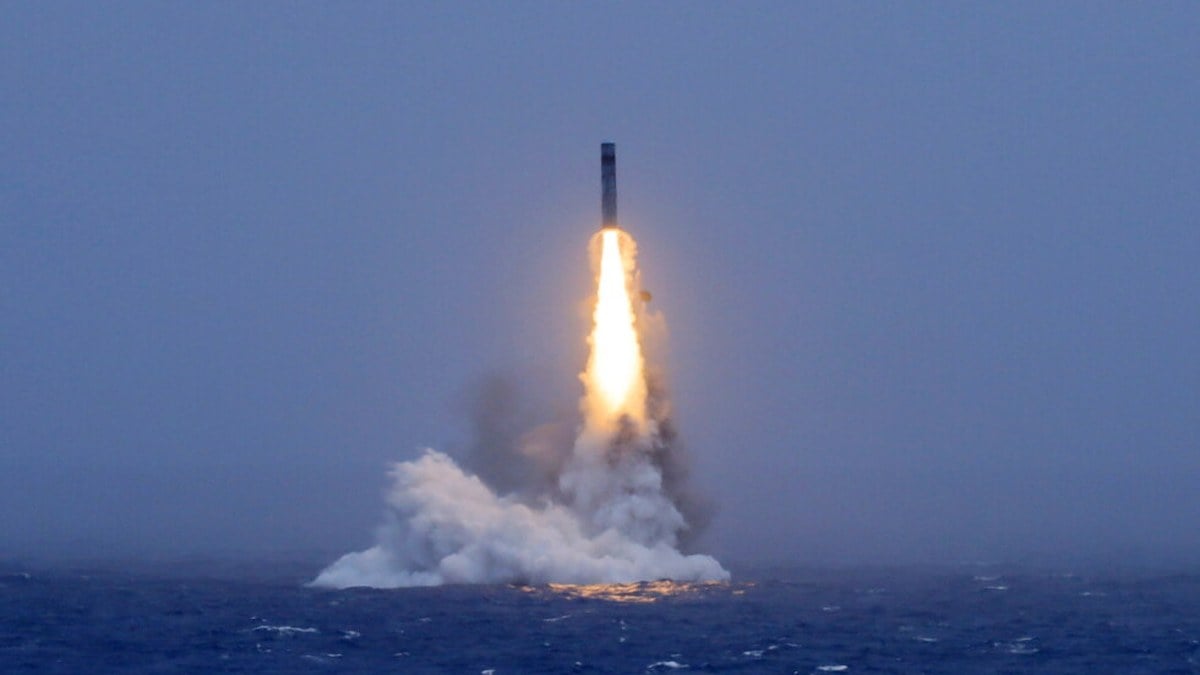
- China's navy test-launched a long-range ballistic missile from a nuclear-powered submarine into the Pacific Ocean on Monday, carrying a dummy warhead rather than a nuclear one, and announced the launch publicly only after firing it, calling it "routine annual training."
- The state-owned Global Times said the missile was "most likely" a JL-3 with a range exceeding 10,000 kilometers, though experts noted available imagery wasn't clear enough to distinguish it from the shorter-range JL-2.
- New Zealand said the launch violated the 1986 Treaty of Rarotonga's South Pacific Nuclear Free Zone — a protocol China ratified in 1987 pledging not to test nuclear weapons in the zone — while Australian Prime Minister Anthony Albanese called it a "provocative act" that "destabilize[s] the region."
- Solomon Islands Prime Minister Matthew Wale broke with his country's China-friendly posture, telling reporters in Honiara: "Be our friend, but don't threaten us … this is not something a friend does."
Why It Matters
Australia's PM called the launch a "provocative act" that "destabilize[s] the region" — and the test lands as China funnels an estimated $270-313 billion annually into the world's largest army and navy. Neighbors are responding in kind: Japan is doubling its defense cap to 2% of GDP, the Philippines just gave the U.S. four more base sites, and New Zealand invoked a 1986 treaty breach — all unfolding against China's stated refusal to rule out force over Taiwan.
Sources Cited
Related Coverage
Ask SkimNews
The day’s news in one short email, every morning.
Free. One email a day. Unsubscribe in one click.