China is building launch pads near its nuclear missile silos
The 30-Second Skim7 points
- What happenedChina is rapidly constructing a desert network of over 80 launch pads, bunkers and communications nodes to protect its nuclear silos, dramatically boosting its second‑strike capability. The move arrives as the United States, preoccupied with Middle East ceasefire talks and tight energy supplies, watches Beijing’s escalating military posture amid rising tensions with Japan over Taiwan Strait navigation. This expansion reshapes the strategic balance, forcing US planners to reassess deterrence calculations.
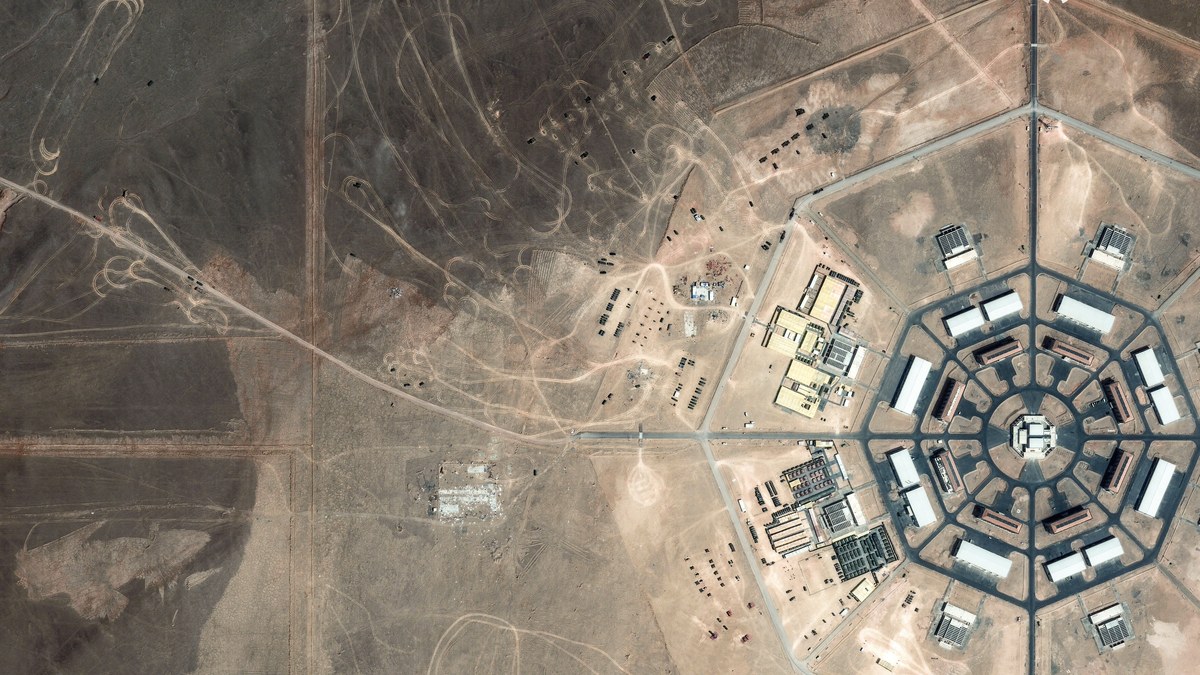
- Key facts & numbersChina is building a vast network of launch pads, bunkers and communications nodes near its isolated nuclear silos in the Xinjiang and Gansu desert, according to Reuters‑reviewed satellite images. 80+ launch pads have been identified, intended for mobile missile launchers, air‑defense batteries and supporting facilities such as electronic warfare and satellite communications. Alexander Neill, adjunct fellow at the Pacific Forum, says the scale—covering thousands of square kilometers—represents a considerable enhancement and diversification of China's strategic nuclear deterrent.
- What happens nextChina's desert is turning into a missile‑pad fortress, a bold move that will make any US nuclear response trickier.
- China is building a vast network of launch pads, bunkers and communications nodes near its isolated nuclear silos in the Xinjiang and Gansu desert, according to Reuters‑reviewed satellite images.
- 80+ launch pads have been identified, intended for mobile missile launchers, air‑defense batteries and supporting facilities such as electronic warfare and satellite communications.
- Alexander Neill, adjunct fellow at the Pacific Forum, says the scale—covering thousands of square kilometers—represents a considerable enhancement and diversification of China's strategic nuclear deterrent.
- Analysts note the expansion bolsters China's second‑strike capability and reflects intensifying nuclear competition with the United States amid rising tensions over Taiwan.
Why It Matters
The construction of over 80 pads and supporting bunkers across thousands of square kilometers gives Beijing a more survivable nuclear force, forcing U.S. planners to reassess deterrence postures and allocate additional defense resources.
Sources Cited
Related Coverage
Ask SkimNews
The day’s news in one short email, every morning.
Free. One email a day. Unsubscribe in one click.