China Launches Submarine Missile in Pacific Test
The 30-Second Skim
- What happened: China conducted a successful submarine-launched missile test in the Pacific on July 6, demonstrating a strategic second-strike capability with implications for U.S. deterrence calculations and regional security dynamics.
- Key facts & numbers: China successfully launched a submarine-launched strategic missile carrying a 'training simulation warhead' into the South Pacific on July 6, with the missile accurately landing in designated waters. Chinese Foreign Ministry spokesperson Mao Ning stated the launch was part of 'routine annual military training,' consistent with international law and 'not directed at any particular country or target.' The PLA Navy likely used a Type 094 nuclear-powered submarine to launch either a JL-2 or JL-3 submarine-launched ballistic missile, with flight distance exceeding 7,000 kilometers and possible strike range covering the continental U.S.
- What happens next: China didn’t just test a missile—it signaled that its nukes can now hit the U.S. from the South China Sea, and Washington can’t ignore the sub threat anymore.
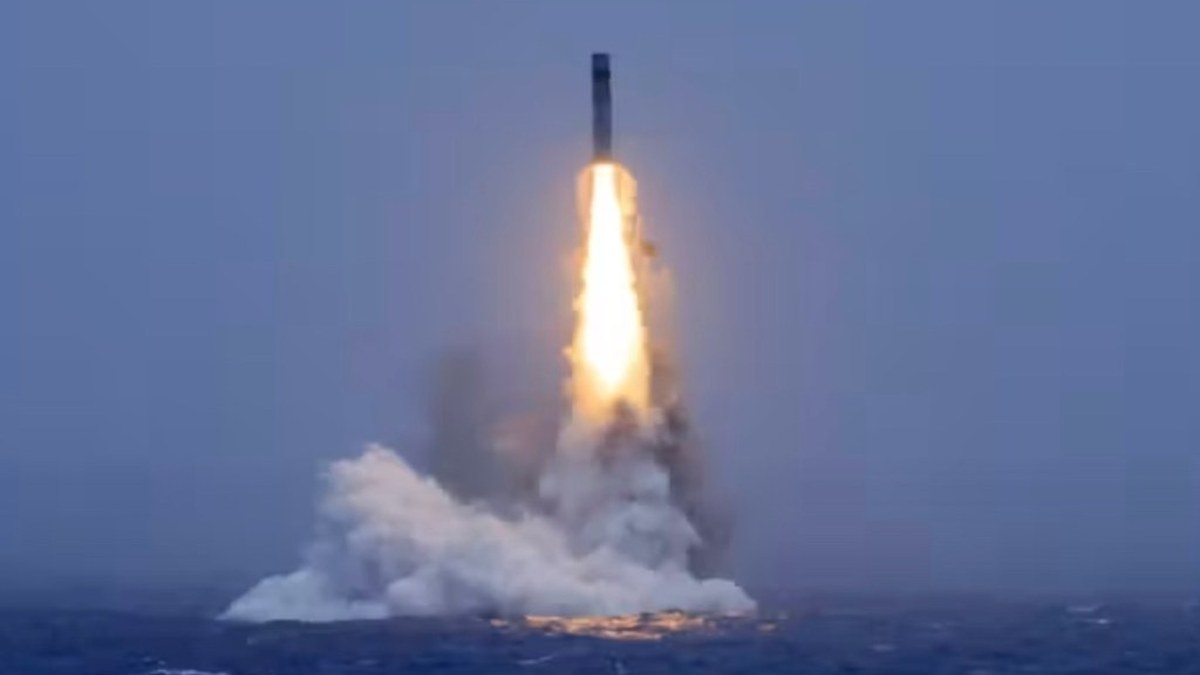
- China successfully launched a submarine-launched strategic missile carrying a 'training simulation warhead' into the South Pacific on July 6, with the missile accurately landing in designated waters.
- Chinese Foreign Ministry spokesperson Mao Ning stated the launch was part of 'routine annual military training,' consistent with international law and 'not directed at any particular country or target.'
- The PLA Navy likely used a Type 094 nuclear-powered submarine to launch either a JL-2 or JL-3 submarine-launched ballistic missile, with flight distance exceeding 7,000 kilometers and possible strike range covering the continental U.S.
- The JL-3 missile, believed to have a range over 10,000 kilometers and equipped with multiple independently targetable reentry vehicles, could allow China to strike the U.S. homeland from the South China Sea, enhancing its sea-based nuclear deterrence.
Why It Matters
China’s demonstrated sea-based nuclear capability forces the U.S. to recalibrate its deterrence posture, as submarines armed with JL-2 or JL-3 missiles can now credibly threaten the mainland from nearby waters. This shifts strategic focus from land-based systems to undersea surveillance, increasing pressure on U.S. allies like Japan and the Philippines to enhance anti-submarine coordination in the Pacific.
Sources Cited
Related Coverage
Ask SkimNews